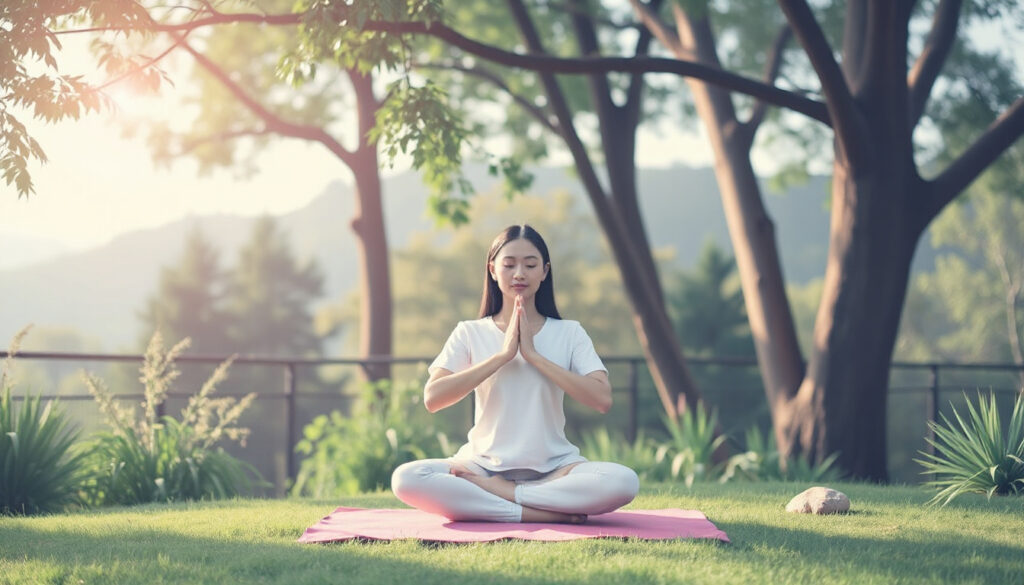

Breath counting meditation is a simple yet powerful practice that cultivates mindfulness, sharpens concentration, and fosters inner peace. Rooted in ancient Buddhist traditions, this technique guides the meditator to anchor their attention on the natural rhythm of the breath by counting breaths. Whether you are a beginner or an experienced meditator, breath counting can serve as an effective gateway to greater mental clarity and emotional balance. This guide synthesizes insights from traditional Buddhist teachings and modern mindfulness approaches to help you master breath counting meditation.
Understanding Breath Counting Meditation
Breath counting meditation involves mentally counting each breath cycle—often the exhalation—with the goal of training the mind to remain focused and present. It is an accessible method to develop the concentration necessary for deeper meditation and to tame the constant chatter of the mind.
Originating in Buddhist practices such as Anapanasati (mindfulness of breathing), breath counting was historically classified into various counting methods by Buddhist scholars like Asanga and Buddhaghosa. These include counting on inhalations and exhalations alternately or counting cycles of both together.
In Zen Buddhism, this technique is known as sūsoku-kan ("number breath viewing") and remains a foundational exercise to cultivate mindfulness before engaging with more advanced meditative practices such as koans.
Why Practice Breath Counting Meditation?
Breath counting meditation offers numerous benefits:
- Enhances concentration: By repeatedly returning the focus to counting breaths, the practitioner strengthens the mind’s ability to resist distraction.
- Calms the nervous system: Conscious regulation of the breath helps shift the mind from agitation to tranquility.
- Develops emotional regulation: Controlled breathing can alleviate anxiety, fear, and depression by influencing emotional states.
- Facilitates mindfulness: Focusing on breath counting anchors awareness in the present moment, reducing rumination and mental wandering.
- Builds mental resilience: The discipline of restarting the count upon distraction fosters patience and self-kindness.
Preparing for Breath Counting Meditation
Before beginning, it’s essential to establish a comfortable and stable posture. Here is a recommended set-up aligned with traditional and contemporary guidance:
- Sit upright: Choose a stable chair or cushion. Sit with a straight spine, avoiding slouching or leaning back.
- Feet position: Place your feet flat on the ground, hip- or shoulder-width apart.
- Hand placement: Rest your hands in your lap, one palm on top of the other, with thumbs lightly touching—forming a gentle arc.
- Head and gaze: Slightly tuck in your chin and maintain a soft gaze ahead, not focusing intently on any object.
- Tongue position: Lightly place the tip of the tongue against the roof of the mouth just behind the front teeth, which helps maintain alertness.
- Breathing mode: Use abdominal (diaphragmatic) breathing by inhaling slowly through the nose, expanding the belly gently, pausing briefly, then exhaling slowly while contracting the belly.
This preparation primes the body and mind, establishing the optimal conditions for effective breath counting.
Step-by-Step Practice of Breath Counting Meditation

A Simple Technique People Use Before Bed
A short routine designed to help your body relax and unwind naturally.
- ✔ Easy to learn and takes only a few minutes
- ✔ No equipment or supplements required
- ✔ Popular among people struggling to relax at night
Step 1: Focus on the Breath
Begin by tuning into your natural breathing rhythm without altering it. Notice the sensations of the breath entering and leaving your nostrils or the rise and fall of your abdomen.
Step 2: Engage Abdominal Breathing
Shift to slow, abdominal breathing. Inhale gently for about 3 seconds, pause for 3 seconds, and exhale more slowly for roughly 4 seconds. This regulated breathing calms your nervous system and steadies the mind.
Step 3: Start Counting at the End of Each Exhale
At the end of your first exhalation, silently count “one.” With each subsequent exhale, count “two,” “three,” and so on until you reach “ten.”
Step 4: Count Backwards
After reaching “ten,” reverse the count backward—“nine,” “eight,” down to “one”—and then start from one again.
Step 5: Restart When Distracted
If your mind wanders or you lose track of the count, gently acknowledge the distraction without judgment and restart the count at “one.” This restarting is the core of the practice, training patience and mental discipline.
Step 6: Gradually Extend the Count
With practice, increase your counting range from ten breaths to twenty, thirty, or more. Some seasoned meditators challenge themselves to count to one hundred and back without error, heralding strong mental focus.

Tips for Successful Breath Counting Meditation
- Be patient and gentle with yourself: Mind-wandering is natural. Each return to the breath is a success, not a failure.
- Consistency matters: Even a few minutes daily can yield noticeable improvements in attention and emotional regulation.
- Use breath counting as a foundation: It can prepare you for other types of mindfulness or concentration meditation.
- Adapt as needed: Beginners may find counting to four more manageable; others may experiment with reversing the sequence or skipping numbers.
Common Variations of Breath Counting
Breath counting techniques can vary to suit individual preferences or traditions:
- Ekaika-ganana: Counting each inhalation and exhalation consecutively (inhale = 1, exhale = 2, inhale = 3, etc.)
- Dvayaika-ganana: Counting one for each full breath cycle (inhale + exhale).
- Anuloma-ganana: Counting from one to ten repeatedly.
- Pratiloma-ganana: Counting backwards from ten to one.
Choose the style that resonates with you, ensuring it helps maintain focus and calm.
The Deeper Impact: Beyond Focus to Inner Peace
While breath counting begins as a concentration aid, sustained practice nurtures profound mindfulness—an open, nonjudgmental presence to whatever arises in the moment. The practice fosters a tranquil state where mental clutter quiets, emotional turbulence subsides, and a sense of inner peace emerges.
Breath counting meditation, simple as it is, serves as a powerful tool for mental training, emotional healing, and spiritual growth. By integrating this practice into your daily routine, you cultivate not only steadier attention but a compassionate, peaceful relationship with your own mind.
Conclusion
Mastering breath counting meditation involves humble commitment to returning again and again to the rhythm of your breath and the numbers you assign it. This practice builds mental strength, deepens mindfulness, and guides you toward greater calm and clarity. Whether for just a few minutes or extended sessions, incorporating breath counting into your meditation routine offers a direct path to cultivating mindfulness and inner peace.
Begin today with patience and openness—your breath is always with you, waiting to anchor you in the present moment.
References to centuries-old Buddhist meditative traditions and contemporary mindfulness methods underscore the enduring value of breath counting meditation as a practice of self-mastery and healing.


