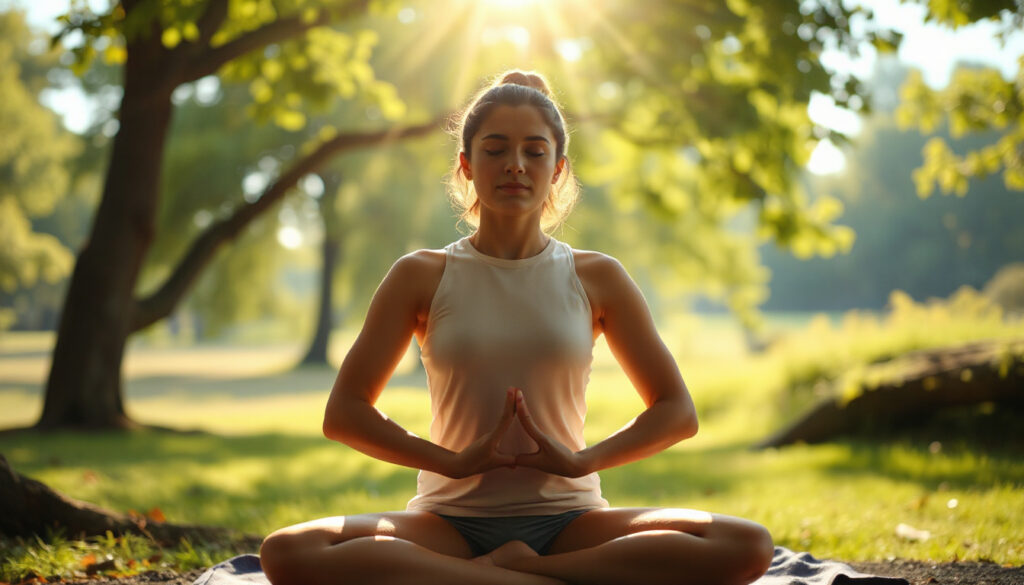

In today’s fast-paced world, achieving calmness and focus can often feel elusive. Yet, an ancient yogic breathing technique known as Ujjayi breath offers a pathway to inner tranquility and enhanced mindfulness. Recognized as the "victorious breath," Ujjayi breath is a powerful tool for meditation, yoga practice, stress management, and overall well-being. This article explores what Ujjayi breath is, how to practice it, and the remarkable benefits it offers.
What Is Ujjayi Breath?
Ujjayi (Sanskrit: उज्जायी), translating to "victorious" or "conquering breath," is a form of pranayama, or breath control, used extensively in yoga and meditation traditions. It involves a gentle constriction of the throat (specifically the glottis), which creates a soft, audible sound reminiscent of ocean waves or a whispering hiss as air flows in and out through the nostrils. This distinctive sound not only anchors attention but also helps synchronize breath with movement—especially in dynamic yoga forms like Ashtanga or Vinyasa.
Uniquely versatile, Ujjayi breath can be practiced both during seated meditation and active asana sequences. It enhances breath awareness, deepens concentration, and fosters a meditative state even amidst physical exertion.
How to Practice Ujjayi Breath: Step-by-Step Guide
-
Find a Comfortable Posture: Begin seated with a straight spine—in comfortable positions like Siddhasana or Sukhasana—or start your yoga practice standing or moving.
-
Close Your Mouth: Ensure the mouth remains closed throughout the practice. Breathing occurs solely through the nose.
-
Constrict the Throat: Slightly contract the back of the throat, similar to the tone used in a whisper or the gentle "snoring" sound. This isn’t a harsh constriction; it should feel natural and relaxed.
-
Inhale and Exhale Deeply: Draw air deeply into the lungs, expanding the chest and belly fully, then exhale smoothly and evenly. Aim for inhalations and exhalations of equal length.
-
Listen to the Sound: Focus on the ocean-like sound generated. This auditory cue aids mindfulness, keeps wandering thoughts at bay, and anchors your attention.
-
Maintain Relaxation: Keep the breath flowing without tension in the throat muscles. Any strain detracts from the calming effect.
Starting out, Ujjayi breathing might feel unusual or constricted, but with consistent practice, it becomes effortless and deeply soothing.

The Science and Benefits of Ujjayi Breath
Modern research, aligned with ancient yogic wisdom, has unveiled a variety of physiological and psychological benefits of Ujjayi breathing:
-
Stress Reduction and Anxiety Relief: Controlled and rhythmic Ujjayi breath activates the parasympathetic nervous system triggering relaxation responses. It calms the mind by slowing breath rate and reducing tension.
-
Improved Focus and Concentration: The audible breath helps practitioners maintain present-moment awareness, which enhances meditation and mindfulness.
-
Enhanced Yoga Practice: By creating internal heat and supporting a steady breath rhythm, Ujjayi breath improves endurance, stability, and depth in asana practice. It allows smoother transitions and fosters a meditative flow.
-
Better Respiratory Efficiency: The partial throat constriction requires full lung capacity expansion, thus improving oxygen exchange and lung function, which can support aerobic exercises like running and cycling.
-
Supports Health Conditions: Studies indicate potential benefits for mental health issues such as depression, management of hypothyroidism markers, improved sleep quality in cancer patients undergoing chemotherapy, and cardiovascular regulation, including blood pressure stabilization.
-
Detoxification and Organ Massage: Deep diaphragmatic breathing massages internal organs gently, promoting detoxification and energy flow.
-
Improved Sleep: The calming influence of Ujjayi breath facilitates falling asleep more easily. Even a few cycles before bedtime can enhance relaxation and reduce snoring.
Ujjayi Breath in Traditional and Modern Yoga

A Simple Technique People Use Before Bed
A short routine designed to help your body relax and unwind naturally.
- ✔ Easy to learn and takes only a few minutes
- ✔ No equipment or supplements required
- ✔ Popular among people struggling to relax at night
Historically, Ujjayi breath is a cornerstone of Ashtanga Vinyasa Yoga, popularized by Pattabhi Jois, as well as Iyengar Yoga. In Ashtanga, it links dynamic movements and breath, creating a flowing, dance-like sequence with inward focus. In Iyengar Yoga, Ujjayi pranayama may be practiced seated with breath retention (kumbhaka), promoting lung capacity and mental calm.
The sound serves as an anchor, allowing yogis to move meditative focus inward through pratyahara, or sense withdrawal, deepening spiritual experience during the practice.
Practical Tips for Integrating Ujjayi Breath
-
Start Small: Practice for a few minutes each day to develop comfort with the technique.
-
Use in Daily Life: Shift to Ujjayi breathing in stressful situations or when needing mental clarity.
-
Apply in Exercise: Try incorporating it into aerobic workouts to enhance breath control and reduce anxiety.
-
Before Sleep: Lie down, take ten long Ujjayi breaths to ease into a restful night.
-
Avoid Strain: Always keep the throat relaxed, and if you experience discomfort, reduce constriction.
Conclusion: Embrace the Victorious Breath
Ujjayi breath is more than a breathing exercise—it is a profound gateway to serenity, mindfulness, and inner strength. Whether you seek to deepen your yoga practice, calm a busy mind, or improve your health, learning this time-honored technique invites a victorious sense of calm and presence into your life.
By tuning into the rhythm of your breath with gentle intention and awareness, Ujjayi breath empowers you to conquer distractions, invite stillness, and unlock a sanctuary of peaceful resilience within.
References:
- Healthline, “Ujjayi Breathing: What It Is, How to Do It, Benefits, and More.”
- Wikipedia, “Ujjayi.”
- The Art of Living, “Ujjayi Breathing for Yoga, Meditation, and Better Sleep.”
Always consult with a healthcare professional before starting any new breathing or exercise regimen, especially if you have existing health conditions.


