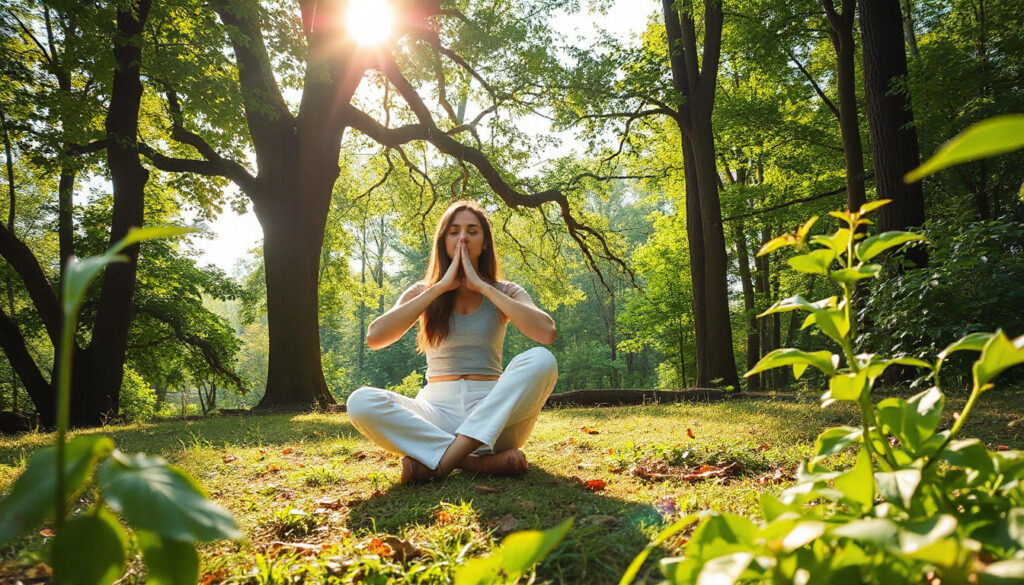

In today’s fast-paced world, stress and distractions abound, making it challenging to find moments of calm and clarity. Breath awareness meditation offers a profoundly simple yet powerful practice to unlock inner peace, cultivate mindfulness, and improve overall well-being. This comprehensive guide delves into the principles, benefits, and step-by-step methods of breath awareness meditation to help you embark on this transformative journey.
What is Breath Awareness Meditation?
Breath awareness meditation is a foundational meditation technique that involves focusing your attention on the natural rhythm and sensations of breathing. By observing the breath as it flows in and out, you anchor your mind to the present moment, fostering a state of calm and clear awareness.
Unlike practices that attempt to control breathing, breath awareness invites you to gently notice your breath as it is — whether short or deep, slow or fast — and allow thoughts and sensations to come and go without judgment. This practice serves as the gateway to mindfulness, where you learn to embrace life’s experiences with acceptance rather than resistance.
Why Practice Breath Awareness Meditation?
Stress Reduction and Health Benefits
Chronic psychological stress takes a toll on both physical and mental health. Scientific research, including insights from Harvard Health Publishing, shows that unmanaged stress can exacerbate heart disease, weaken memory, increase pain, and contribute to other health complications. Conversely, reducing stress through mindful breathing promotes better sleep, helps manage blood pressure, and enhances overall resilience.
Breath awareness meditation is particularly effective because it is accessible to beginners and requires no special equipment. Just a few minutes of focused breathing can induce immediate relaxation and set the stage for lasting health benefits.
Cultivating Mindfulness and Emotional Balance
Mindfulness, the practice of intentionally focusing on the present moment without judgment, naturally unfolds through breath meditation. As Dr. Ronald D. Siegel, a clinical psychologist at Harvard Medical School, notes, mindfulness helps us develop a healthy relationship with life’s inevitable challenges. By learning to observe rather than fight our thoughts and feelings, we reduce stress and cultivate greater emotional balance.
Preparing for Breath Awareness Meditation
Creating a conducive environment and posture sets the foundation for effective practice.
Choose a Comfortable Position
You may sit upright on a chair, floor cushion, or meditation bench, ensuring your spine remains erect but not stiff. Alternatively, standing or walking meditations are options, but sitting is generally preferred for beginners.
Minimize Distractions
Find a quiet place where you are unlikely to be disturbed. Soft lighting and a comfortable temperature can enhance relaxation.
Align Your Body
Feet should be flat on the floor if sitting in a chair, or legs crossed comfortably if on the floor. Rest your hands gently on your lap or knees. Allow the chin to tilt slightly downward to keep the airways open and facilitate natural breathing.
Step-by-Step Breath Awareness Meditation Technique

A Simple Technique People Use Before Bed
A short routine designed to help your body relax and unwind naturally.
- ✔ Easy to learn and takes only a few minutes
- ✔ No equipment or supplements required
- ✔ Popular among people struggling to relax at night
-
Settle and Ground: Begin by bringing your attention to the physical sensations of your body’s contact with the chair or floor. Feel the support beneath you and the weight of your body grounding you.
-
Focus on Your Natural Breath: Without attempting to change your breathing, gently notice the coolness of the air as you inhale through your nose and the warmth as you exhale. Observe the flow and rhythm as it is.
-
Follow Your Breath Cycles: Track each full breath cycle — from the beginning of an inhalation through to the end of the exhalation. You may silently count breaths to help focus: “In (one), out (two), in (three), out (four),” and so forth.
-
Observe the Breath’s Movement: Notice subtle movements, such as the gentle rise and fall of your abdomen or the sensations at the nostrils and chest.

-
Allow Thoughts to Come and Go: It is natural for thoughts, sensations, or feelings to arise. Rather than engage with them or become frustrated, acknowledge their presence and gently redirect your attention back to your breath.
-
Softening and Ease: If you notice tension—for example, in your belly or elsewhere—see if you can soften those areas as you breathe, promoting ease and relaxation.
-
Practice Regularly: Start with 10 minutes twice daily, gradually increasing to 20 or 30 minutes if you wish. Consistency, ideally practicing at the same times daily, helps establish a nourishing habit.
Tips for Deepening Your Practice
-
Use Guided Meditations: Beginners can benefit from guided breath awareness sessions available through meditation apps, online videos, or audio recordings.
-
Incorporate ‘Soft Belly’ Awareness: Paying attention to the gentle movement of the abdomen can deepen body connection and invite relaxation.
-
Be Patient and Kind: Meditation is a skill that develops over time. Avoid judging your practice or mind’s restlessness; instead, cultivate gentle curiosity and acceptance.
-
Expand Mindfulness to Daily Life: Use breath awareness spontaneously during stressful moments or transitions to recenter and calm your mind.
Breath Awareness Meditation – A Path to Stillness
Imagine a tranquil pond on a still afternoon. The surface reflects clouds and birds effortlessly. Thoughts and feelings are like ripples that arise and dissolve on the water’s surface. Breath awareness meditation trains you to become the observer of these ripples—the movement of sensations and emotions—without being swept away.
Through regular practice, the mind and body harmonize. You discover the still point of ease and calm that underlies all change, empowering you to face life’s challenges with grace and resilience.
Conclusion
Breath awareness meditation offers an accessible, effective, and time-tested way to unlock inner peace, reduce stress, and cultivate mindfulness. With simple yet profound steps, you can learn to engage with your breath as a portal to present-moment awareness and emotional balance. Whether you seek relaxation or deeper life insight, this practice opens the door to a healthier, calmer, and more mindful existence.
Begin today by taking a few mindful breaths—your journey to inner peace awaits.


