
Staying hydrated is essential for maintaining good health, supporting physical performance, and boosting your energy levels. Water plays a critical role in nearly every bodily function—from regulating temperature to facilitating digestion and cognitive processes. This comprehensive guide explores why hydration matters, how much water you should drink, signs of dehydration, and practical tips to help you stay hydrated throughout the day.
Why Is Staying Hydrated So Important?
Water accounts for approximately 50% to 65% of body weight and is present in every cell, tissue, and organ. Meeting your hydration needs helps your body:
- Produce body fluids such as saliva, sweat, tears, and urine
- Support brain function, including thinking, mood, and energy levels
- Remove waste products via urine and bowel movements
- Regulate body temperature through sweating
- Fuel metabolism and support digestion and nutrient absorption
- Maintain fluid balance inside and around cells and tissues
Adequate hydration also reduces the risk of kidney stones and urinary tract infections, and may alleviate headaches, migraines, and low blood pressure. Conversely, dehydration—even mild—can cause fatigue, difficulty concentrating, headaches, and may contribute to obesity and diabetes.
How Much Water Should You Drink Daily?
There is no one-size-fits-all answer to daily water intake. Individual needs depend on factors including age, body size, activity level, climate, and health conditions.
Most healthy adults are advised to consume about 11.5 cups (2.7 liters) to 15.5 cups (3.7 liters) of fluids daily from all sources—water, other beverages, and food. The familiar guideline of "eight 8-ounce glasses a day" (about 64 ounces or 2 liters) is a good starting point but may need adjustment based on your lifestyle.
Specific Considerations
- Physical Activity: If you exercise or sweat heavily, increase fluid intake before, during, and after workouts.
- Climate and Environment: Hot, humid weather or high altitudes increase fluid loss and hydration needs.
- Health Conditions: Illnesses causing fever, vomiting, or diarrhea, as well as urinary tract issues, may require higher fluid intake.
- Pregnancy and Breastfeeding: Fluid requirements increase to support maternal health and milk production.
Recognizing Dehydration: Signs and Symptoms
Dehydration can develop subtly, especially during physical activity or hot weather. Watch for these warning signs:
- Dark-colored urine or infrequent urination
- Dry mouth or skin
- Fatigue and dizziness
- Headache
- Muscle cramps
- Rapid heartbeat and irritability
- Confusion or unusual sleepiness in severe cases
If you experience vomiting, diarrhea, or fever, increase fluid intake immediately to prevent dehydration.
What Should You Drink?

A Simple Technique People Use Before Bed
A short routine designed to help your body relax and unwind naturally.
- ✔ Easy to learn and takes only a few minutes
- ✔ No equipment or supplements required
- ✔ Popular among people struggling to relax at night
Water is unquestionably the best choice to stay hydrated. It’s calorie-free, easily accessible, and effective.
Other fluids such as herbal teas, milk, and even coffee contribute to hydration, but be mindful of added sugars and caffeine, which can affect fluid balance. Sports drinks may help replenish electrolytes during intense exercise but often contain extra calories and sugars.
Additionally, about 20% of daily water intake comes from food, especially fruits and vegetables with high water content, including:
- Watermelon, strawberries, cantaloupe, peaches, and pineapples
- Cucumbers, leafy greens, tomatoes, zucchini, and celery
Practical Tips to Stay Hydrated
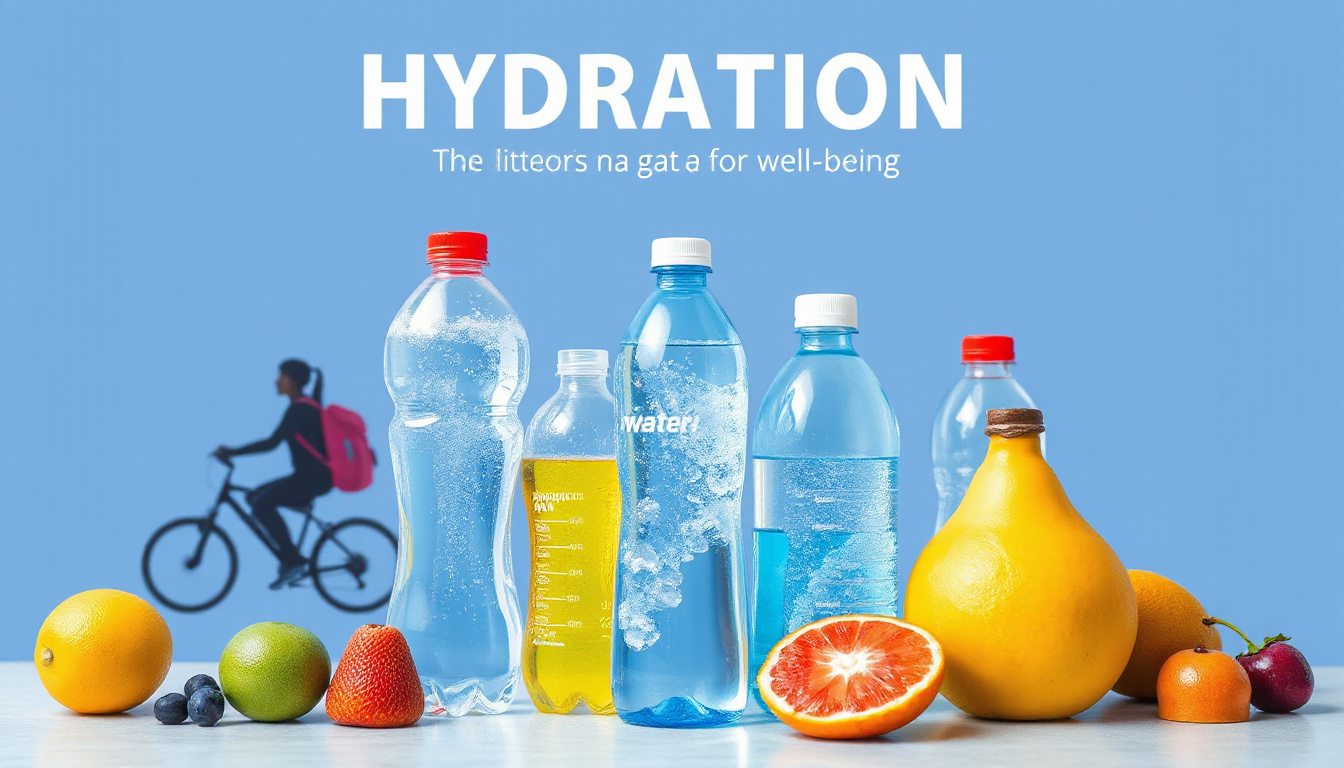
- Drink Before You’re Thirsty: Thirst signals that you’re already slightly dehydrated. Sip water steadily throughout the day.
- Use Reminders: Carry a reusable water bottle and set phone alarms to prompt regular hydration.
- Enhance Flavor: Add slices of lemon, cucumber, or a splash of fruit juice to water if plain water tastes bland.
- Eat Hydrating Foods: Incorporate water-rich fruits and vegetables into your meals.
- Modify Activity and Clothing: Avoid outdoor exertion during peak heat hours and wear loose, light-colored clothing to reduce sweating.
- Pay Attention to Vulnerable Groups: Children and older adults may not recognize thirst cues and need extra reminders to drink fluids.
- Replace Electrolytes When Needed: During vigorous exercise or illness, consider drinks containing electrolytes to aid recovery.
Avoiding Overhydration
While uncommon in healthy adults, drinking excessive water in a short time can lead to hyponatremia—a dangerous drop in blood sodium levels. It’s important to drink according to your body’s signals and needs rather than forcing large quantities.
Monitoring Your Hydration Status
A simple way to assess hydration is by observing urine color. Pale yellow or clear urine typically indicates good hydration, while dark urine suggests you need to drink more. Athletes can weigh themselves before and after workouts to estimate fluid loss and replenish accordingly—approximately a pint of water for each pound lost through sweat.
Hydration for Heart and Overall Health
Proper hydration supports cardiovascular function by easing the workload on the heart and promoting efficient muscle function. Staying hydrated also helps avoid heat-related illnesses such as heat exhaustion or heat stroke, which can be life-threatening.
In everyday life, maintaining hydration is key—not just during physical activity but also when exposed to heat, traveling, or managing chronic conditions.
Final Thoughts
Hydration is a foundational aspect of wellbeing. By understanding your body’s fluid needs and making hydration a daily habit, you can boost your energy levels, enhance physical and mental performance, and support overall health. Keep water within reach, adjust your intake for activity and environmental conditions, and listen to your body’s signals to stay optimally hydrated every day.