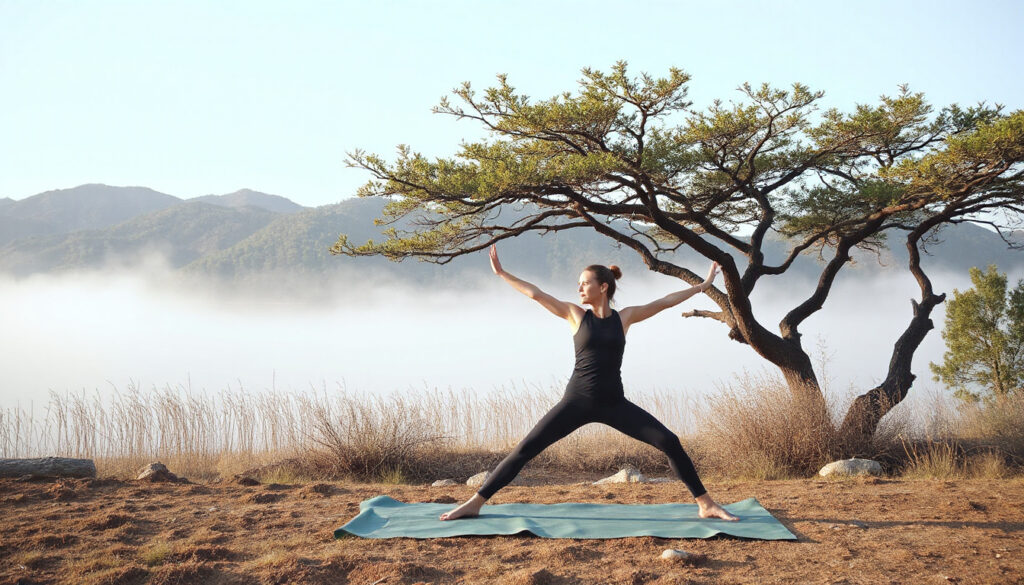

Breath is more than just the mechanism that sustains life; it is an intrinsic companion to every movement we make. Harmonizing breath with movement enables us to cultivate mindfulness, enhance physical efficiency, and deepen our connection to the present moment. This article explores the transformative practice of coordinating breath with movement — a skill rooted in ancient traditions and validated by modern science — and offers insights into techniques that unlock your body’s rhythm.
Understanding Breath-Connected Movement
Breathing consciously and aligning it with movement is a core concept in many holistic health disciplines, including yoga, physical therapy, and meditation. The process, often termed breath-connected movement, facilitates a fluid, natural coordination between the inhalation and exhalation phases of breathing and corresponding physical actions.
The Qualities of Inhalation and Exhalation
Each breath cycle consists of two phases that possess distinct energetic qualities:
- Inhalation: Nourishing, expansive, lengthening, and filling. It naturally complements movements that involve lifting, opening, or expanding.
- Exhalation: Cleansing, contracting, emptying, and grounding. It aligns harmoniously with movements that involve lowering, closing, engaging, or drawing inward.
Aligning movements with these inherent breath qualities encourages more efficient use of energy and deepens body awareness, resulting in less strain and more presence.
Types of Breath-Connected Movements
Drawing from teachings popularized by the Himalayan Institute, these fundamental movement patterns paired with breath illustrate how to cultivate flow and mindfulness:
-
Lifting and Lowering
- Inhale as you lift—arms overhead, torso upward stretch.
- Exhale as you lower—arms come down, body folds towards rest.
-
Opening and Closing
- Inhale as you open—spread arms wide, expand the chest.
- Exhale as you close—bring hands together, contract the core.
-
Releasing and Engaging
- Inhale to release—soften muscles, lengthen the spine.
- Exhale to engage—contract the pelvic floor or abdominal muscles.
-
Rotating and Lengthening
- Exhale into rotation—twists or turning movements.
- Inhale to lengthen—elongate the spine within the twist.
-
Drawing Inward and Expanding Outward
- Exhale to draw inward—activate the navel toward the spine.
- Inhale to expand—radiate from the core into spaciousness.
These archetypes provide a useful framework for synchronizing breath with physical motion and can be adapted across various exercise modalities.

The Science Behind Breath and Movement Coordination
From a physiological perspective, breathing deeply and utilizing the diaphragm efficiently supports the respiratory muscles and improves oxygen exchange, which in turn enhances physical performance and recovery.
-
Diaphragmatic Breathing: Often called belly breathing, it involves actively using the diaphragm muscle during inhalation, prompting the belly to rise while keeping the chest relatively still. This method improves lung capacity, lowers the workload on accessory muscles (neck, shoulders, chest), and promotes relaxation.
-
Benefits Integrated with Movement:
- Decreases oxygen demand by using lungs more efficiently.
- Reduces heart rate and blood pressure by activating the parasympathetic nervous system.
- Enhances coordination and balance via improved bodily awareness.
These physiological benefits make breath-aligned movement not only a mindfulness practice but also a valuable tool for those recovering from respiratory conditions such as asthma or COPD.
Practical Techniques to Integrate Breath with Movement

A Simple Technique People Use Before Bed
A short routine designed to help your body relax and unwind naturally.
- ✔ Easy to learn and takes only a few minutes
- ✔ No equipment or supplements required
- ✔ Popular among people struggling to relax at night
Here are some accessible exercises that unify breath and movement:
1. Diaphragmatic Breathing with Movement
- Start lying down: Place one hand on the chest, another on the belly.
- Inhale deeply through the nose: Feel the belly rise, hand on chest remains still.
- Exhale slowly through pursed lips: Belly falls, chest still.
- Add movement: Lift arms overhead on the inhale, lower them on the exhale, synchronizing breath with the lifting and lowering motions.
2. Pursed Lip Breathing with Gentle Movement
- Breathe in slowly through the nose.
- Exhale slowly and deliberately through pursed lips, lasting at least twice the duration of inhalation.
- Inhale while expanding the body open (e.g., arms stretch wide).
- Exhale as you fold or contract (e.g., bring arms to heart center or compress the abdominal muscles).
3. Mindful Stretching & Rotation
- On exhale, twist gently to the right or left, drawing inward.
- On inhale, lengthen the spine, expanding upward from the core.
- Repeat this rhythm for several cycles, staying attentive to smooth breath-flow coordination.
Breath with Movement: Beyond Exercise
The beauty of breath-connected movement lies not only in its physical benefits but also in its capacity to deepen meditative states and cultivate a harmonious mind-body connection. By refining the subtle art of moving with breath, practitioners access a state of pranic awareness — an energetic presence that permeates every motion and moment of stillness.
This synergy is a foundation for advanced practices such as:
- Meditation with breath and subtle movement, where breath guides gentle adjustments and postural balance.
- Mindful daily activities, from walking to stretching, where breath awareness enhances movement efficiency and reduces tension.
Conclusion
Harmonizing breath with movement unlocks your body’s innate rhythm, promoting wellness, vitality, and mental clarity. By attuning to the natural qualities of inhalation and exhalation, you can transform ordinary physical actions into profound expressions of life’s rhythm. Whether you are practicing yoga, rehabilitating lung function, or simply seeking greater calm and presence, integrating breath and movement is a powerful, accessible practice that nurtures your whole being.
References
- Himalayan Institute: Different Types of Breath-Connected Movement
- Cleveland Clinic: Diaphragmatic Breathing Exercises & Benefits
- American Lung Association: Breathing Exercises and Techniques
Practice tip: Begin each session with slow, conscious breaths. Let the inhale invite expansion, and the exhale signal release. Gradually explore movements that resonate with these breath phases, cultivating ease, strength, and mindfulness in every motion.


