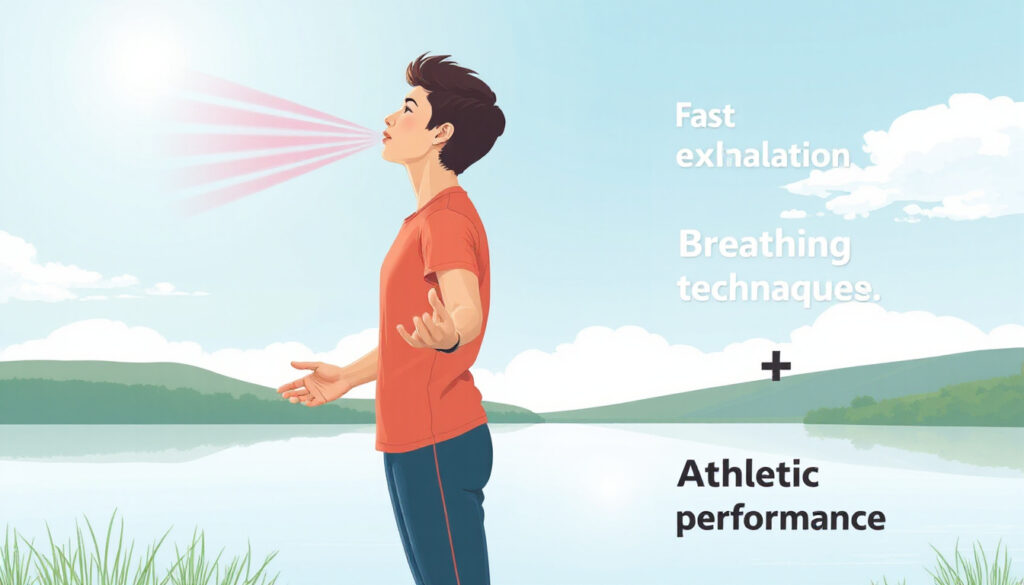

Breathing is a fundamental process that sustains life, supporting not only oxygen delivery but also overall health and well-being. One specific aspect of breathing that warrants attention is fast exhalation—the act of expelling air quickly from the lungs. Understanding the role of fast exhalation, its effects, and how to harness it through proper breathing techniques can significantly benefit physical performance, stress management, and respiratory health.
What Is Fast Exhalation?
Fast exhalation refers to a rapid release of breath from the lungs. It may occur naturally during vigorous activity or intentionally as part of controlled breathing exercises. While normal breathing rates range from 12 to 20 breaths per minute in adults at rest, fast exhalation can temporarily speed up this process.
It’s important to differentiate fast exhalation as a functional component of breathing techniques from pathological conditions such as rapid shallow breathing (tachypnea) or hyperventilation, which are often symptoms of underlying disorders.
Fast Exhalation vs. Rapid Shallow Breathing and Hyperventilation
-
Rapid Shallow Breathing: This involves quick, shallow breaths, often a sign of medical distress including lung or heart disease, infections, or anxiety. It does not promote effective gas exchange and may lead to insufficient oxygen intake.
-
Hyperventilation: This involves rapid, deep breaths leading to excessive exhalation of carbon dioxide, resulting in symptoms like dizziness, lightheadedness, and tingling in extremities due to blood vessel constriction.
In contrast, fast exhalation as used in controlled breathing is purposeful, focused on improving respiratory efficiency and health rather than indicating distress.
The Physiology Behind Fast Exhalation
The process of breathing maintains a delicate gas balance—oxygen is inhaled, carbon dioxide is exhaled. When you exhale quickly, you remove carbon dioxide more rapidly, which can affect blood chemistry. Controlled fast exhalation, for instance through pursed lip breathing, can help:
- Increase exhalation time, preventing airway collapse.
- Improve oxygen and carbon dioxide exchange, optimizing blood gas balance.
- Enhance respiratory muscle function, by engaging expiratory muscles effectively.
Conversely, uncontrolled fast exhalation or hyperventilation leads to low carbon dioxide levels (hypocapnia), causing symptoms like dizziness and muscle spasms.
Benefits of Fast Exhalation in Breathing Techniques

A Simple Technique People Use Before Bed
A short routine designed to help your body relax and unwind naturally.
- ✔ Easy to learn and takes only a few minutes
- ✔ No equipment or supplements required
- ✔ Popular among people struggling to relax at night
When integrated properly, fast exhalation techniques offer numerous health and performance benefits:
1. Enhanced Respiratory Function
Practices like pursed lip breathing and diaphragmatic breathing that incorporate controlled fast exhalation improve lung emptying and reduce air trapping, especially beneficial for chronic lung diseases such as COPD and asthma.
2. Stress Reduction and Anxiety Management
Fast exhalation techniques can activate the parasympathetic nervous system, helping to calm the body during stress or panic attacks. Slow, deliberate exhalation with a quick release component is particularly effective in reducing anxiety symptoms and hyperventilation episodes.
3. Improved Physical Performance
Athletes often use fast exhalation to expel air forcefully after exertion, enhancing oxygen delivery for subsequent breaths and reducing breathlessness during intense activity.
4. Better Control Over Breathing Patterns
Learning to control exhalation rhythms can help regulate breathing during activities such as singing, speaking, playing wind instruments, and even meditation or yoga.
Practical Techniques to Harness Fast Exhalation

Pursed Lip Breathing
- Inhale slowly through the nose.
- Purse your lips as if blowing out a candle.
- Exhale quickly and steadily through pursed lips.
- This prolongs exhalation, promotes airway stability, and increases oxygen intake.
Diaphragmatic Breathing with Fast Exhalation
- Breathe deeply into your belly.
- Exhale rapidly and completely, engaging the diaphragm and abdominal muscles.
- This strengthens respiratory muscles and maximizes lung capacity.
Controlled Breathing During Exercise
- Exhale forcefully and quickly during exertion phases.
- Inhale deeply and calmly during relaxation phases.
- This pattern supports endurance and oxygen efficiency.
When to Be Cautious – Recognizing Symptoms of Abnormal Fast Breathing
Fast exhalation imitates some symptoms seen in medical conditions when uncontrolled or excessive. Be vigilant about signs that require medical attention, including:
- Bluish or grayish discoloration of skin, lips, or nails.
- Chest pain or tightness.
- Severe dizziness or fainting.
- Labored or difficult breathing.
- Increasing severity or first-time occurrence of rapid breathing.
If these occur, seek emergency care promptly as they may indicate serious lung, heart, or metabolic conditions.
Conclusion
Fast exhalation is a powerful tool within effective breathing techniques that can improve respiratory efficiency, promote relaxation, and enhance physical performance. Understanding the difference between beneficial fast exhalation practices and pathological rapid breathing is essential for health and safety. By incorporating controlled fast exhalation methods such as pursed lip breathing into daily routines or exercise, individuals can unlock better control over their breathing, contributing to improved overall wellness.
Always consult a healthcare professional if you experience unexplained or persistent rapid breathing to rule out underlying health issues and receive personalized guidance.
References:
- National Library of Medicine, MedlinePlus: Rapid Shallow Breathing (Tachypnea)
- Cleveland Clinic: Hyperventilation Symptoms, Causes & Treatment
- Emirates Hospitals Group: Rapid Breathing – Causes, Diagnosis & Treatment


