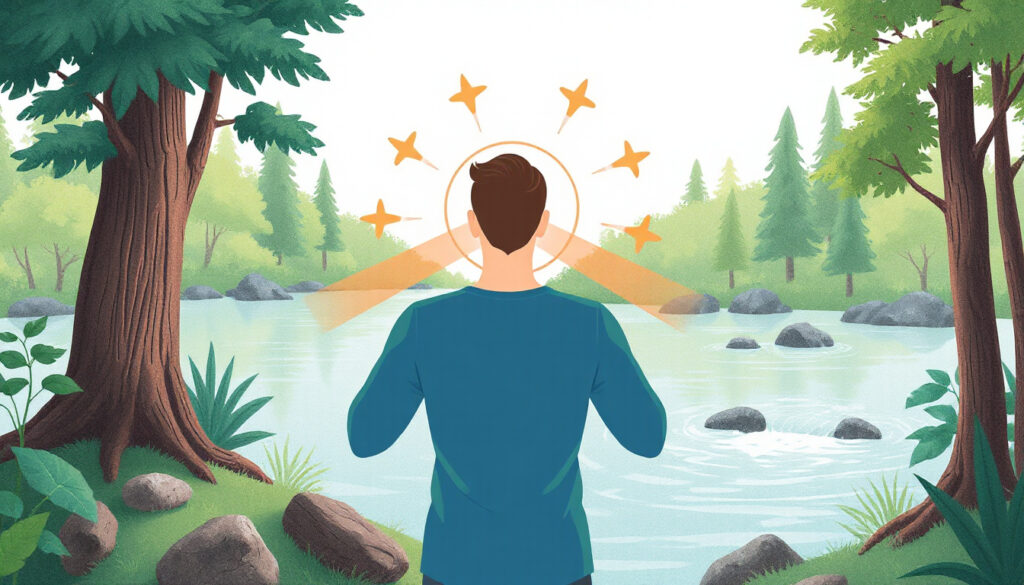

In our fast-paced world, stress and tension often manifest physically, especially in the shoulders and neck. One effective and accessible way to alleviate this muscular tension and bring calmness to the mind is through shoulder relaxation breaths. This guide explores what shoulder relaxation breathing entails, how to perform it, and its benefits for stress relief and overall well-being.
What Are Shoulder Relaxation Breaths?
Shoulder relaxation breaths combine mindful breathing techniques with gentle shoulder movements to release built-up tension in the upper body. This practice involves consciously relaxing the shoulders while coordinating with deep, controlled breaths that engage the diaphragm, the body’s primary muscle for efficient breathing.
While typical breathing can be shallow and predominantly chest-focused, using diaphragmatic (or belly) breathing encourages full lung capacity, improving oxygen flow and promoting greater relaxation. Coupled with mindful shoulder movements and progressive muscle relaxation, shoulder relaxation breaths provide a holistic approach to unwinding both body and mind.
Why Focus on the Shoulders?
The shoulders and neck are common areas where stress is held physically. People often clench their jaw, hunch their shoulders, or tense neck muscles unknowingly during periods of stress, leading to discomfort and fatigue. Relaxing these muscles can reduce physical strain, prevent headaches, and improve posture.
Regularly practicing shoulder relaxation breaths helps you become more aware of where you hold tension, allowing you to consciously release it throughout your day—whether at your computer, before driving, or simply in moments of rest.
Benefits of Shoulder Relaxation Breaths
- Reduces Muscle Tension: Promotes relaxation of tight muscles in the shoulders, neck, and upper back.
- Improves Breathing Efficiency: Incorporates diaphragmatic breathing to maximize oxygen intake and lower breathing effort.
- Lowers Heart Rate and Blood Pressure: Activates the parasympathetic nervous system, encouraging a state of calm.
- Enhances Mental Clarity and Calmness: Reduces anxiety and stress by grounding your awareness in the present moment.
- Supports Better Posture: Encourages an upright but relaxed sitting position, reducing strain over time.
How to Practice Shoulder Relaxation Breaths

A Simple Technique People Use Before Bed
A short routine designed to help your body relax and unwind naturally.
- ✔ Easy to learn and takes only a few minutes
- ✔ No equipment or supplements required
- ✔ Popular among people struggling to relax at night

Here is a simple step-by-step exercise that you can perform anywhere with a chair or even while sitting on the floor:
Preparation
- Sit upright with your feet flat on the floor.
- Ensure your back is supported.
- Rest your hands comfortably on your lap or thighs.
- Keep your head balanced atop your spine.
- Relax your jaw, keeping lips gently touching and forehead smooth.
Breathing and Movement Sequence
-
Begin with diaphragmatic breathing:
- Breathe out slowly to a count of four.
- Breathe in gently to a count of two.
- Focus on your stomach rising and falling rather than your chest.
-
Shoulder relaxation:
- As you exhale, pull your shoulders down gently toward the floor, then let them go without forcing the release.
- Repeat this movement twice.
-
Gentle shoulder shrugs and circles:
- Shrug your shoulders up once or twice.
- Circle your shoulders backward once, forward once, and repeat.
-
Stretch your hands and wrists:
- Pull your hands back at the wrists, stretch your fingers wide.
- Let your hands relax and “flop” onto your lap afterward.
-
Arm stretch with breath:
- Clasp your hands in your lap.
- Roll your chin slowly toward your chest just a tiny bit.
- Scoop your arms forward to shoulder level as you breathe out and feel the stretch between your shoulder blades.
- Repeat this with your palms facing outward while clasped.
-
Relax fully:
- Check your posture again.
- Relax heavily into your chair.
- Breathe out completely and notice the lightness or difference in your shoulders.
-
Return to awareness:
- Take a moment to observe the present.
- Slowly begin your next task with attention to maintaining relaxed shoulders and gentle breathing.
Optional Progressive Muscle Relaxation Inclusion
For a deeper relaxation experience, you can add progressive muscle relaxation techniques by deliberately tightening and then releasing your upper body muscles, including shoulders, arms, neck, face, and chest:
- Inhale deeply and tense these muscles tightly for a few seconds.
- Exhale and release all tension fully.
- Notice the flood of energy and relaxation spreading through the muscles.
Tips for Effective Practice
- Practice daily, ideally several minutes at a time, gradually increasing duration as comfort grows.
- Use this exercise during breaks at work, before bedtime, or anytime you feel tension creeping in.
- Pair shoulder relaxation breaths with a calm environment—soft lighting, minimal noise—to enhance relaxation.
- Be gentle with yourself; never force movements or hold tension beyond comfort.
Who Can Benefit?
Shoulder relaxation breaths are suitable for most people, especially those experiencing:
- Daily stress and anxiety
- Muscle tightness in the neck and shoulders
- Poor posture from prolonged sitting
- Respiratory conditions benefiting from diaphragmatic breathing, such as mild asthma or stress-related shortness of breath
If you have respiratory diseases like COPD or other medical concerns, consult your healthcare provider for guidance on incorporating breathing exercises safely.
Conclusion
Incorporating shoulder relaxation breaths into your routine is a simple yet powerful tool to dissolve physical tension and cultivate mental calm. By combining mindful breathing, gentle movement, and body awareness, you invite a state of relaxation that supports both your physical and emotional well-being. Take a few moments each day to breathe with intention—your shoulders and mind will thank you.
References:
- MindWell (Leeds City Council & Volition): Neck and shoulder relaxation exercise.
- Cleveland Clinic: Diaphragmatic breathing exercises and benefits.
- American Lung Association: Progressive muscle relaxation guided by Candice Alexander.


