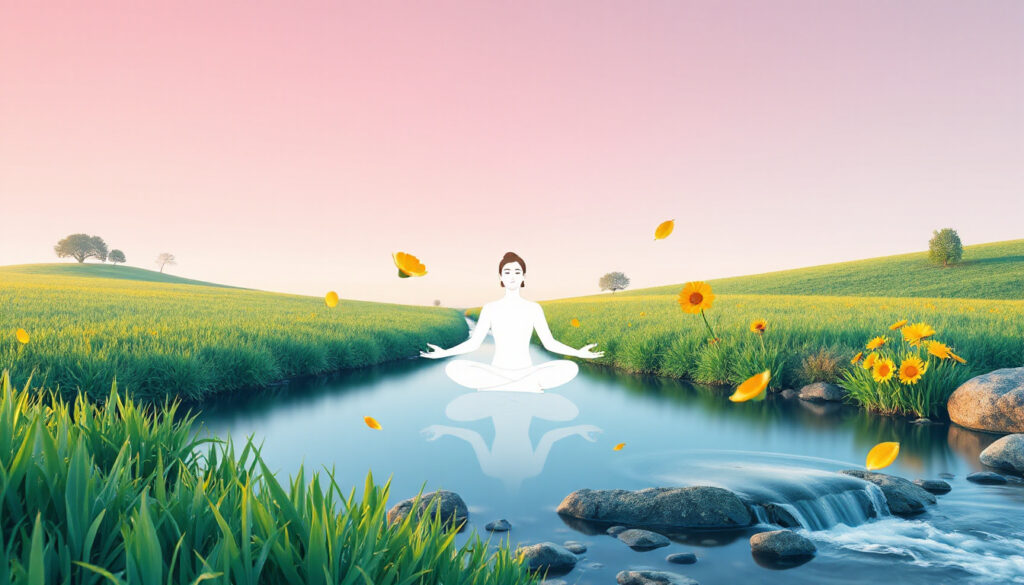

Stress is an inevitable part of life, affecting both our mind and body. Fortunately, one of the simplest yet most effective tools for managing stress lies literally under our noses—our breath. Conscious breathing techniques can quickly reduce feelings of anxiety, lower heart rate, and promote relaxation. This article explores how mindful breathing works to alleviate stress and presents several practical exercises you can integrate into your daily routine for lasting calm and wellbeing.

How Breathing Helps Combat Stress
When faced with stress or perceived threats, the body activates the "fight-or-flight" response, releasing stress hormones like adrenaline and cortisol. This triggers faster, shallower breathing, increased heart rate, muscle tension, and heightened alertness—all designed to prepare us for immediate action. While useful in emergencies, prolonged activation results in chronic stress, exhaustion, and negative health effects.
Deep breathing counters this response by engaging the diaphragm—a muscle located just below the lungs. When you direct your breath deeply into your belly, activating diaphragmatic breathing, it signals the nervous system to shift from the stressed sympathetic state to the more restful parasympathetic state. This physiological change helps reduce heart rate and blood pressure, relax muscles, clear the mind, and ease anxiety.
Additional benefits of regular deep breathing include improved sleep quality and better emotional regulation. Even a few minutes each day focusing on slow, mindful inhalations and exhalations can foster greater resilience to stress and enhance overall wellbeing.
Getting Started: Tips for Effective Breathing Practice
- Find a comfortable position: Sit upright with your back supported, stand, or lie down. Ensure your feet are planted if sitting or standing.
- Loosen tight clothing: Anything restricting your chest or abdomen can inhibit deep breaths.
- Breathe through your nose and exhale through your mouth: This helps regulate breath flow and increases relaxation.
- Focus on your breath: Concentrate on the sensation of air entering and leaving your body.
- Start slow and steady: Use a count to guide your inhales and exhales, adjusting to what feels comfortable.
Aim for at least 5 minutes of practice daily; consistency maximizes benefits.
Effective Breathing Techniques for Stress Relief
1. Diaphragmatic (Belly) Breathing
Description: This foundational technique activates the diaphragm and encourages full oxygen exchange.
How to do it:
- Sit or lie down comfortably.
- Place one hand on your chest and the other just below your rib cage.
- Inhale slowly through your nose, feeling your belly rise (your chest should remain relatively still).
- Exhale slowly through pursed lips, allowing your belly to fall.
- Repeat for 5-10 minutes.
Benefits: Calms the nervous system, reduces heart rate, and promotes relaxation.
2. Box Breathing (Square Breathing)
Description: This rhythmic technique provides structure to your breath and encourages mindfulness.
How to do it:
- Inhale slowly through your nose for a count of 4.
- Hold your breath for a count of 4.
- Exhale gently through your mouth for a count of 4.
- Hold your breath again for a count of 4.
- Repeat the cycle as long as needed.
Benefits: Helps to steady the mind, improve concentration, and restore calm during periods of acute stress.
3. 4-7-8 Breathing
Description: Based on ancient yogic practices, this technique balances breath retention and slow exhalation to soothe the body.
How to do it:
- Inhale quietly through your nose for 4 seconds.
- Hold your breath for 7 seconds.
- Exhale forcefully through your mouth for 8 seconds, making a “whoosh” sound.
- Repeat the sequence 3-4 times.
Benefits: Effective for falling asleep and reducing anxiety.
4. Alternate Nostril Breathing
Description: This calming yogic technique balances the nervous system by controlling airflow through each nostril.
How to do it:
- Sit comfortably with your spine straight.
- Use your right thumb to close your right nostril.
- Inhale deeply through your left nostril.
- Close the left nostril with your ring finger and release your thumb from the right nostril.
- Exhale through the right nostril.
- Inhale through the right nostril, then close it and exhale through the left.
- Continue alternating for several cycles.
Benefits: Reduces stress, enhances focus, and balances energy.
5. Pursed Lip Breathing
Description: This exercise slows the pace of your breath and improves oxygen exchange.
How to do it:
- Relax your neck and shoulders.
- Inhale slowly through your nose for 2 counts.
- Purse your lips as if whistling.
- Exhale slowly through pursed lips for 4 counts.
- Repeat multiple times daily.
Benefits: Useful during physical activities or when feeling short of breath.
6. Breath Focus with Mantras
Description: Integrating focused words or phrases with breathing sharpens concentration and promotes mental calm.
How to do it:
- Choose a calming word (e.g., “peace,” “relax”).
- Sit or lie comfortably and breathe naturally for a few moments.
- Begin repeating your chosen word silently with each exhale.
- Continue for 10-20 minutes.
Benefits: Helps interrupt racing thoughts and cultivates relaxation.
Incorporating Breathing Exercises Into Your Life
A Simple Technique People Use Before Bed
A short routine designed to help your body relax and unwind naturally.
- ✔ Easy to learn and takes only a few minutes
- ✔ No equipment or supplements required
- ✔ Popular among people struggling to relax at night
- Set reminders: Dedicate times in your day to practice.
- Use breathing before stressful events: Meetings, presentations, or any anxiety-provoking situation.
- Combine with other relaxation methods: Such as meditation, yoga, or gentle stretching.
- Stay consistent: Daily practice results in the greatest improvement.
When to Consult a Healthcare Provider
For most people, these breathing techniques are safe and beneficial. However, if you have certain health conditions like severe heart problems or respiratory issues, or experience discomfort such as dizziness while practicing, consult a medical professional.
Conclusion
Breathwork is a natural, accessible, and powerful tool to mitigate stress and restore equilibrium. By dedicating just a few minutes each day to mindful breathing exercises, you can control physiological responses to stress, enhance mental clarity, and promote peacefulness in your daily life. Embrace these techniques and breathe your way to calm.
References
- NHS — Breathing Exercises for Stress
- British Heart Foundation — 3 Breathing Exercises to Relieve Stress
- Healthline — 10 Breathing Techniques for Stress Relief


