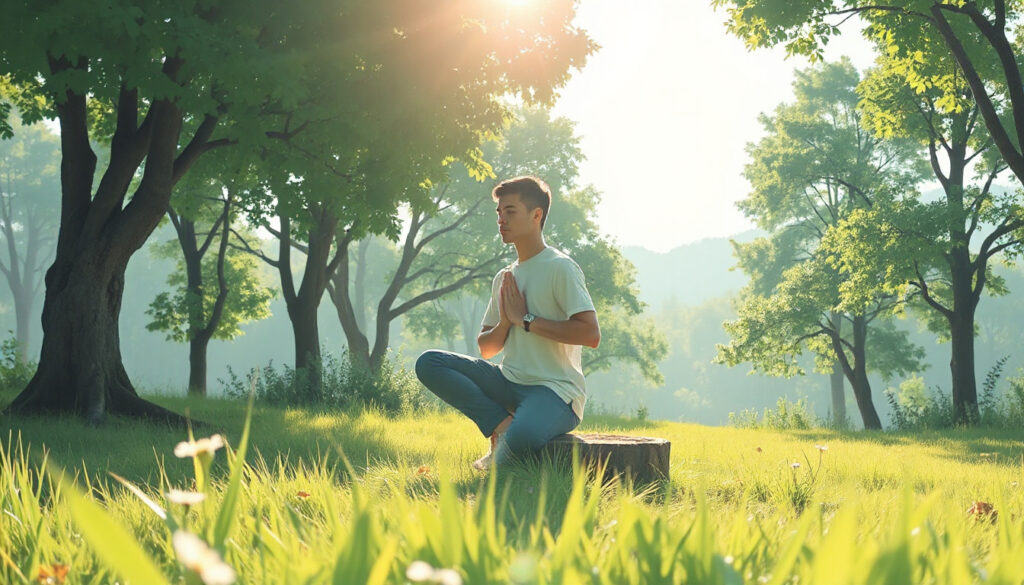

In today’s fast-paced world, stress and anxiety have become common companions in our daily lives. Fortunately, one of the simplest and most effective tools to combat these feelings is right at our disposal—our breath. Practicing deep breathing techniques can unlock a profound sense of calm, improve lung function, and enhance overall well-being. This article explores how to harness the power of deep breathing, the science behind it, and step-by-step guidance to help you get started.
Why Practice Deep Breathing?
Deep breathing is more than just a relaxation tool; it is a fundamental process that affects physical, mental, and emotional health. When done correctly, deep breathing:
- Reduces stress and anxiety: Slow, mindful breathing activates the parasympathetic nervous system, which helps calm the mind and reduce the physiological symptoms of stress, such as a rapid heartbeat and muscle tension.
- Enhances lung efficiency: Practicing breathing exercises can improve lung capacity and function, particularly beneficial for individuals with respiratory issues like asthma or COPD, by encouraging full oxygen exchange and reducing trapped stale air.
- Improves oxygen supply: Deep breaths help oxygenate your blood, energizing your body and brain, and promoting mental clarity.
- Supports emotional regulation: Conscious breathing cultivates mindfulness, enabling you to manage emotional responses more effectively.
How Does Deep Breathing Work?
Our lungs—and specifically the diaphragm—play a crucial role in effective breathing. The diaphragm is a dome-shaped muscle located beneath the lungs that contracts and flattens during inhalation, allowing the lungs to fill more fully with air. However, shallow breathing often engages upper chest muscles inefficiently, limiting oxygen intake and increasing tension.
Through practice, deep breathing encourages the diaphragm to do most of the work, improving air exchange and helping clear out carbon dioxide.

For people with lung conditions, targeted breathing exercises can restore lung “springiness” and reduce breathlessness.
Getting Started: Deep Breathing Techniques
1. Posture Preparation
Your breathing quality depends significantly on your posture:
- Sit or stand upright: Maintain a straight spine by lengthening it gently—imagine lifting the crown of your head toward the ceiling.
- Relax your shoulders: Keep them back and down to allow the rib cage to expand freely.
- Avoid lying flat: For those in bed, prop yourself up with pillows to elevate your upper body slightly, making deep breaths easier.
2. Diaphragmatic (Belly) Breathing
This technique focuses on expanding the belly and lower rib cage:
- Place your hands on your lower ribs or belly.
- Slowly breathe in through your nose, aiming to make your lower ribs and belly expand outward as your diaphragm contracts downward.
- Avoid raising your upper chest or shoulders.
- Breathe out gently through your mouth, allowing the air to flow out naturally without forcing it.
- Repeat this cycle deliberately and calmly.
3. Pursed-Lip Breathing
This technique helps regulate breath and keeps airways open longer:
- Inhale slowly through your nose with a closed mouth.
- Purse your lips as if softly blowing out a candle.
- Exhale gently and slowly through pursed lips, making your exhale last at least twice as long as your inhale.
- Continue this pattern until your breathing feels more controlled and relaxed.
4. Mindful Counting
Some find it helpful to count during breathing to maintain a steady rhythm:
- Inhale gently while counting to 3 or 5.
- Exhale softly for the same count.
- Adjust the count to what feels natural without strain.
5. Practice Routine
- Begin with 3 to 4 deep breaths per session.
- Avoid overdoing it at first to prevent lightheadedness.
- Practice several times a day—morning, midday, and evening—to build a habit.
- Use these exercises before stressful events, physical activity, or to aid recovery from illness.
Tips for Effective Deep Breathing Practice

A Simple Technique People Use Before Bed
A short routine designed to help your body relax and unwind naturally.
- ✔ Easy to learn and takes only a few minutes
- ✔ No equipment or supplements required
- ✔ Popular among people struggling to relax at night
- Create a comfortable environment: Sit or stand in a quiet space where you feel safe and relaxed.
- Loosen any tight clothing that might restrict your breathing.
- Focus fully on your breath: Let go of distractions and bring awareness to the sensation of air entering and leaving your body.
- Be patient: Like any skill, deep breathing takes practice but offers lasting benefits.
- Listen to your body: Stop if you feel dizzy or uncomfortable, and resume later.
Conclusion
The transformative power of practicing deep breathing lies in its simplicity and accessibility. By consciously slowing and deepening your breath, you can unlock calmness, enhance your lung function, and nurture your mental and emotional well-being. Whether you’re managing stress, recovering from illness, or preparing for physical activity, incorporating deep breathing exercises into your daily routine can profoundly impact your quality of life. Take a moment today to breathe deeply—your body and mind will thank you.
Remember, if you have underlying lung conditions or experience persistent breathing difficulties, consult a healthcare professional before starting new breathing exercises.


