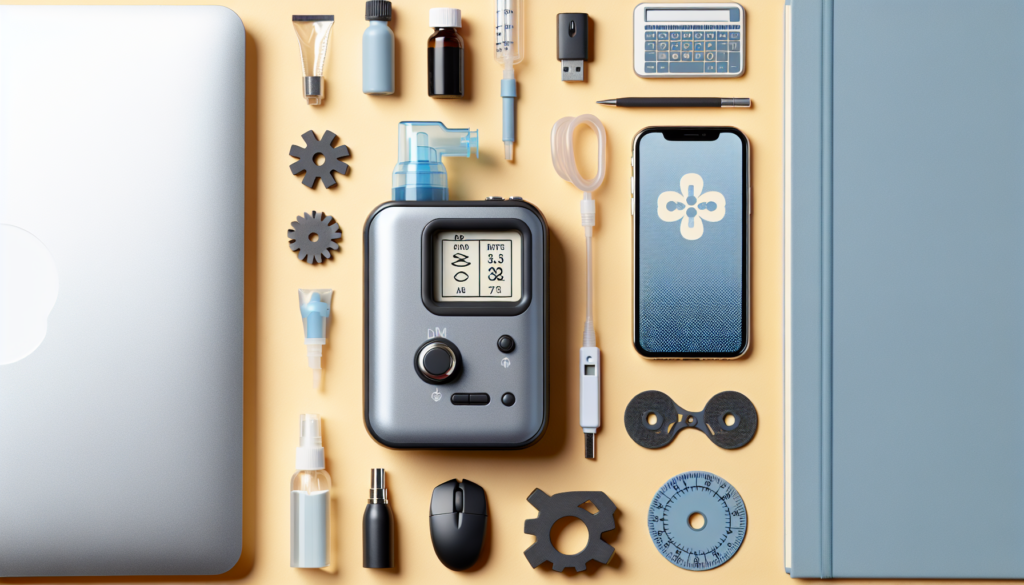

Small Portable Nebulizer Machine Guide
Small portable nebulizer machine tips to choose, use, and maintain for easier breathing on the go.
Small Portable Nebulizer Machine: Complete Guide
If you find breathing a little more awkward away from home—on a commute, during travel, or between training sessions—a small portable nebulizer machine can be a discreet option designed to support inhaled routines and on-the-go comfort. This guide walks through why people pick portable units, how they work, and what to watch for when choosing and caring for one.
- Struggling with breathing discomfort when away from home and seeking discreet, travel-friendly relief options that may help.
- Want a compact device that is easy to use and maintain, designed to support inhaled therapy routines at work, travel, or school.
- Looking for clear buying and safety guidance to pick a device that can improve comfort and fit your daily needs.
This article is informational only. Devices are described as comfort and convenience tools—not medical treatments—and you should consult a healthcare professional for medical advice or questions about prescription use. Before you buy, note we may earn a commission if you buy through links on this page.
For practical tips on timing inhalation and establishing a routine, try a trial session at home and check our step-by-step guidance on how to use a nebulizer. For patient-facing breathing resources, see the American Lung Association’s page on breathing.
If you want cleaning pointers and storage notes, consult our nebulizer cleaning guide for routine steps and deeper maintenance. For broader background and lifestyle articles about breathable air and devices, explore articles at Breathe Magazine.
Why people consider a small portable nebulizer machine
Portability matters when you spend time on public transit, short business trips, or outdoor training blocks where carrying a full home nebulizer would be impractical. Runners and commuters often value a device that fits a daypack and is quiet enough for a discreet break at work or the gym.
Common pain points include bulky home units, noisy operation, and complicated setup. Portable devices are designed to reduce these barriers with simpler assembly, battery or USB power, and smaller footprints that support more consistent use in daily life.
Think about lifestyle benefits: battery operation for long commutes, compact cases that slide into a gym bag, and quieter mesh or ultrasonic designs for shared spaces. For product overviews and reviews, see resources about Nebulizer.
How a small portable nebulizer machine works
At a basic level, a nebulizer converts liquid into a fine mist so particles can be inhaled—similar in concept to a small humidifier that focuses mist into a mouthpiece or mask. Portable designs use different mechanisms to make that mist while keeping size and power needs low.
Power sources vary: disposable batteries, built-in rechargeable batteries charged by USB, or plug-in adapters. Battery choice affects runtime and convenience—USB charging can make frequent travel easier, while replaceable batteries may suit occasional users.
Performance factors to check include particle size and runtime per charge. Particle size (often given in microns) is a technical spec: smaller values generally mean finer mist, but how that feels or works in real life depends on device design and the solution used.
Types of portable nebulizers explained
There are three common portable styles: ultrasonic, mesh, and compressed-air (pneumatic). Ultrasonic units use vibrations to form mist, mesh units push liquid through a fine mesh, and compressed-air models rely on a small pump to atomize the liquid.
Each type has trade-offs. Mesh devices tend to be compact and quiet with low maintenance, ultrasonic options can be quiet and fast but may be sensitive to liquid type, and compressed-air models are proven but often larger and noisier.
Compatibility varies: some designs handle saline and many OTC solutions well, while others may be less suitable for thicker or specially formulated prescription liquids. Always confirm compatibility with your device instructions and check with a clinician or pharmacist before using prescribed solutions.
Comparison: portable nebulizer types at a glance

A Simple Technique People Use Before Bed
A short routine designed to help your body relax and unwind naturally.
- ✔ Easy to learn and takes only a few minutes
- ✔ No equipment or supplements required
- ✔ Popular among people struggling to relax at night
| Product Type | Key Feature | Noise Level | Portability | Best For |
|---|---|---|---|---|
| Mesh | Fine mist via vibrating mesh | Low | Very compact, lightweight | Quiet, frequent on-the-go use |
| Ultrasonic | Vibrating element creates mist | Low–moderate | Compact but may be sensitive to liquids | Users wanting quieter sessions |
| Compressed-air | Small pump atomizes liquid | Moderate–high | Less compact, more robust | Home-style portability, occasional travel |
When comparing specs, focus on real-world traits: noise level in shared spaces, how long a charge lasts between sessions, and how easy parts are to clean. Manufacturer particle-size or ml/min figures describe technical behavior and may influence comfort, but ask a clinician about medication use and dosing.
How to choose the right small portable nebulizer machine
Use a decision checklist: how often you’ll use it, whether you need battery or USB power, how much noise you can tolerate, and how much time you want to spend on cleaning. For commuters, small and quiet may be top priorities; for frequent travelers, USB charging and a robust case may matter more.
Ask these questions when assessing compatibility with prescribed or OTC solutions: does the manual list compatible liquids, are there restrictions on viscosity, and will your prescriber or pharmacist confirm the device is suitable for any prescribed medication?
Feature priorities by user: commuters may prioritize compactness and discretion; frequent travelers should look for multi-session battery life and a protective case; caregivers might value simple assembly and easy cleaning for shared use.
Best use cases for a small portable nebulizer machine
Day-to-day scenarios where a compact device can be handy include quick breaks during a long commute, short business trips where packing space is tight, or gym breaks when you want a fast recovery routine without hauling a full home unit.
Choose ultra-quiet units for shared spaces like offices or libraries, rechargeable models for frequent flyers, and rugged designs with simple controls for outdoor activities such as hiking breaks. Try one session at home to learn timing and charge needs before relying on it away from base.
Integrate a portable device into your routine by keeping a small kit—charger, spare mouthpiece or filters, and a cleaning wipe—in your bag, and practice discreet use during downtime so it feels natural when you need it on the road.
Safety, cleaning, and usage considerations for nebulizers
Basic hygiene: rinse removable parts after each use, disinfect per the manufacturer’s instructions on a regular schedule, and allow full drying before storing. This lowers the risk of contamination and keeps performance consistent.
Store the device in a clean, dry case. Handle liquids carefully, and follow battery care tips—avoid extreme temperatures and follow recommended charge cycles to keep runtime reliable. If you have concerns about compatibility with a prescription solution, check with your prescriber or pharmacist.
If you notice worsening symptoms or any unexpected reaction after using a device, contact a healthcare professional. This guide focuses on device convenience and maintenance rather than medical treatment recommendations.
Affiliate disclosure: We may earn a commission if you buy through links on this page. Please verify compatibility with your clinician or pharmacist before purchasing a device for prescription use.
Product-style evaluations and scenarios
Quiet mesh-style portable unit
Who it may suit: commuters and athletes who want a very compact, low-noise device that fits a daypack and can be used discreetly during short breaks.
Key features: compact size, low sound output, USB-rechargeable battery, and simple mouthpiece attachment designed for quick sessions.
Pros: lightweight, quiet, minimal assembly, often easy to clean. Cons: may have shorter continuous runtime for multiple back-to-back sessions and some mesh designs can be sensitive to thicker liquids.
Why some runners like it: designed to support brief inhalation routines between intervals or during cooldowns, and it may help maintain comfort when traveling light. Who should avoid this: users who need long continuous run times or who must use thicker, nonstandard liquids without confirmed compatibility.
Ultrasonic compact option
Who it may suit: users prioritizing quiet operation and slightly faster mist generation for short single-session use at the office or in a hotel room.
Key features: vibration-based mist production, usually quiet, rechargeable, and often includes simple controls for session timing.
Pros: fast misting, low noise; Cons: some liquids are not recommended for ultrasonic devices and cleaning may require careful attention to the vibrating element.
Why some travelers choose it: it’s designed to support quick sessions on travel days where discretion matters. Who should avoid this: those planning to use medications that the device manual doesn’t list as compatible without consulting a clinician.
Compact compressed-air style
Who it may suit: people who prefer a familiar compressor-style delivery in a smaller package and don’t mind moderate noise for a robust, proven mechanism.
Key features: small pump-based atomization, typically more tolerant of different liquid types, and straightforward maintenance for those used to traditional home units.
Pros: generally robust and compatible with many liquid types; Cons: often louder and slightly bulkier than mesh or ultrasonic options.
Why some caregivers like it: it’s designed to support routine use and can be easier to pair with certain masks or accessories. Who should avoid this: users needing ultra-quiet discretion in shared spaces.
Frequently asked questions
What is a small portable nebulizer machine and how does it differ from a regular nebulizer?
A compact device designed for easier transport and simpler setup; often uses batteries or USB power. Differences include size, noise, run time, and maintenance—portable units trade some capacity for convenience.
Can I use my prescribed medications with a portable nebulizer?
Many portable nebulizers are compatible with prescribed nebulized solutions, but compatibility varies by design. Check device specifications and consult a healthcare professional or pharmacist for confirmation before use.
How long does a portable nebulizer battery typically last?
Battery life depends on model, particle output, and usage patterns; some last a single session, others multiple sessions. Look for runtime specifications and charge cycles when choosing a device to match your routine.
How do I clean and store a small portable nebulizer machine?
Follow manufacturer cleaning steps: rinse parts after use, disinfect per guidance, and allow complete drying before storage. Store in a clean, dry case and keep batteries charged per instructions to maintain performance.
Are portable nebulizers noisy or suitable for public use?
Noise levels vary by type; mesh and ultrasonic units tend to be quieter than compressed-air models. For discreet use in public, seek ultra-quiet designs and consider battery operation for convenience.
Conclusion
Portable nebulizer machines are one option for runners and commuters who want a compact, discreet way to support inhalation routines while away from home. Focus on the features that match your lifestyle—size, noise, power source, and ease of cleaning—and always confirm compatibility with any prescribed solutions with your clinician or pharmacist.
Start with a short trial session at home to learn timing, charging needs, and cleaning steps before relying on the device during travel or workouts. If you have medical questions or persistent symptoms, consult a healthcare professional for tailored advice.