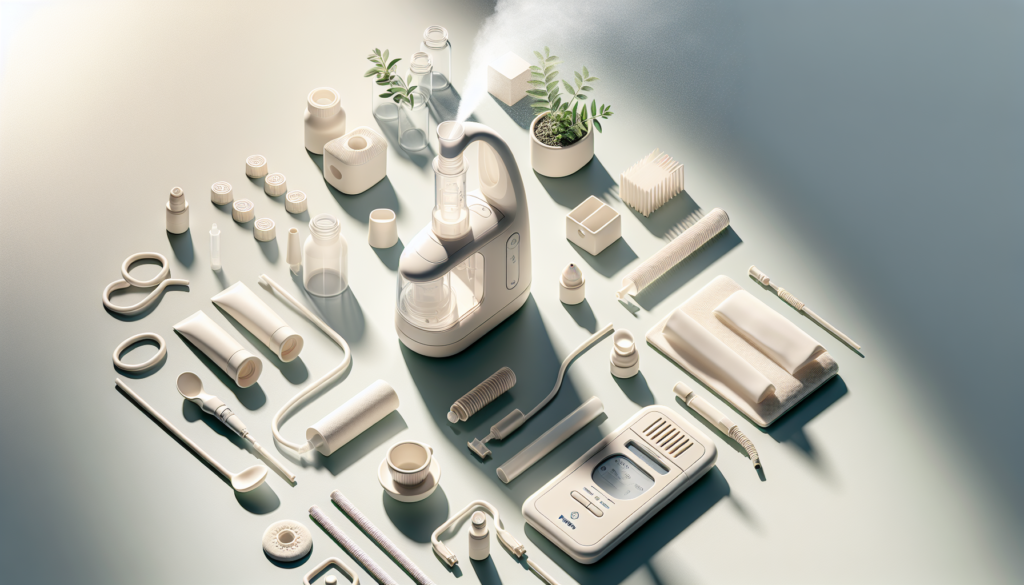

Philips Nebulizer Parts: Guide & Tips
Find Philips nebulizer parts, replacement guidance, and tips to keep your device working reliably.
Philips Nebulizer Parts: Complete Replacement & Care Guide
If your nebulizer is making weak mist, leaking, or sounding louder than usual, this guide walks through which Philips nebulizer parts to check and simple fixes a runner or parent can try for better day-to-day usability. Think of it as a kit-focused, practical walkthrough: quick checks at home, a travel-ready packing note for post-run recovery, and a parent’s swap routine for nighttime use.
- Frustrated by weak mist, leaks, or strange noises? Learn which Philips nebulizer parts to check to diagnose device problems such as weak mist or leaks.
- Find clear steps to identify, replace, and maintain components so your device may work more reliably.
- Get buying and care tips designed to support compatibility, safety, and longer-lasting performance.
Affiliate disclosure: we may earn a commission from qualifying purchases; this does not affect our recommendations. This article covers device parts and maintenance tips for usability and comfort. For health concerns or medical treatment, consult a licensed healthcare professional. For quick cleaning pointers, see our nebulizer cleaning guide and consider basic breathing resources like breathing basics.
Common Problems with Philips Nebulizer Parts
Signs of worn parts include reduced mist, a leaking medication cup, clogged tubing, or a noisy compressor; these are usually mechanical signals rather than health diagnoses. A simple check: run the empty device and listen for unusual sounds, then inspect the cup, tubing, mask, and filter for visible buildup. If you want a quick troubleshooting checklist, our nebulizer troubleshooting tips page may help, and general device reviews can show common failure points like clogged jets (Nebulizer).
How Philips Nebulizer Parts Work and What to Replace
Think of the compressor as the pump, the nebulizer cup as the part that turns liquid into mist, the tubing as the air bridge, and the filter as the part that keeps intake air cleaner. User-serviceable items typically include masks, cups, tubing, and filters; larger modules such as compressors are often handled per manufacturer guidance. If cleaning doesn’t improve mist output, replacing the nebulizer cup or filter may help restore expected mechanical performance—check your model number before ordering and consult your manual or our nebulizer cleaning guide. For context on parts and airflow, a basic guide to clever setup can help (breathe).
Types of Philips Nebulizer Parts
Consumables include disposable masks, single-use cups, and filters that need regular swapping; reusable parts are sturdier cups and mouthpieces that require routine cleaning. Accessories cover tubing lengths, pediatric vs adult masks, and travel add-ons that affect fit and convenience. Match parts to your use case—home, commuting, or gym bag—and check compatibility listings before buying on your model’s support page or our best portable nebulizers guide. For more on accessory tradeoffs and sizing, see broader articles on device features (Breathing Techniques).
Compare Philips Nebulizer Parts: Accessories vs Replacement Modules

A Simple Technique People Use Before Bed
A short routine designed to help your body relax and unwind naturally.
- ✔ Easy to learn and takes only a few minutes
- ✔ No equipment or supplements required
- ✔ Popular among people struggling to relax at night
Accessories like extra masks or travel cases improve convenience but may not fix a broken compressor or clogged jet; replacement modules such as a new nebulizer cup or compressor swap may help restore mist output for compatible models. Consider noise, portability, and compatibility when choosing parts—smaller travel cups often improve portability but can be slightly noisier or have different aerosol characteristics. For model-specific compatibility, cross-check part codes and the manufacturer’s support resources and our nebulizer troubleshooting tips before purchasing. Useful comparative write-ups appear in device review roundups (Nebulizer).
How to Choose Philips Nebulizer Parts
Always match parts to your exact model number and part code to ensure fit; if uncertain, OEM parts reduce risk of mismatch though compatible parts can be more affordable. Weigh cost, warranty, and fit: incompatible parts may affect performance or void warranties, so when in doubt contact manufacturer support and review return policies. If you need a quick checklist for selection, our best portable nebulizers primer explains portability and noise tradeoffs, while external resources can help with general setup ideas (breathe).
Best Use Cases for Philips Nebulizer Parts
Home users should prioritize durable, easy-to-clean parts and keep spare consumables on hand for regular routines like morning and evening inhalation. For travel or portable setups, choose compact cups, short tubing, and stowable masks that fit a running vest or gym bag—practice assembly at home before taking it on a trip. Parents may prefer softer pediatric masks and quick-swap parts for bedtime use; for sizing and comfort tips see related portable guides and our nebulizer cleaning guide. For broader breathing practice context, see these techniques (Breathing Techniques).
Safety & Maintenance Considerations for Philips Nebulizer Parts
Follow manufacturer guidance for washing, disinfecting, and drying parts; general steps like warm water and mild detergent may help remove buildup but always check your manual before using stronger disinfection methods. Inspect filters and consumables regularly and replace per usage and condition—avoid improvised repairs and ensure electrical safety for compressors. For maintenance routines that fit a runner’s schedule (post-run clean, spare parts in a pack), our nebulizer troubleshooting tips cover common care steps; for general respiratory hygiene resources see public health pages (breathing).
Affiliate disclosure: we may earn a commission from purchases made through links; this doesn’t affect our recommendations. Before choosing parts, check model numbers and the manufacturer’s support pages.
Products & Practical Part Options
Accessory Mask & Consumable Kit — For daily home and spare use
Why runners and parents pick this: a kit of spare masks, a replacement cup, and filters is designed to support frequent home routines and quick swaps after workouts. Check exact part codes before buying and compare against your model manual or the manufacturer site; for compact-use ideas see our best portable nebulizers guide and community write-ups (Nebulizer).
- Key features: multiple mask sizes, spare filter, and a standard nebulizer cup.
- Pros: convenient spares, easier to maintain daily routine, good for households with multiple users.
- Cons: extra items don’t fix compressor issues; compatibility may vary by model—verify part codes.
Replacement Nebulizer Cup Module — For restoring mist performance
Why runners consider it: if cleaning doesn’t restore mist, a replacement cup for your model may help recover expected airflow and mist delivery for workouts and recovery sessions; always confirm the part code with the manufacturer. For guided steps on identifying the right cup, see our nebulizer troubleshooting tips and broader product explainers (breathe).
- Key features: model-specific fit and jet design aligned to Philips specifications.
- Pros: may improve mist output when the cup is clogged or worn, relatively simple swap.
- Cons: compatibility matters—an incorrect cup may not seat properly; won’t address compressor electrical issues.
Compressor Replacement or Service Module — For major mechanical fixes
Why some users opt for this: a noisy or weak compressor sometimes needs service or replacement to restore expected operation, but replacement should follow manufacturer guidance and possibly a service check. If contemplating a compressor swap, contact Philips support for model-specific advice and verify warranty implications; for practical portability comparisons see our best portable nebulizers guide and community reviews (Nebulizer).
- Key features: restores the pump component that drives mist generation for compatible models.
- Pros: can address loud or failing compressors and improve overall device usability when done properly.
- Cons: more costly and often requires validated compatibility; consider professional service if unsure.
Comparison Table: Accessories vs Replacement Modules
| Product Type | Key Feature | Noise Level | Portability | Best For |
|---|---|---|---|---|
| Accessory Kit | Spare masks & filters | Low (accessory only) | High (small items) | Daily home use, families |
| Nebulizer Cup | Model-specific mist generator | Low to medium | Medium | Users needing mist restoration |
| Compressor Module | Pump replacement/service | Varies by model | Low to medium | Major mechanical fixes |
Frequently Asked Questions
What parts come with a standard Philips nebulizer?
Most kits include a compressor, nebulizer cup, mouthpiece or mask, tubing, and an air filter, though exact contents may vary by model. Check your device manual or model information to confirm included parts and recommended spares; for quick references see our nebulizer cleaning guide and general device overviews (Nebulizer).
How do I identify the correct Philips nebulizer part number?
Look on the device label, inside the user manual, or on the part itself for a model or part code. If unsure, note your nebulizer model and take clear photos to match parts against official diagrams or manuals; our compatibility tips and model lists can help (best portable nebulizers). For broader maintenance ideas, see public breathing resources (breathing).
Can I use generic replacement parts with a Philips nebulizer?
Generic parts may fit and can be more affordable, but compatibility and performance can vary by supplier. Weigh benefits vs. tradeoffs: verify fit, read seller specs, check return policies, and prioritize OEM or verified-fit parts if unsure. For selection tips, see our buying notes and troubleshooting page (nebulizer troubleshooting tips) and community discussions (Breathing Techniques).
How often should I replace Philips nebulizer parts like filters and masks?
Replacement frequency depends on use: lightly used devices may need parts swapped less often than daily-use units. Follow the device manual for official guidance; as a rule, inspect parts regularly and replace when worn or soiled. For cleaning rhythm and part care, consult our maintenance section and public resources (nebulizer cleaning guide, breathe).
What is the safest way to clean Philips nebulizer parts?
Disassemble parts, wash with warm water and mild detergent, rinse thoroughly, and air dry on a clean surface as a general approach, but always refer to the manufacturer’s cleaning instructions before using disinfection methods such as boiling or sterilization. For step-by-step care routines that fit a runner’s schedule, see our guide and reputable cleaning resources (nebulizer cleaning guide, Breathing Techniques).
Conclusion
Keeping a Philips nebulizer working well is largely about matching parts to your model, staying on top of consumable replacement, and practicing simple cleaning and packing routines—whether you’re a runner, a traveler, or a parent doing late-night swaps. When in doubt, check your manual, confirm part codes with manufacturer support, and consult a clinician for any health-related questions. For more hands-on tips, our troubleshooting and cleaning guides can help you streamline care and packing for life on the move (nebulizer troubleshooting tips, Nebulizer).