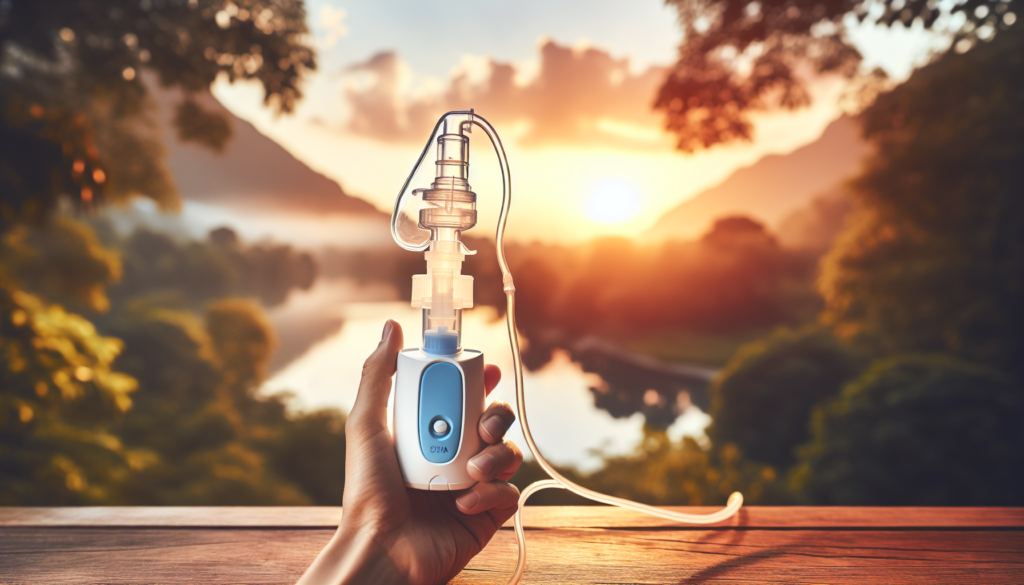

What is the Best Nebulizer for Asthma — Buying Guide
Discover what is the best nebulizer for asthma, types, pros, and how to choose one that may help improve comfort and medication delivery.
What is the Best Nebulizer for Asthma: Complete Guide
- Struggling with symptom flare-ups or finding inhalers hard to use—learn options that may help with delivery and comfort.
- Confused by different nebulizer types and features—get clear guidance to choose a device designed to support daily use.
- Want to avoid guesswork—find the selection criteria and safety tips that can improve comfort and ease of use.
This site may earn commissions from links in this article. This content is informational only and not medical advice. Discuss medication choices and device suitability with your healthcare professional.
Author note: I use nebulizers for post-workout recovery and share practical, runner-focused tips below. Reviewed by: Respiratory therapist (content reviewer).
Why some people with asthma consider nebulizers
Many people struggle with handheld inhaler technique or simply find coordination difficult, which is why some runners, seniors, and parents look at nebulizers as an alternative. For an overview of device categories, see our nebulizer types explained page and check simple breathing resources for complementary techniques.
How nebulizers may help people with asthma
Nebulizers are designed to support medication delivery by turning liquid medicine into a fine mist you can breathe normally—think of it like a fine spray bottle for the lungs. They may help users who find puff-and-hold inhalers tricky, though whether a nebulizer improves symptoms depends on the medication and individual response; always confirm compatibility and follow professional advice, and see maintenance basics at nebulizer cleaning and maintenance and additional background from breathe.
Types of nebulizers for asthma: jet, ultrasonic, and mesh
The three common categories are: jet (compressor) nebulizers that use compressed air, ultrasonic nebulizers that use high-frequency vibrations, and mesh nebulizers that push liquid through a fine mesh. For a deeper comparison with inhalers, visit our nebulizer versus inhaler comparison and see sample device write-ups at Nebulizer.
Practical pros and cons: jet units are robust and usually lower cost but can be noisier and less portable; ultrasonic units are quieter but may not suit all formulations; mesh devices are compact and quiet yet typically cost more and require careful maintenance. Many guides note which types are often recommended for home, travel, or clinic settings—match that to your routine and storage needs.
Comparing options: what is the best nebulizer for asthma?
A Simple Technique People Use Before Bed
A short routine designed to help your body relax and unwind naturally.
- ✔ Easy to learn and takes only a few minutes
- ✔ No equipment or supplements required
- ✔ Popular among people struggling to relax at night
“Best” here means best fit for a specific user’s needs and preferences, not a clinical recommendation. We compared device types using criteria readers often care about: particle size and delivery efficiency, noise level, portability, and ease of cleaning—no clinical testing was performed by this site. For extra reading on technique and comfort, see practical Breathing Techniques.
| Product Type | Key Feature | Noise Level | Portability | Best For |
|---|---|---|---|---|
| Jet (compressor) | Durable, broad compatibility | Moderate–High | Low (plug required) | Home use and family settings |
| Ultrasonic | Quiet, fast nebulization | Low | Medium (tabletop, some portability) | Home users seeking quieter sessions |
| Mesh (portable) | Compact, battery options | Very low | High | Travel, runners, quick top-ups |
How to choose what is the best nebulizer for asthma
Step 1: assess your needs—do you need a plug-in home unit or a battery-powered travel option? Step 2: check medication compatibility on the label and confirm with a pharmacist; not all formulations suit every device. Step 3: test assembly, mask fit, and cleaning ease at home—expect a short learning curve of 1–2 practice sessions. For cleaning tips and parts replacement, see our nebulizer cleaning and maintenance.
Try a realistic in-home trial before committing: set one session up, time the routine (setup ~2–5 minutes, session 5–15 minutes depending on device), and note cleaning time (daily rinse ≈2–5 minutes, weekly disinfection longer). Discuss options with your clinician to ensure the device matches your medication and routine.
Best use cases for nebulizers in asthma management
Common scenarios where people often prefer nebulizers include treating young children who won’t hold an inhaler correctly, helping a senior who has coordination challenges, and for runners needing comfortable recovery breathing after intense sessions. Many users report they prefer a nebulizer for quiet nighttime dosing when a child is drowsy; if you want travel tips, consider battery versus plug options and mask compactness for quick pack-up.
Practical routine example for runners: setup (2–5 minutes), typical session after a hard run (5–10 minutes), quick rinse after use (~2 minutes), and weekly disinfection (10–20 minutes). Expect initial setup and practice for 1–2 sessions; common friction points include mask fit and noise—try alternate mask sizes and location choices (outdoors vs indoors) to reduce disturbance.
Safety and considerations when using a nebulizer for asthma
Follow medication instructions and device manuals closely; always confirm drug-device compatibility with the medication leaflet and your pharmacist or prescriber. Maintain basic infection control: daily rinse and air-dry the medication cup after each use and perform weekly disinfection per manufacturer guidance to reduce contamination risk.
If you or a household member has active respiratory infection symptoms, consult a healthcare professional before sharing or reusing parts. Replace disposable items like masks, mouthpieces, and tubing according to manufacturer guidance and keep spare parts on hand to avoid downtime.
Compressor (jet) home nebulizer
Who this suits: households and runners who want a reliable, general-purpose unit for at-home sessions. Key features: sturdy compressor, wide medication compatibility, simple setup. Pros: robust performance and usually lower upfront cost. Cons: louder during use and less convenient for travel.
Why some people like it: it’s designed to support consistent at-home dosing and can be easier to use for kids or seniors; effects depend on the medication and user. Best for: home comfort and family use. Learn more (affiliate)
Ultrasonic tabletop nebulizer
Who this suits: users seeking quieter sessions at home who value speed. Key features: low noise, fast nebulization, tabletop design. Pros: quieter and often faster than compressor units. Cons: may be less compatible with certain medication formulations and less portable.
Why some people like it: many users report comfortable, quiet sessions for evening or recovery use; effects depend on the medication and user. Best for: quiet home use after runs or at night. Learn more (affiliate)
Portable mesh nebulizer
Who this suits: active runners and travelers who need battery power and small size. Key features: compact, very low noise, battery options. Pros: highly portable and discreet during use. Cons: higher upfront cost and careful maintenance required for the mesh element.
Why some people like it: it may help improve convenience for on-the-go recovery or quick breathing comfort after intense training; effects depend on the medication and user. Best for: travel and day‑to‑day portability. Learn more (affiliate)
Frequently asked questions
What is a nebulizer and how does it differ from an inhaler?
A nebulizer turns liquid medication into a breathable mist, while inhalers deliver a metered dose or powder—both aim to deliver medication to the lungs. Nebulizers may help users who have difficulty with inhaler technique, as they allow normal breathing during delivery. For device contrasts, see our nebulizer versus inhaler comparison.
Can any asthma medication be used in a nebulizer?
Not all formulations are appropriate for every nebulizer; check the medication leaflet and confirm compatibility with your pharmacist or prescriber before nebulizing. Manufacturer instructions and a clinician’s advice are the best sources for compatibility checks.
Are mesh nebulizers quieter and more portable?
Mesh nebulizers tend to be quieter and smaller, which can improve comfort and portability for some users. When prioritizing portability, consider battery life, carrying case size, and maintenance needs like mesh cleaning.
How often should I clean and replace nebulizer parts?
Follow the manufacturer’s cleaning schedule—daily rinses after each use and weekly disinfection are common recommendations. Replace disposable parts like masks or tubing per guidance to maintain hygiene and effectiveness; for cleaning tips see our nebulizer cleaning and maintenance.
Will a nebulizer cure or prevent asthma attacks?
Nebulizers are a delivery method for medications and are not a cure; they may help with medication administration and comfort. Always follow your healthcare professional’s plan for managing symptoms and seek advice if symptoms change.
Sources and further reading
American Lung Association — respiratory health overviews: American Lung Association.
NHS England — respiratory conditions: NHS asthma guidance.
CDC — respiratory health information: CDC respiratory health.
Short affiliate disclosure: We may earn commissions from links on this page. Full disclosure and policy available in the author bio below.