
As an Amazon Associate I earn from qualifying purchases.
What is the Best Portable Nebuliser: Quick Guide
Learn what is the best portable nebuliser for travel, home and daily comfort, with tips that may help you choose the right model.
What is the Best Portable Nebuliser? Complete Guide
Struggling with bulky devices, noisy treatments, or limited mobility? This guide looks at portable nebuliser options that may help restore convenience for runners, commuters, and active people who need quick, discreet breathing support.
- Struggling with bulky devices, noisy treatments, or limited mobility — learn options that may help restore convenience.
- Understand trade-offs like battery life, noise, and medication compatibility to find a model designed to support on-the-go use.
- Get practical steps and selection tips so you can choose a portable nebuliser that may improve comfort and fit your routine.
Affiliate disclosure: we may earn a commission if you buy through links on this page. Our reviews are editorially independent.
Problem: When a portable nebuliser may be useful
Stationary units are great at home but they can be awkward for travel, commuting, or a quick 5‑minute treatment between meetings. A compact unit can make it easier to stick to a routine when you’re out of the house and short on time.
Common frustrations include setup time, noise that draws attention, and devices that need frequent cleaning — all factors that can reduce real‑world use during work, school, or short trips. If you want to learn simple exercises that pair well with short treatments, check general breathing resources like breathing.
What is the best portable nebuliser: quick answer and trade-offs
There’s no single “best” portable nebuliser for everyone; the right pick depends on how you prioritize size, battery life, noise, and medication compatibility. For a commuter, a tiny mesh unit with USB charging may be preferable, while a runner who needs ruggedness might accept slightly larger size.
Key trade‑offs: smaller devices may have shorter runtimes or slower delivery; quieter units may cost more; some technologies handle certain medications better than others. Keep a short checklist handy: device type, ease of cleaning, power source, and medication guidance from the manufacturer.
Types of portable nebulisers explained
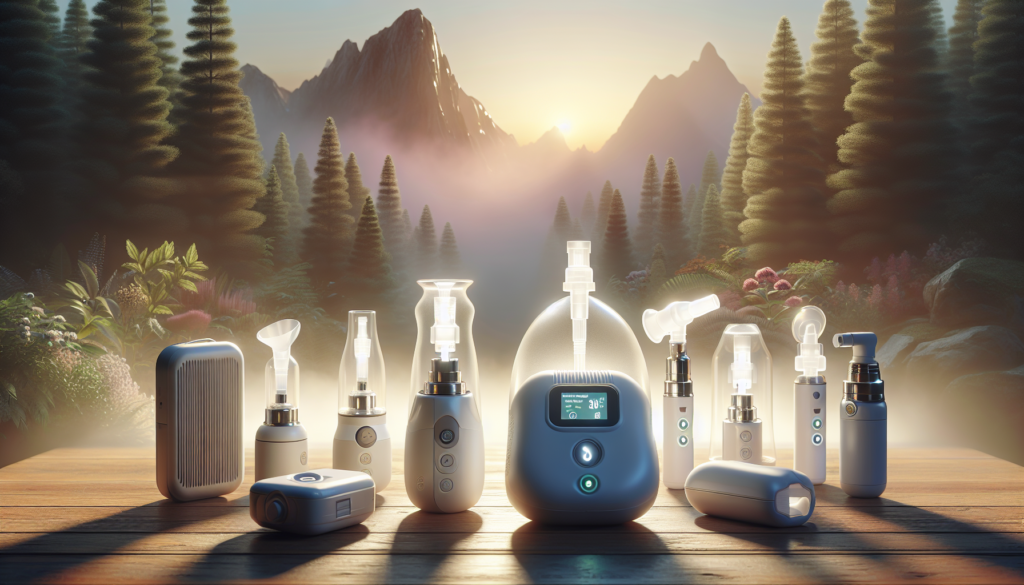
Mesh nebulisers are small, quiet, and often battery‑powered; they create a fine mist and are popular for quick top‑ups during a run or short outings. For a quick read on how they compare to other inhalation options, see a general overview of nebuliser vs inhaler differences and industry commentary like breathe.
Ultrasonic units are efficient and can be fast, but some formulations may not be suitable with every ultrasonic design — always confirm compatibility with the product manual or a pharmacist. Compressor‑style mini units tend to be durable and reliable but can be bulkier and noisier; consider which trade‑off fits your routine.
How to choose what is the best portable nebuliser for you

A Simple Technique People Use Before Bed
A short routine designed to help your body relax and unwind naturally.
- ✔ Easy to learn and takes only a few minutes
- ✔ No equipment or supplements required
- ✔ Popular among people struggling to relax at night
Match device performance to your medication and the particle size your prescriber indicates; smaller particles travel deeper like mist penetrating a tree canopy, while larger drops act more like light rain and settle sooner. Expect a short learning curve — the first 1–3 uses typically help you get comfortable with assembly and cleaning.
For portability, check weight, dimensions, battery type, and charging options such as USB. For usability, evaluate noise level, treatment time, mouthpiece vs mask, and how easy the unit is to clean and pack for a run or a short trip.
Comparison: portable nebuliser types and key features
| Product Type | Key Feature | Noise Level | Portability | Best For |
|---|---|---|---|---|
| Mesh | Small, battery powered | Low | High | Often suitable for short trips and quick top‑ups |
| Ultrasonic | Fast delivery, efficient | Low–medium | Medium | Often suitable for home portability and fast sessions |
| Mini compressor | Reliable across formulations | Medium–high | Medium–low | Often suitable for durable backup use and longer sessions |
Limitations: manufacturer specs and user experiences vary. Real‑world runtime, noise, and delivery may differ from lab claims.
Best use cases for a portable nebuliser
Travel and commuting: choose compact units with USB charging or easy battery swaps for long days on the move; for travel packing tips see internal travel guidance like travel tips for breathing devices and practical articles such as Breathing Techniques.
Work or school: quiet designs and fast treatment times help keep interruptions low; some models tuck into a small case for discreet use between meetings or classes. For elderly or limited‑mobility users, favour easy‑to‑hold units with simple cleaning routines and clear instructions.
Safety, maintenance, and considerations for portable nebulisers
Follow manufacturer cleaning and disinfection guidance to reduce infection risk and keep performance stable; for step‑by‑step cleaning routines consult detailed guides like how to clean a nebuliser and external reviews on Nebulizer equipment care.
Check medication compatibility and product guidance before using any formulation in a device, and follow safe battery handling: avoid extreme temperatures, use the supplied charger, and store units dry. For clinical questions about medications or prescriptions, consult a healthcare professional.
Health disclaimer: this article is informational and not medical advice. For medication compatibility or treatment questions, consult a healthcare professional.
Product options and practical evaluations
Compact mesh unit — for quick, on‑the‑go top‑ups
- Who it’s for: commuters and runners who need a very small, quiet unit for short sessions.
- Key features: light weight, battery or USB power, fine aerosol output designed for portability.
- Pros: very portable, quiet, easy to pack for a run or a short trip.
- Cons: may have shorter run time and smaller medication reservoir — problematic for long day trips.
- Why it may help: offers discreet, fast setups for quick maintenance between activities without bulky gear.
- Often suitable for: quick top‑ups during commutes and post‑run comfort.
- Learn more: see manufacturer specs and compatibility guidance before use.
Ultrasonic portable — for faster sessions at home or on the move
- Who it’s for: people who want faster delivery and lower noise than some compressors.
- Key features: efficient aerosol generation and often compact designs.
- Pros: typically quicker session times, quiet operation for discreet use.
- Cons: some medications or suspensions may not be compatible — check product guidance.
- Why it may help: can shorten treatment time and fit into a busy schedule while remaining relatively portable.
- Often suitable for: frequent daily use where time matters.
- Learn more: review manufacturer instructions and pharmacist advice on compatibility.
Mini compressor-style unit — for durable reliability
- Who it’s for: users who value reliability and broad medication compatibility over absolute compactness.
- Key features: proven compressor technology in a smaller footprint than full home units.
- Pros: robust performance and often wider medication compatibility.
- Cons: can be larger and noisier than mesh or ultrasonic options, and may draw more power.
- Why it may help: serves as a sturdy travel backup or home‑portable hybrid for longer sessions.
- Often suitable for: multi‑day trips where device durability matters more than minimal size.
- Learn more: check user reviews and the product manual for maintenance expectations.
Frequently asked questions
What is the most portable type of nebuliser?
- Mesh nebulisers are often the smallest and lightest, making them highly portable.
- Check battery options and whether the unit supports USB charging for travel convenience.
How do portable nebulisers differ from home units?
- Portable units prioritize size, battery power, and quiet operation over some performance aspects.
- Home units may offer faster treatment times or be more compatible with a wider range of medications.
Can I use a portable nebuliser for all medications?
- Not all medications are compatible with every device type; consult product guidance and a provider.
- Mesh and ultrasonic technologies can behave differently with certain formulations.
Are portable nebulisers noisy?
- Noise varies by type: mesh units tend to be quieter, while compressor‑derived models can be louder.
- Look for decibel ratings or user reviews to assess real‑world noise levels.
How should I clean and store a portable nebuliser?
- Follow manufacturer cleaning steps after each use and perform periodic disinfection as instructed.
- Store dry components in a clean, cool place and keep batteries charged per guidance to preserve lifespan.
Internal links: for more on maintenance see our guide to how to clean a nebuliser, and for travel packing see travel tips for breathing devices. For broader comparisons visit nebuliser vs inhaler differences.
Conclusion
Choosing the best portable nebuliser comes down to matching real‑world needs: how often you’ll use it, whether you need ultra‑quiet operation, and what power options suit your routine. Small mesh units often shine for runners and commuters, ultrasonic models can save time, and mini compressors offer durability.
Start by listing what matters most — size, runtime, noise, and medication guidance — and use that to narrow choices. If you have questions about medication compatibility or prescriptions, consult a healthcare professional before use.