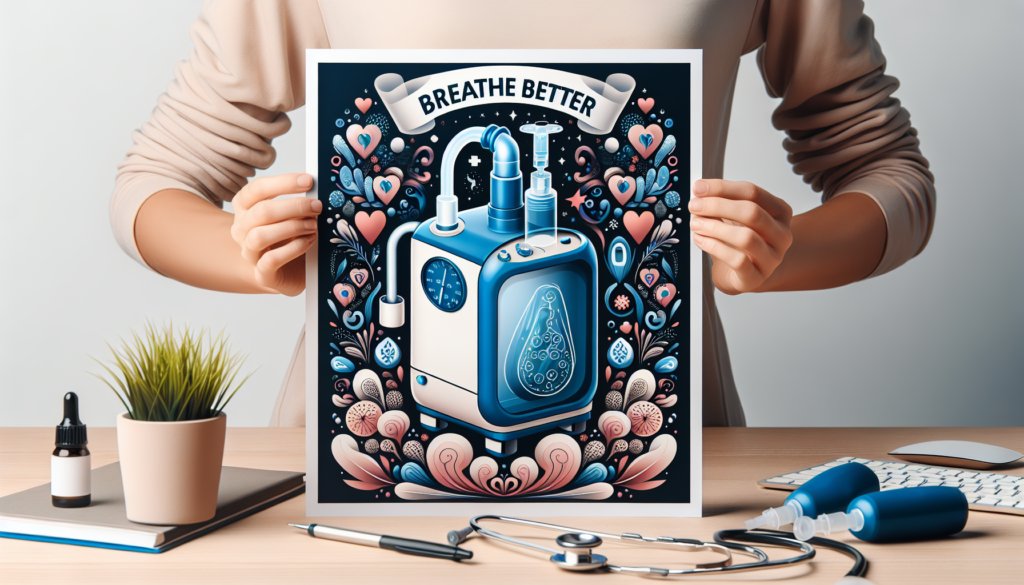

What is the Best Portable Nebuliser: Quick Guide
Learn what is the best portable nebuliser, key features, comparisons, and buying tips to find a device that may help improve comfort on the go.
What is the Best Portable Nebuliser?
If you need a compact device to support breathing comfort while out running errands, travelling, or commuting, portable nebulisers offer convenient options that fit a runner’s lifestyle. This guide breaks down types, features, and real-world trade-offs so you can pick what fits your routine.
- Struggling to manage breathing comfort away from home — learn portable options that may help maintain comfort.
- Confused by features, noise, and battery life — get clear comparisons to find a device designed to support on-the-go use.
- Want simple setup and easy maintenance — discover choices that can improve convenience and user confidence.
Affiliate & safety note: We may earn a commission on purchases made through links in this article. This content focuses on comfort and convenience; for medical advice about medication delivery or treatments, consult device documentation or a healthcare professional.
When a portable nebuliser may be useful
Portable nebulisers can be handy when you want discreet, compact support during a commute, a long run day, or short travel where a plug-in unit isn’t practical. Some users report feeling less stress about managing symptoms when a device is easy to carry and use.
Common scenarios include topping up between training intervals, using a lightweight device for overnight race travel, or keeping a low-noise option in a backpack for public transport. For more background on breathing approaches that pair well with devices, see breathing.
How portable nebulisers work: solution overview
Most portable devices use one of three basic mechanisms: mesh (a vibrating mesh creates a fine mist), ultrasonic (high-frequency vibrations produce aerosol), or small compressors (air is pushed through liquid to form droplets). These descriptions help explain differences in noise and run time without medical claims.
How design affects use: mesh units are often quieter and compact, ultrasonic units can be fast and smooth, and compressors may be bulkier but familiar. A short mini-guide below explains common specs and what they mean in daily use.
How to read specs (quick guide)
Particle size notes: listed specs hint at how fine the mist is and where it tends to settle in the airways, but treat this as a user-facing descriptor rather than a clinical guarantee.
Run time and battery: longer run time means fewer mid-trip charges; check whether batteries are rechargeable or replaceable and how long a typical session lasts per manufacturer guidance.
What is the best portable nebuliser? Types and key features
There isn’t a single “best” model for everyone — think in terms of best for travel, best for low noise, or best for quick sessions. Key features to weigh include particle size consistency, battery life, noise level, and maintenance needs. For user reviews and model comparisons, see Nebulizer.
Trade-offs are common: a very small unit may sacrifice session speed, while a higher-capacity battery often costs a bit more in weight. Decide which factors matter most for your runs and routines.
Comparison: what is the best portable nebuliser for different needs

A Simple Technique People Use Before Bed
A short routine designed to help your body relax and unwind naturally.
- ✔ Easy to learn and takes only a few minutes
- ✔ No equipment or supplements required
- ✔ Popular among people struggling to relax at night
Below is a practical comparison focusing on portability, noise, and where each type tends to shine for runners or travellers. Suitability varies by individual needs and by whether you’re prioritising discretion or session speed. For additional technique ideas, see Breathing Techniques.
| Product Type | Key Feature | Noise Level | Portability | Best For |
|---|---|---|---|---|
| Mesh nebuliser | Quiet, compact | Low — often suitable for a coffee shop conversation | High — small, lightweight | Travel and discreet use between intervals |
| Ultrasonic | Smooth mist, efficient | Low–medium | Medium — slightly larger but still portable | Daily mobility and quick sessions |
| Mini compressor | Robust delivery | Medium — audible hum in quiet rooms | Lower — bulkier, may need a case | Emergency preparedness and longer sessions |
Buying guidance: choose the right portable nebuliser
Start with a checklist: how important is run time, is low noise a must, what charging options are convenient, and how easy is cleaning? Confirm that the device documentation shows compatibility with any medication delivery method you use, and consult a professional if needed. Read our guide on how to choose a nebuliser for more on matching features to priorities.
Ask about warranty coverage, included accessories (masks, cases), and how simple it is to swap batteries or replace consumables. User feedback on build quality and real-world noise is often as informative as specs.
Best use cases for a portable nebuliser
Daily management while commuting, travelling, or during outdoor events where plugging in isn’t practical — a compact unit fits into a running vest, race bag, or carry-on. For example, some runners prefer a small mesh device for a quick top-up between intervals.
Short trips or overnight stays benefit from rechargeable units that pack light, while low-noise models are better for shared spaces like offices or lounges.
Safety, maintenance, and considerations for portable nebulisers
Basic upkeep usually involves a daily rinse of removable parts after use and periodic deeper cleaning as recommended by the manufacturer to help reduce contamination risk. For step-by-step maintenance guidance, see nebuliser maintenance tips.
Store units in a cool, dry place and follow manufacturer advice for battery care — avoid overcharging and keep contacts clean. Consult device documentation or a healthcare professional for personalized guidance rather than relying solely on general information.
Product evaluations: practical picks by use case
Affiliate reminder: We may earn a commission on purchases made through links below. This section highlights comfort and convenience features; confirm compatibility with any prescribed medication delivery via device documentation.
Mesh-style portable unit (compact, quiet)
Who it’s for: Runners and commuters who prioritise discretion and lightweight carry. Quick setup typically takes a few minutes; most users learn a simple session flow after one or two tries.
Key features: very low noise, USB recharge, light weight, simple one-button operation.
- Pros: Quiet in public settings; easy to stow in a running pack; short setup time.
- Pros: Typically low maintenance; good for quick top-ups between intervals.
- Pros: Often comes with a small carry case for travel.
- Cons: Session speed may be slower than larger units.
- Cons: Smaller reservoirs may need more frequent refills on longer trips.
Why it helps: Designed to support discreet, on-the-go use and may be especially useful for topping up between activities. Best for short outings, commuting, and discreet public use.
Ideal user scenario: Lightweight carry for overnight race travel or a quick pre-workout session.
Ultrasonic portable unit (smooth delivery)
Who it’s for: Users who want efficient, quiet misting with slightly faster sessions than the smallest mesh units. Expect a short learning curve for filling and seating parts correctly.
Key features: smooth mist generation, moderate battery life, usually quiet operation.
- Pros: Efficient sessions; generally comfortable to use during a break in training.
- Pros: Often balanced for noise and speed.
- Pros: Straightforward controls and few parts to clean.
- Cons: May be slightly larger than ultra-compact mesh options.
- Cons: Battery life varies by model; check manufacturer run-time claims.
Why it helps: A middle ground for runners who want efficient sessions without a lot of bulk. Best for daily mobility and short travel.
Ideal user scenario: Quick top-ups between training sessions and short travel days.
Mini compressor unit (robust delivery)
Who it’s for: People who prioritise consistent delivery and don’t mind a bit more weight. Setup is familiar to many users of standard compressors and typically takes a few minutes the first time.
Key features: familiar compressor mechanism, steady output, often includes multiple accessory options.
- Pros: Robust performance for longer sessions; widely compatible with accessories.
- Pros: Good for readiness in varied conditions and longer uses.
- Pros: Often includes durable carrying cases for preparedness.
- Cons: Noticeable noise in very quiet environments.
- Cons: Bulkier to carry for running or light travel.
Why it helps: Offers reliable delivery and may be preferred when session duration or accessory compatibility is important. Best for emergency preparedness or extended stays.
Ideal user scenario: Packing into a race kit or overnight bag when durability matters more than minimal weight.
Frequently asked questions about the best portable nebuliser
What is the best portable nebuliser for travel?
Look for compact size, long battery life, and a secure carry case that may help protect the device. Consider low-noise operation and quick charging features to support frequent transit and short stops.
How long does a portable nebuliser battery typically last?
Battery life varies by model and usage; expect differences based on power settings and session length. Choose devices with replaceable or easily rechargeable batteries and check manufacturer guidance for run-time estimates.
Are portable nebulisers noisy?
Noise levels depend on technology (mesh and ultrasonic are often quieter than small compressors). If discretion matters, prioritise models described as low-noise and look for user feedback about real-world sound levels.
How do I clean and maintain a portable nebuliser?
Follow manufacturer cleaning steps for daily rinsing and periodic deep cleaning to help maintain performance. Allow parts to air dry fully and store in a dry, cool place; follow guidance for replacing consumable parts when recommended.
Can a portable nebuliser be used for children or seniors?
Many portable devices are designed to support a range of ages, but check compatibility with prescribed medication delivery methods. Look for easy-to-use masks or mouthpieces and straightforward controls that may help caregivers manage sessions more comfortably.
Conclusion
Choosing the right portable nebuliser comes down to matching features to your routine: pick quiet and compact for commuting, balanced ultrasonic for daily mobility, or a mini compressor for longer sessions and preparedness. Keep maintenance simple, confirm compatibility with any prescribed delivery methods, and rely on manufacturer documentation and user reviews when deciding.
Still unsure? Revisit the checklist in the buying guidance and consult a healthcare professional for questions about medication delivery. Safe travels and happy training.