
What Is the Best Portable Nebuliser: Guide & Tips
Discover what is the best portable nebuliser, how to choose one, compare types and find options that may help improve comfort on the go.
What Is the Best Portable Nebuliser? Complete Guide
Struggling with bulky inhalation devices or inconsistent comfort when you’re away from home? This guide looks at portable nebuliser options, trade-offs and real-world tips so you can pick a device that may fit your routine and gear bag.
Affiliate disclosure: we may earn a commission from links on this page — prices and availability are subject to change. This article is for informational purposes and not medical advice; for treatment questions or medication compatibility, consult your healthcare provider. For background on breathing techniques you may find useful, see this resource on breathing and check device documentation before use. Also see our nebuliser cleaning and maintenance guide for upkeep tips.
What Is the Best Portable Nebuliser? Problem Overview
Common challenges runners and commuters mention include device weight, treatment time, noise and cleaning effort — factors that can influence whether you actually use a device regularly. For example, a runner might pack a compact unit in a vest pocket on long runs but swap it for a quieter model on a café stop if noise is an issue.
How Portable Nebuliser Technology Works
Portable nebulisers typically use one of three mechanisms: mesh, ultrasonic or small compressors to create an aerosol you inhale. Think of particle size like raindrops — larger drops settle near the mouth, smaller drops travel deeper — and that helps explain why output characteristics matter to comfort and perceived effect. For a plain comparison of inhalation devices when weighing options, see our page on choosing the right inhalation device, and read more on device types at breathe.
What Is the Best Portable Nebuliser? Types and Portability
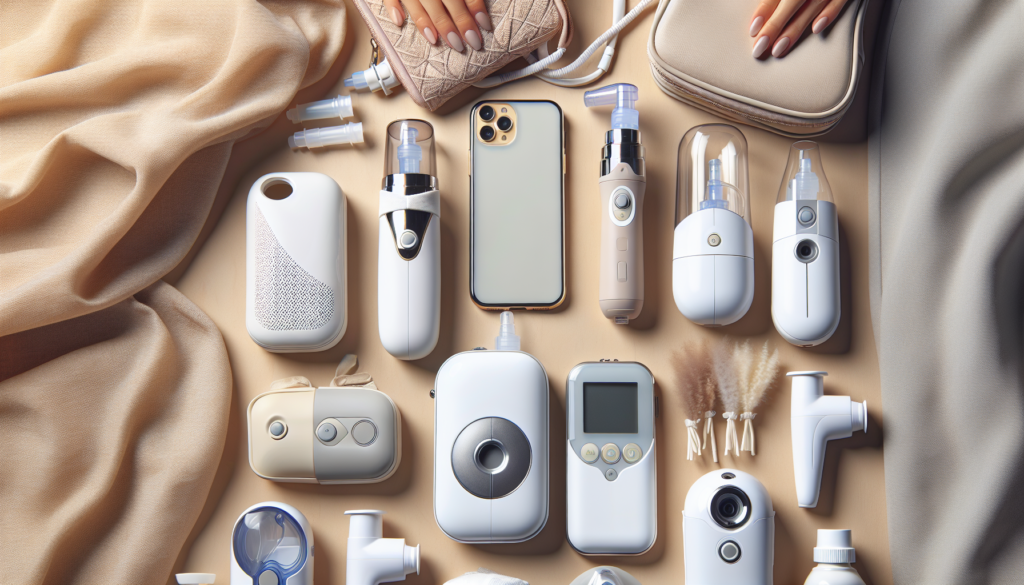
Mesh nebulisers use a vibrating mesh to make aerosol; they tend to be lightweight and quiet, so many runners and travellers like them for commutes and training days. Ultrasonic models can produce aerosol quickly but may be less suitable for some liquid formulations — always check manufacturer notes. Compressor-style mini units can offer steady output but may weigh more than mesh options; if you often pack a device for multi-hour outings, that weight matters.
For product troubleshooting and common fixes, see our portable nebuliser troubleshooting tips and a roundup of device categories at this external site: Nebulizer.
Comparison: Portable Nebuliser Types and Use Cases

A Simple Technique People Use Before Bed
A short routine designed to help your body relax and unwind naturally.
- ✔ Easy to learn and takes only a few minutes
- ✔ No equipment or supplements required
- ✔ Popular among people struggling to relax at night
When comparing models, focus on noise level, battery or power options, maintenance time and what liquids the device supports. A commuter might prioritise discretion (low noise), while a traveller may prioritise USB charging and long battery life. Quick decision tip: pick the single feature that most affects whether you’ll stick to treatments — size, speed, or sound — and let that guide the rest.
| Product Type | Key Feature | Noise Level | Portability | Best For |
|---|---|---|---|---|
| Mesh | Lightweight, quiet | Low | High | Travel and discreet public use |
| Ultrasonic | Fast output, short sessions | Low–Medium | Medium | Short, frequent sessions where compatibility allows |
| Compressor mini | Consistent output, robust | Medium–High | Medium | Home use or occasional travel needing steady performance |
Selection should be based on personal needs and device compatibility—this is not medical advice. For more tips on breathing and technique, you may find this collection useful: Breathing Techniques. Also review our guide on nebuliser cleaning and maintenance before choosing a model.
How to Choose a Portable Nebuliser (Buying Guidance)
Checklist items to weigh: portability (size and weight), compatibility with your prescribed liquids, stated battery life and how easy the device is to clean. Try to imagine a real use: will you charge it the night before a long trip, carry a spare battery, or use it between training sets?
Consider accessories like a carrying case, spare mouthpieces, and clear maintenance instructions from the manufacturer. Practical runner tip: schedule charging and a quick clean into your weekly kit routine so the device is ready when you need it.
Best Use Cases for Portable Nebulisers
Daily symptom management on the go: compact, battery-operated units may make short sessions easier during commutes or between work meetings. A runner might notice a small learning curve in the first week (assembly, short session timing and cleaning), then find the device fits smoothly into warm-up or cooldown routines.
Travel and commuting: choose models with USB charging or swappable batteries if you often board buses or trains. For shared household use, pick units with removable, easy-to-clean parts and follow manufacturer disinfection steps to reduce cross-use concerns.
Safety, Maintenance, and Considerations
Follow manufacturer cleaning and disinfection instructions to reduce contamination risk and keep performance consistent. Most devices recommend daily rinsing of detachable parts and periodic deeper disinfection; check the specific steps for your model and the liquids you plan to use.
Battery and charging safety: use approved chargers, monitor battery life, and store devices according to the maker’s guidance. Note limitations: not every device is compatible with every formulation — check device documentation and the prescribing information for medication compatibility.
This article is for informational purposes and not medical advice. For medication-specific questions, consult your healthcare provider. Affiliate disclosure: we may earn a commission from links in the product section below.
Portable Options to Consider
Compact mesh travel unit
Who it may suit: runners and commuters who prioritise light weight and quiet operation for discreet use on the move.
Key features: very compact form, battery-powered, low noise and simple one-button operation to make quick sessions practical.
- Pros: lightweight and quiet; quick setup; often USB-chargeable.
- Pros: compact enough for a vest pocket or small bag.
- Pros: low perceived noise in cafés or buses.
- Cons: may require careful cleaning of small parts; battery capacity can limit multiple sessions per day.
- Cons: some models have small reservoirs requiring frequent refills.
Why some runners like it: the low noise and small size make it easy to carry for training blocks or travel days. Best for travel and discrete public use. Learn more specs from the manufacturer — See specs. Affiliate disclosure: purchases via links may earn us a commission.
Ultrasonic quick-session model
Who it may suit: users who value shorter sessions and don’t need to use every medication formulation.
Key features: faster aerosol generation, often smooth-feeling output, may shorten session time for compatible liquids.
- Pros: can reduce session time with compatible liquids; generally smooth aerosol production.
- Pros: comfortable for short, frequent sessions.
- Cons: not all medications or suspensions are compatible with ultrasonic technology — check documentation.
- Cons: may be bulkier than the smallest mesh units.
Why some runners like it: shorter sessions help fit treatments into tight routines, such as between sets or before a commute. Best for short-session needs when compatibility is confirmed. Learn more from the manufacturer — See specs. Affiliate disclosure: purchases via links may earn us a commission.
Mini compressor-style unit
Who it may suit: users who want reliable, steady output and are less constrained by ultra-lightweight design.
Key features: consistent aerosol output, often robust build and simple maintenance for home and occasional travel.
- Pros: steady performance over a range of liquids; durable construction.
- Pros: straightforward cleaning steps for many models.
- Cons: generally louder than mesh options; may be heavier to carry.
- Cons: bulkier storage compared with ultra-compact mesh units.
Why some runners like it: dependable output and straightforward upkeep make it a practical home-and-travel compromise. Best for users who value reliability over minimal weight. Learn more from the manufacturer — See specs. Affiliate disclosure: purchases via links may earn us a commission.
Frequently Asked Questions
Are portable nebulisers effective for delivering medication?
Many portable nebulisers are designed to deliver aerosolized medication with particle sizes intended for inhalation, but effectiveness depends on device type, medication formulation and correct use. Check device documentation and the prescribing information for specifics, and consult a clinician if uncertain.
How do I clean a portable nebuliser safely?
Most devices recommend daily rinsing of detachable parts and periodic disinfection; follow the manufacturer’s steps to reduce contamination risk. Use only approved cleaning agents and allow parts to dry fully to reduce contamination. For full steps, see our nebuliser cleaning and maintenance guide and manufacturer instructions.
Can I use all medications with any portable nebuliser?
Not all medications are compatible with every nebuliser technology; check the device documentation and treatment guidance before use. When in doubt, consult the prescribing information or your healthcare provider to confirm compatibility.
How long do portable nebuliser batteries usually last?
Battery life varies by model, usage and session length; some devices provide several sessions per charge while others may need frequent recharging. Look for stated run-time, USB charging and whether spare batteries are an option to suit travel needs.
Are portable nebulisers noisy in public settings?
Noise levels differ by technology: mesh devices tend to be quieter, while compressors may be louder. If discretion matters, prioritise quiet models and check user feedback or noise specs when comparing options.
Conclusion
There isn’t a single “best” portable nebuliser for everyone — the right choice depends on your workflow, how you travel or train, and what liquids you need to use. Prioritise the feature that most affects your adherence (size, noise or speed), follow manufacturer cleaning guidance, and confirm medication compatibility with prescribing information or your clinician. With the right trade-offs, a portable unit may help make on-the-go sessions easier to manage and fit into an active life.