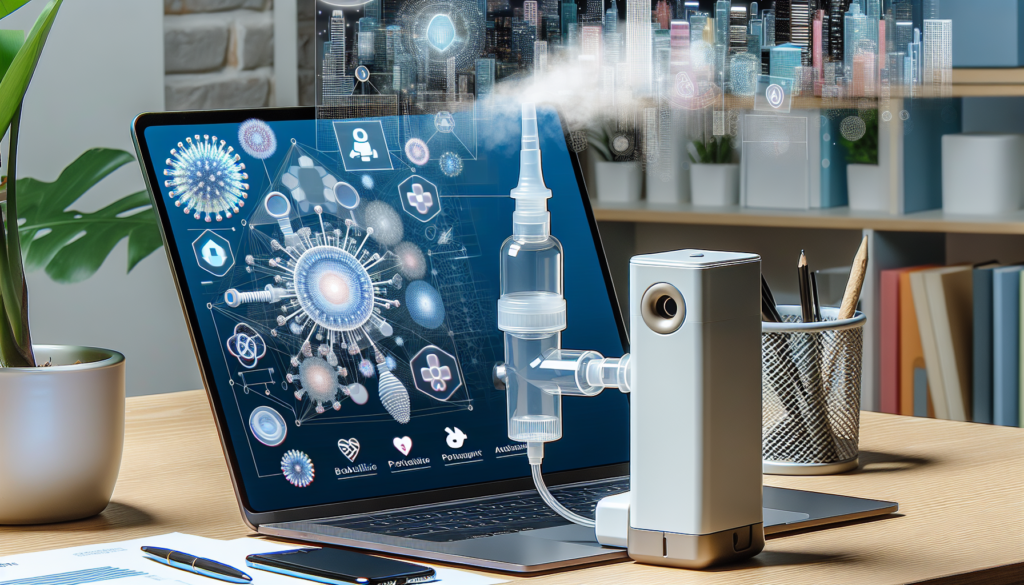

What Is the Best Portable Nebuliser? Quick Guide
Learn what is the best portable nebuliser for travel, home, and daily use — features, comparison, and buying tips to help choose.
What Is the Best Portable Nebuliser: Complete Guide
Struggling to keep breathing comfortable during travel or busy days? This guide breaks down portable nebuliser types, what matters for on-the-go use, and how to match a device to your routine so it may help reduce disruption.
Affiliate disclosure: Some links in this article may earn a commission if you buy after clicking; see our disclosures page for details. For general breathing exercises and background reading, check resources on breathing and how simple techniques can complement device use.
This content is informational and not medical advice — consult a healthcare professional about device suitability and medication compatibility. For practical tips on packing or moving devices safely, see our guide to travel tips for respiratory devices and an overview of portable device choices on breathe.
Why portable nebulisers matter: identify the problem
When you need inhaled therapy or a comfort mist away from home, common challenges are size, battery life, and noise — all of which affect whether you actually use the device. For example, a commuter may only have a 10-minute window between meetings and prefers something discreet and quick.
Small differences in weight or charge cadence change how a device fits a routine; runners or trainers note that extra weight in a pack or short run-time can disrupt runs. If you want more on cleaning and upkeep to avoid surprises, read about nebuliser cleaning and maintenance and practical tips on Nebulizer.
What is the best portable nebuliser? Quick overview
Prioritize three things: delivery method (mesh, ultrasonic, compressor), power source (USB or batteries), and how a device controls particle size for a consistent, fine mist. A compact mesh unit sacrifices some continuous output for silence and size while higher-output portables may be bulkier but faster for longer sessions.
In short, expect trade-offs: ultra-compact models are great for short, discreet uses; higher-output options may suit longer home-ish portability. For everyday breathing comfort and training use, the practical wins are convenience, discreet operation, and predictable dosing patterns; more on fitting devices to routines is in our piece on choosing breathing devices for daily use and more perspective at Breathing Techniques.
Types of portable nebulisers explained
Mesh: imagine a tiny vibrating sieve that shakes liquid into a fine mist — generally quiet and efficient for short sessions. Ultrasonic: uses high-frequency vibrations to make mist and can be quick but sometimes heats the liquid slightly. Compressor-style: forces air through a cup to create mist and often delivers stronger, continuous output but is bulkier and louder.
Each type has pros and cons for travel, home, and intermittent therapy; battery options typically include rechargeable USB-C, replaceable AA/AAA, or mains with an adapter. When in doubt about medication compatibility with a technology, check the manufacturer and consult a clinician before switching devices, and compare notes with product roundups on Nebulizer.
What is the best portable nebuliser for common needs

A Simple Technique People Use Before Bed
A short routine designed to help your body relax and unwind naturally.
- ✔ Easy to learn and takes only a few minutes
- ✔ No equipment or supplements required
- ✔ Popular among people struggling to relax at night
For travel and commuting, look for compact mesh models with USB charging and low noise — you may need quick sessions on trains or between meetings. Runners and trainers should watch weight, carry options, and how easy recharging is during a day of activity.
For home-focused portability where run-time matters, higher-output portable or hybrid units typically give more continuous mist and shorter session times, which some users prefer for evening routines; read more on practical device choices at choosing breathing devices for daily use and background reading at breathe.
Product examples: options for different routines
Ultra-compact mesh option
Who it’s for: commuters, short flights, or gym sessions — typical use: two to three 5–10 minute sessions per day, kept in a small pouch. Key features: very lightweight, near-silent operation, USB charging, simple mouthpiece. Pros: compact, discreet, easy to stash. Cons: lower continuous output for longer sessions and may need more frequent charges. It may help maintain routine comfort during short outings; not intended as a medical treatment — confirm medication compatibility with a clinician. Affiliate note: we may earn from links if you choose to buy.
High-output portable hybrid
Who it’s for: users who need longer runtime on the go or prefer fewer sessions per day — typical routine: one longer 10–15 minute session in the evening and shorter bursts during the day. Key features: stronger mist output, robust battery, carry case. Pros: faster sessions, better for home-like portability. Cons: heavier and louder than ultra-compact models. This style supports users who prioritize session speed over smallest size; not intended as medical treatment — check compatibility with your medication and clinician advice. Affiliate reminder: purchases via links may yield a commission.
Rechargeable ultrasonic travel unit
Who it’s for: occasional travelers and outdoor users who want balance — typical routine: weekend trips with 1–2 sessions per day, stored in travel kit. Key features: quiet ultrasonic mist, splash-resistant housing, USB charging. Pros: smooth mist and decent battery life for short trips. Cons: some formulations may be less suited to ultrasonic technology; check manufacturer guidance. This may help keep comfort levels steady on short trips; not a medical device — confirm with a healthcare professional. Affiliate note: clicking links may support our work.
Comparison: portable nebuliser types and features
Compare particle delivery efficiency, noise, and cleaning ease when you pick a model; weight and dimensions determine how easy it is to carry on runs or in a small pack. For definitions and safety context, see public guidance like breathing resources and independent reviews at Nebulizer.
Quick comparison table:
| Product Type | Key Feature | Noise Level | Portability | Best For |
|---|---|---|---|---|
| Mesh | Quiet, efficient mist | Low (quiet enough for meetings) | Very high (small, lightweight) | Commuters, short sessions |
| Ultrasonic | Smooth mist, fast output | Low–medium | High (moderate size) | Travelers and occasional users |
| Compressor-style | Higher continuous output | Medium–high (noticeable) | Moderate–low (bulkier) | Home-portable, longer sessions |
| Hybrid/High-output | Balance of power and portability | Medium | Moderate | Frequent users who travel moderately |
Note: noise and output categories are general observations; manufacturer-reported specs and user reports vary, so check listings and reviews before purchasing and consult independent sources like Breathing Techniques for model comparisons.
Affiliate reminder: we may earn a commission from links in the product sections; see our disclosures for details and remember to confirm specs and compatibility before buying.
Buying guidance: how to choose a portable nebuliser
Checklist: battery type and run-time, ease of cleaning, noise level, size/weight, and reported compatibility with your medication. Ask about warranty, parts availability, and whether masks or mouthpieces are included for your preferred use pattern.
Before deciding, test how a device fits your routine by reading user reviews and product Q&A for fit, noise in real settings, and charge behavior; pair that with hands-on trial at home when possible and cross-check cleaning basics at nebuliser cleaning and maintenance and external reviews at breathe.
Safety & considerations for portable nebuliser use
Follow manufacturer cleaning and maintenance instructions to reduce contamination risks; quick cleaning after each use plus deeper weekly care is commonly recommended. For general respiratory hygiene and cleaning context, see public health pages such as breathing.
Store medications and device parts in a dry, cool place and avoid leaving batteries exposed to heat. If you have prescription medication, confirm with the prescribing clinician or pharmacist whether your chosen device is compatible before using — not all devices suit every medication formulation.
Best use cases and maintenance tips
Everyday scenarios: a commuter needing a discreet 10-minute session between meetings, a weekend hiker who wants a splash-resistant compact unit, or a runner who carries a tiny mesh unit for occasional post-run comfort. Runners should test fit and weight on short runs and pack an extra charge or battery for longer sessions.
Maintenance schedule: quick rinse of detachable parts after each use, air-dry on a clean surface, and a weekly deeper clean per manufacturer guidance. For packing, use a padded pouch, keep mouthpieces sealed, and run a quick test before a long trip — see our travel checklist in travel tips for respiratory devices and gear notes at Nebulizer.
Methodology note
How we framed this guide: priorities were delivery method, power source, noise, portability, cleaning, and real-user routine fit. Recommendations emphasize practical outcomes and user scenarios rather than medical claims; we reviewed manufacturer specs, independent reviews, and user reports to highlight trade-offs — your mileage may vary.
FAQ
What features should I look for in a portable nebuliser? Prioritize battery life, ease of cleaning, and delivery method (mesh vs. ultrasonic vs. compressor); also consider size, weight, and noise to match your lifestyle and typical use settings. For cleaning specifics, consult nebuliser cleaning and maintenance and related reviews at Breathing Techniques.
Are portable nebulisers safe for children? Some devices are designed for pediatric use, but check compatibility with prescribed medication and manufacturer age guidance. Speak with a clinician or pharmacist about child-specific suitability and follow cleaning instructions; general breathing resources are available at breathing.
Can portable nebulisers run on batteries or USB power? Many modern portables offer rechargeable batteries or USB charging for travel convenience; check expected run-time and charging speed to ensure it fits your routine and test recharge behavior before long trips. See travel pointers at travel tips for respiratory devices and gear write-ups at Nebulizer.
How often should I clean a portable nebuliser? Quick cleaning after each use and deeper disinfection weekly is a common approach; follow the device instructions to reduce contamination and maintain performance. For step-by-step manufacturer guidance, consult your device manual and public cleaning guidance like breathe.
Will a portable nebuliser work with my prescribed medication? Not all devices are suitable for every medication formulation; check device compatibility guidance and confirm with your prescribing clinician or pharmacist before switching devices. For general device choice context, see our daily-use guide at choosing breathing devices for daily use and external overviews at Nebulizer.
Conclusion
“Best” depends on your routine: if you want the smallest, quietest option for short bursts, a compact mesh unit may be best for commuting; if you need faster sessions or longer run-time, consider higher-output portable or hybrid models. Test fit, check cleaning needs, and confirm medication compatibility with a healthcare professional before switching devices.
For practical next steps, make a short checklist: trial a unit at home, confirm run-time against your typical session lengths, pack a charging plan for trips, and keep cleaning supplies handy. If you want more on upkeep, our nebuliser cleaning and maintenance guide has stepwise tips, and our travel notes at travel tips for respiratory devices cover packing and protection.