
Recommended picks
This article may include affiliate links. If you click and buy, we may earn a commission at no extra cost to you.

4.6 rating 14,100 reviews
Check on Amazon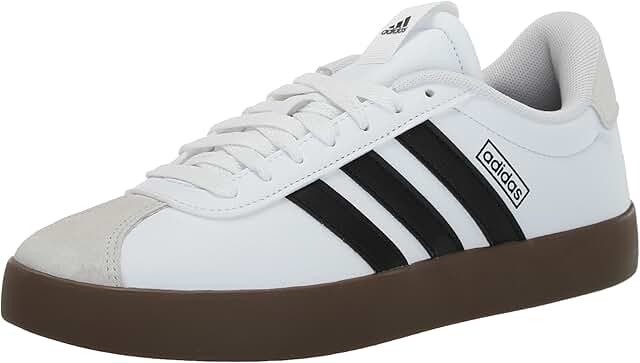
4.5 rating 12,800 reviews
Check on Amazon
4.6 rating 5,200 reviews
Check on AmazonQuick answer
Focus on practical, beginner-friendly deep breathing techniques for lung support, with clear instructions, benefits, safety tips, and when to seek medical advice.
Key takeaways
- What are the best deep breathing exercises for lung health?
- How often should I do breathing exercises for my lungs?
- Can deep breathing help with shortness of breath?
- Which breathing techniques are safest for beginners?
Deep Breathing Exercises to Support Lung Health and Easier Breathing
A practical guide to simple techniques, when to use them, and how to build a safe daily routine for better respiratory comfort.
Deep breathing exercises can be a simple way to support calmer, more efficient breathing. When practiced consistently, they may help you become more aware of your breath, relax tense breathing muscles, and use your lungs more comfortably during daily activities.
Below, you’ll find beginner-friendly techniques, step-by-step instructions, and safety tips so you can build a routine that feels manageable and supportive.
What deep breathing does for the lungs

A Simple Technique People Use Before Bed
A short routine designed to help your body relax and unwind naturally.
- ✔ Easy to learn and takes only a few minutes
- ✔ No equipment or supplements required
- ✔ Popular among people struggling to relax at night
Deep breathing encourages fuller breaths than the shallow breathing many people fall into during long periods of sitting, stress, or inactivity. That can help the chest expand more comfortably and support smoother air movement in and out of the lungs.
For many people, the main benefits are not about “fixing” the lungs, but about improving breathing efficiency, reducing tension, and making it easier to slow the breath when needed. This can be especially helpful if you notice your breathing becomes quick or shallow during busy days.
Breathing patterns matter because the way you breathe can affect how relaxed you feel and how much effort breathing seems to take. Gentle practice may also support better breath control during walking, climbing stairs, or other everyday tasks.
Who may benefit from these exercises
Deep breathing exercises may be useful for people who feel mildly short of breath during routine activity, older adults looking for gentle lung-support habits, and anyone who wants better control over their breathing.
They can also be a helpful reset for people recovering from inactivity or long periods of stress, when breathing tends to become shallow and less intentional.
These exercises are supportive, not a cure for lung disease. If you have a diagnosed respiratory condition, use them as part of a broader care plan rather than a replacement for medical treatment.
How to prepare before you start
Choose a quiet, comfortable position. You can sit upright, stand with relaxed posture, or lie down if that feels easier. The goal is to reduce strain so you can focus on the breath.
Before you begin, relax your shoulders, jaw, and neck. If possible, breathe through your nose and avoid forcing the breath in or out. A smooth, gentle rhythm is usually more helpful than taking the deepest breath possible.
If you feel dizzy, develop chest pain, or notice unusual discomfort, stop the exercise and return to normal breathing. If symptoms do not settle, seek medical advice.
Diaphragmatic breathing
Diaphragmatic breathing, sometimes called belly breathing, is one of the best deep breathing exercises for lungs because it helps you practice using the diaphragm more effectively.
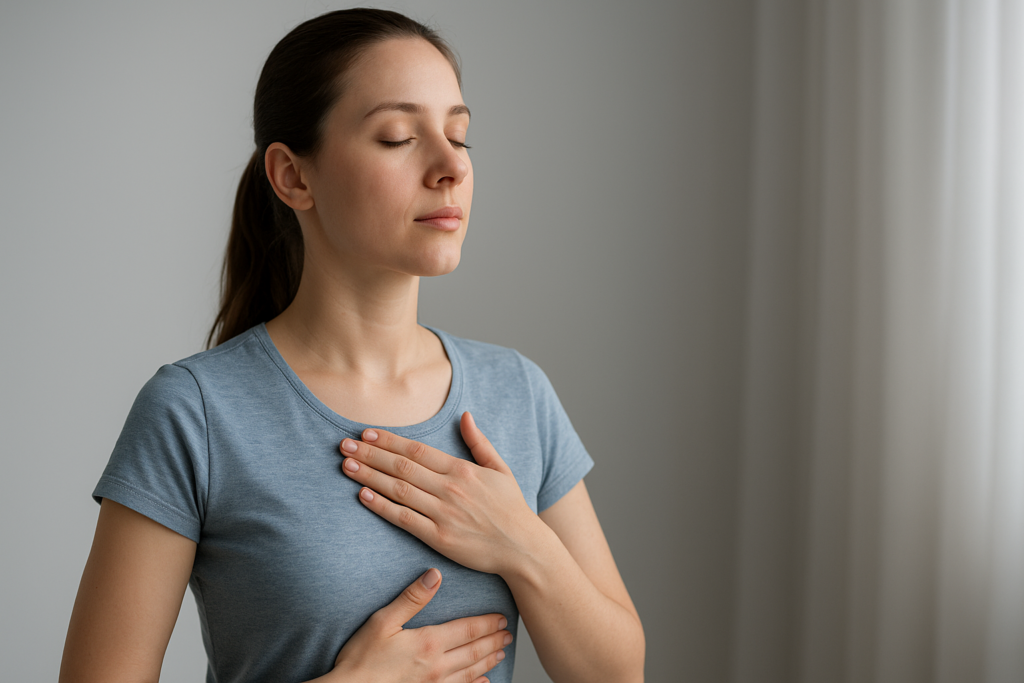
- Sit or lie in a comfortable position and place one hand on your chest and the other on your abdomen.
- Inhale slowly through your nose so the hand on your abdomen rises more than the hand on your chest.
- Exhale gently through your mouth or nose, letting your abdomen fall naturally.
- Repeat for several breaths, keeping the pace slow and relaxed.
The inhale should feel steady and unforced, and the exhale should feel controlled rather than rushed. If your shoulders lift or your chest moves a lot, you may be breathing too high in the chest.
Common mistakes include holding the breath too long, tightening the stomach, or trying to take overly large breaths. Aim for comfort and consistency instead.
Pursed-lip breathing
Pursed-lip breathing is a simple technique that can help slow your breathing and make exhalation feel more controlled. It is often used when someone feels short of breath or wants to recover after exertion.
- Inhale slowly through your nose for about two counts.
- Purse your lips as if you were gently blowing out a candle.
- Exhale slowly and steadily for about four counts.
- Keep the exhale longer than the inhale without forcing it.
This technique may help reduce the feeling of air trapping and can be especially useful during walking, climbing stairs, or other activities that make breathing feel harder.
Box breathing for calm control
Box breathing uses a simple 4-4-4-4 rhythm: inhale for four counts, hold for four, exhale for four, and hold again for four. It is a structured method that can help you stay aware of your breathing pattern.
Because it adds clear timing, box breathing may be a good option for beginners who like routine and want a technique that feels easy to remember. It can also support relaxation when stress is making your breathing feel fast or uneven.
If holding the breath feels uncomfortable, shorten the pauses or skip them entirely. The exercise should feel calm and controlled, not strained.
Segmented or paced deep breathing routines
Segmented breathing combines a slow inhale, a brief pause, and a longer exhale. This can help you build a short routine that feels more intentional without becoming overwhelming.
A simple 3- to 5-minute routine might look like this:
- Inhale slowly through the nose for 3 to 4 counts.
- Pause briefly for 1 to 2 counts if comfortable.
- Exhale for 4 to 6 counts.
- Repeat at a pace that feels smooth and easy.
Start with a short session and increase duration gradually if it feels comfortable. The goal is to build tolerance and consistency, not to push through strain.
How often to practice for best results
For beginners, 3 to 5 minutes once or twice a day is often enough to start. More experienced users may prefer a slightly longer routine, but consistency matters more than intensity.
Try fitting breathing practice into a morning routine, a work break, or a wind-down session before bed. Linking it to an existing habit can make it easier to remember.
If you practice regularly, you may find it easier to notice when your breathing becomes shallow and to reset it before discomfort builds.
Safety tips and when to get medical advice
Stop the exercise right away if you feel chest pain, severe shortness of breath, fainting, or symptoms that worsen instead of improving. Those are signs that you should not push through the routine.
People with asthma, COPD, heart disease, recent surgery, or other medical conditions should consult a clinician before starting new breathing exercises. Some techniques may need to be adapted to your situation.
Persistent shortness of breath, wheezing, coughing that does not improve, or breathing changes that interfere with daily life should be evaluated by a healthcare professional. Breathing exercises can be supportive, but they are not a substitute for diagnosis or treatment.
Frequently asked questions
What is the best deep breathing exercise for lung health?
Diaphragmatic breathing is often a good starting point because it encourages fuller, more efficient breaths and is easy to learn. Pursed-lip breathing can also be helpful, especially if you feel short of breath.
How long should I do breathing exercises each day?
Many people start with 3 to 5 minutes once or twice a day and gradually increase as comfortable. The best routine is one you can do consistently without strain.
Can deep breathing improve lung capacity?
Deep breathing may help you use your breathing muscles more effectively and improve control, but it does not necessarily increase lung size. It can still support easier, more comfortable breathing.
Is it normal to feel dizzy during breathing exercises?
Mild dizziness can happen if you breathe too quickly or too deeply. If that occurs, stop, return to normal breathing, and try a gentler pace next time. If symptoms persist, seek medical advice.
Should I do these exercises if I have asthma or COPD?
Some breathing exercises can be helpful, but people with asthma, COPD, or other lung conditions should ask a healthcare professional which techniques are appropriate for them.
Build a routine you can actually keep
The best breathing practice is the one you can repeat without stress. Start small, keep the movements gentle, and focus on comfort rather than perfection. Over time, a short daily routine may help you feel more in control of your breathing and more aware of how your body responds.
Explore more breathing exercises for lungs, or read our guides on diaphragmatic breathing, pursed-lip breathing benefits, box breathing technique, how to reduce shortness of breath, and lung health tips.
Try one simple breathing exercise today and build a short daily routine to support calmer, easier breathing.
Affiliate disclosure
This article may include affiliate links. If you click and buy, we may earn a commission at no extra cost to you.
Medical disclaimer
This content is for informational purposes only and is not medical advice. Consult a clinician or respiratory therapist for device and medication selection, and always follow manufacturer instructions for cleaning, maintenance, and approved medications.
Comparison snapshot
| Product | Rating | Reviews | Availability |
|---|---|---|---|
| Men's KnitFlex Breeze Mesh Sneakers Oxfords Lace-Up Lightweight Casual Walking Shoes | 4.6 | 14,100 | Available from Amazon |
| adidas Women’s VL Court 3.0 Sneaker | 4.5 | 12,800 | Available from Amazon |
| Nike Women's Court Vision Low Next Nature Shoes | 4.6 | 5,200 | Available from Amazon |
| Mens Running Shoes Slip On Tennis Walking Sneakers Workout Athletic Lightweight Casual Sport Shoes | 4.2 | 909 | Available from Amazon |
| Women's Charged Surge 4 Running Shoe | 4.5 | 5,600 | Available from Amazon |
Pros and cons
Pros
- Clearer shortlist for deep breathing exercises for lungs.
- Helps compare trade-offs before buying.
- Includes editorial review checkpoints.
Cons
- Pricing and availability should be verified on Amazon.
- Best choice depends on your use case.
- Product listings may change after publication.
Frequently asked questions
What is the best deep breathing exercise for lung health?
Diaphragmatic breathing is often a good starting point because it encourages fuller, more efficient breaths and is easy to learn. Pursed-lip breathing can also be helpful, especially if you feel short of breath.
How long should I do breathing exercises each day?
Many people start with 3 to 5 minutes once or twice a day and gradually increase as comfortable. The best routine is one you can do consistently without strain.
Can deep breathing improve lung capacity?
Deep breathing may help you use your breathing muscles more effectively and improve control, but it does not necessarily increase lung size. It can still support easier, more comfortable breathing.
Is it normal to feel dizzy during breathing exercises?
Mild dizziness can happen if you breathe too quickly or too deeply. If that occurs, stop, return to normal breathing, and try a gentler pace next time. If symptoms persist, seek medical advice.
Should I do these exercises if I have asthma or COPD?
Some breathing exercises can be helpful, but people with asthma, COPD, or other lung conditions should ask a healthcare professional which techniques are appropriate for them.