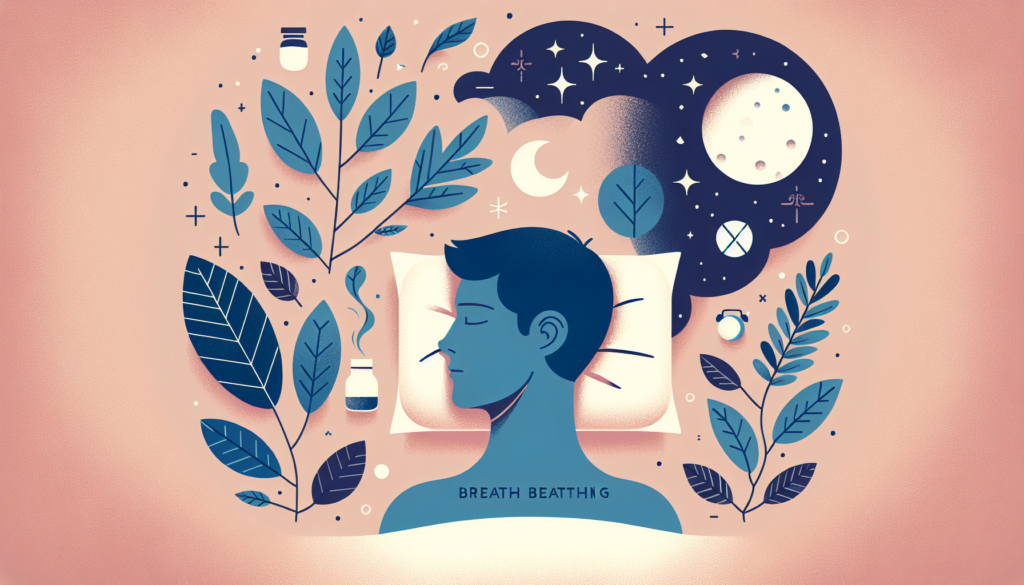

Best Breathing for Sleep: Techniques & Tips
Explore the best breathing for sleep techniques and tips that may help improve comfort, relaxation, and nighttime routines.
Best Breathing for Sleep: Techniques, Tips, and Guidance
Many runners and busy people struggle with restless nights tied to shallow breaths, tension, or noisy rooms — this guide looks at breathing approaches that may help promote relaxation and bedtime comfort. “Best” here is subjective: the right choice depends on your goals (relaxation, habit building, or airflow support) and personal response.
I’ll share short real-world vignettes: a traveler using a 5‑minute paced breathing routine in hotels, a runner using diaphragmatic breathing after an evening workout to downregulate, and a busy parent using guided audio to wind down in bed. Expect a short learning curve — most people report initial awkwardness and adapt over 1–2 weeks of nightly 5–10 minute practice.
Affiliate disclosure: We may earn a commission from linked products; this doesn’t affect our recommendations. For ideas on calming routines, see a simple bedtime relaxation routine and general breathing resources like breathing.
Common breathing-related sleep problems (problem awareness)
Signs that breathing may be disrupting sleep include shallow chest breaths, frequent restlessness, or waking with gasps; these are cues to try gentler pacing and posture adjustments. For practical posture tips, check our piece on how posture affects breathing and reference calming reads on breathe.
Daytime stress, tight neck and chest muscles, and poor evening habits (screens, caffeine) can shift night breathing patterns — experimenting with a calm pre‑sleep window 30–60 minutes before bed often helps. If you want simple breathing primers, explore our breathing exercises for anxiety article and related guides like Breathing Techniques.
best breathing for sleep: overview of gentle techniques
Diaphragmatic breathing (belly expands rather than the chest), paced breathing, and the 4‑7‑8 pattern are common, each aimed at slowing breath rate and supporting relaxation. Read an approachable primer on diaphragm-focused practice and practical cues in public guides like breathing, and pair techniques with a bedtime relaxation routine.
Session length and frequency matter more for habit than for immediate effects: start with 5–10 minutes nightly and increase if it feels helpful; many people notice perceived calm within minutes. For structured sessions try guided recordings or simple timers; see examples on trusted resources like breathe.
Entry‑level routines: seated diaphragmatic breaths for 5 minutes, a paced 4‑4 inhale/exhale cycle, or a single 4‑7‑8 set while propped in bed. If you travel, a short hotel routine can be done seated before lying down — and you can learn more about portable breathing supports under how posture affects breathing and product roundups like Nebulizer.
Breathing practice categories and supportive tools
Manual techniques include guided breathwork (audio or live), counting patterns, and body‑position cues; these are low‑cost options designed to support relaxation and habit building. For background on technique types, see practical summaries such as breathing exercises for anxiety and general resources like breathing.
Digital aids — apps and audio guides — can structure sessions and remind you to practice. Choose quiet apps with simple timers if you’re sensitive to noise; many runners appreciate short guided tracks for post‑run cooldowns. Explore technique playlists on sites like breathe and pair them with a bedtime relaxation routine.
Physical supports such as supportive pillows, nasal strips, or humidifiers are lifestyle tools that may improve perceived nighttime comfort in some environments. These aids are comfort or training tools — see impartial reviews like Nebulizer and general product info about Breathing Techniques.
How to choose the best breathing for sleep (buying guidance)

A Simple Technique People Use Before Bed
A short routine designed to help your body relax and unwind naturally.
- ✔ Easy to learn and takes only a few minutes
- ✔ No equipment or supplements required
- ✔ Popular among people struggling to relax at night
Match your primary need — relaxation, habit building, or airflow support — to a technique or tool. For habit builders, simple apps and short audio guides are often helpful; for comfort in dry rooms, a humidifier may suit you better. Compare needs against practical factors like noise and portability, and consult neutral resources like breathing exercises for anxiety and product writeups such as Nebulizer.
Assess ease of use, portability, and noise level for bedroom‑friendly options. Start simple: trial short nightly routines and track perceived comfort and sleep quality over two weeks. For more routine-building tips see our bedtime relaxation routine guide and technique overviews at breathe.
Comparison: breathing methods and supportive devices
Compare practical factors — individual response varies; no guaranteed sleep outcomes. Below is a quick table to weigh ease of learning, time required, noise level, and portability when choosing between techniques and aids. For background on breathing approaches, consult sports physiology reviews or public resources like breathing.
| Product Type | Key Feature | Noise Level | Portability | Best For |
|---|---|---|---|---|
| Manual technique (diaphragmatic) | Low‑cost, no device | Silent | Highly portable | Relaxation and habit building |
| Digital aids (apps/audio) | Guided sessions, timers | Low–medium (audio) | Portable (phone) | Structured practice |
| Physical supports (pillows/humidifiers) | Airflow/comfort focus | Low–medium (fan/humidifier) | Less portable | Bedroom comfort |
Affiliate reminder: We may earn a commission from linked products; this doesn’t affect our recommendations. For non‑product options, explore free practice ideas like our breathing exercises for anxiety and technique primers on breathe.
Best use cases: who may benefit most
People looking to calm pre‑sleep routines and reduce bedtime tension often find paced or diaphragmatic techniques useful; they’re simple to practice and easy to adapt after runs. For travel-friendly approaches, consider short app sessions and portable tips in our bedtime relaxation routine and resources like Breathing Techniques.
Those who travel or sleep in variable environments can benefit from portable or app‑based practices that don’t rely on room setup. Runners using breathing after workouts sometimes report better perceived downregulation; try a few guided tracks from sites like breathe.
Pairing breathing routines with other sleep hygiene habits — consistent bedtime, low lighting, and screen reduction — may change perceived effectiveness. Try practicing 30–60 minutes before bed rather than while drowsy, and read tips on posture that affect breathing in our piece about how posture affects breathing and public guides such as breathing.
Safety and considerations when trying breathing for sleep
Avoid forcing breaths or breath‑holding; gentle, natural pacing is recommended. Stop any technique that causes dizziness, lightheadedness, or increased shortness of breath and seek care if you experience chest pain, fainting, or severe breathlessness; more safety tips are available from public health pages like breathing and guidance on posture at how posture affects breathing.
Medical disclaimer: This article is for informational purposes and is not medical advice. If you have a diagnosed respiratory, cardiac, or other health condition, consult your healthcare provider before trying new breathing routines or devices. For additional context about devices and comfort aids, review neutral product resources such as Nebulizer.
Manual practice: guided paced breathing (comfort/training tool)
Who it may suit: people who prefer no‑tech routines and want a low‑cost way to practice breathing before bed. Not a medical device — for comfort or training purposes only.
Key features: simple counting patterns, seat or bed options, no equipment. Many runners use this after easy evening runs to downregulate. Learn more about related practices in our breathing exercises for anxiety guide and in external primers like breathe.
Pros: silent, portable, free; can be tailored to short sessions. Cons: initial awkwardness, requires practice to feel natural; minimal hands‑on guidance. Why it helps: it encourages slower, fuller exhales and reduces perceived tension. Best for: habit builders and minimalists. Learn a short routine to try tonight on our bedtime relaxation routine page and explore supportive reads like breathing.
Digital aids: guided apps and audio (comfort/training tool)
Who it may suit: people who want structured sessions and gentle coaching without an instructor. Not a medical device — for comfort or training purposes only.
Key features: timers, guided voice tracks, reminders. Pros: easy structure, helpful for habit formation; many tracks are short and travel‑friendly. Cons: potential audio noise, dependence on device battery; some apps have learning curves. For app-less options, try a short manual set from our breathing exercises for anxiety article and sample audio suggestions at breathe.
Why it helps: provides pacing and reduced mental effort to time breaths. Best for: travelers and people who prefer guided sessions.
Physical supports: pillows, nasal strips, humidifiers (comfort tool)
Who it may suit: sleepers who notice room dryness, mild nasal congestion, or positional airway discomfort. Not a medical device — for comfort or training purposes only.
Key features: targeted at airflow and bedding comfort rather than breathing technique. Pros: passive support, can improve perceived nighttime comfort; useful in variable environments. Cons: may produce noise (fans/humidifiers), can be less portable than phone apps. For product comparisons and impartial writeups see reviews like Nebulizer and technique context at how posture affects breathing.
Why it helps: reduces friction points and environmental irritants that can interrupt restful breathing. Best for: people focused on bedroom comfort rather than guided training.
Comparison: when techniques beat devices (brief note)
When non‑device breathing may be preferable: you want silent practice, zero cost, maximum portability, or are building a habit without relying on tech. For device considerations like noise and portability, consult neutral reviews such as Breathing Techniques and practical how‑tos like our bedtime relaxation routine.
FAQ
What is the best breathing technique for sleep?
There isn’t a single best method for everyone; diaphragmatic breathing and paced patterns like 4‑7‑8 are commonly used and may help. Try short nightly trials and refer to technique primers like breathing and our breathing exercises for anxiety page.
How long should I practice breathing before bed?
Begin with 5–10 minutes of guided or paced breathing and adjust based on how it affects your comfort; short consistent practice most nights can support habit formation. For routine ideas, visit our bedtime relaxation routine and listen to sample tracks on sites like breathe.
Are breathing devices useful for sleep?
Some devices and physical supports are designed to improve airflow or remind you to pace breathing and may improve comfort; consider noise, portability, and ease of use. See impartial overviews such as Nebulizer and our comparison notes on how posture affects breathing.
Can breathing exercises be harmful at night?
Most gentle breathing practices are low risk, but forcing breaths or breath‑holding can cause dizziness or discomfort. If symptoms persist, pause the practice and consult a healthcare provider; public safety info can be found at breathing.
How do I know if a breathing method is helping my sleep?
Track subjective measures like time to fall asleep, number of awakenings, and how rested you feel in the morning. Use short trials and consistent monitoring to compare perceived outcomes; see habit tips in our bedtime relaxation routine and technique writeups like breathe.
Affiliate disclosure (again): We may earn a commission from products linked above; this doesn’t affect our recommendations. Remember that breathing practice alone is a free option and worth trying before buying aids — for product context, check resources like Nebulizer.
Conclusion
Breathing approaches for sleep are practical tools that may help improve nighttime comfort and relaxation; try short nightly trials, keep expectations realistic, and pair practice with good sleep habits. For more how‑tos, try our bedtime relaxation routine and read introductory resources like breathing.