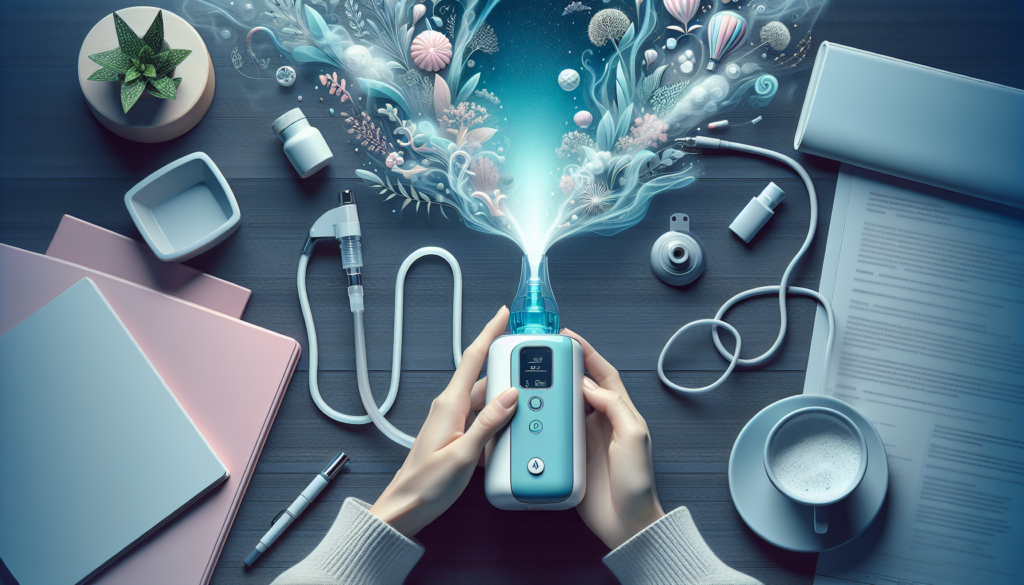

What Is the Best Portable Nebuliser? Quick Guide
Learn what is the best portable nebuliser, how to choose one, compare types, and find safe, practical options that may help improve breathing comfort.
What is the best portable nebuliser
Struggling with bulky devices, noisy treatments, or limited mobility? Learn portable options that may help restore convenience in daily life and training routines.
- Struggling with bulky devices, noisy treatments, or limited mobility? Learn portable options that may help restore convenience.
- Find clear criteria to compare models so you can choose a device designed to support on-the-go therapy and daily ease.
- Understand safety, cleaning, and real-world use cases to pick a portable nebuliser that can improve comfort and fit your routine.
Affiliate disclosure: We may earn a commission from links; this does not affect our recommendations.
Not medical advice: This article is informational and not a substitute for professional medical guidance—consult a healthcare professional about medications or medical conditions.
Common problems that make people look for a portable nebuliser
Many runners and active people move between home, work, and workouts and find tabletop compressors cumbersome for travel or quick use. For a commuter or someone packing a gym bag, smaller units can be easier to stash and set up.
Traditional compressors can be noisy and take longer per session, which creates friction for daily use or discreet treatments during a break. If you want less disruption during a short training break, quieter options are worth considering; for overview of device differences see nebuliser vs inhaler: key differences.
People juggling childcare or outdoor activities often need a device that’s light, fast to load, and battery-powered. For tips on fitting a device into trips and outings, see travel tips for using a nebuliser.
For general breathing techniques to complement device use, check resources on breathing.
Solution overview: how a portable nebuliser may help
Portable nebulisers are built to reduce size and simplify setup: many run on batteries, fit in a small case, and use mouthpieces or compact masks for quick sessions.
Quieter operation and shorter sessions can make treatments less intrusive in daily life and may improve the chance you actually use a device when needed. That said, these are usability benefits rather than medical claims, and you should check medication compatibility before buying; authoritative guides on practical device choice can help.
Limitations to expect include smaller medication reservoirs and variable run time—trade-offs that matter if you travel for multiple days or need longer sessions. For broader reading on how people use devices and product reviews, see Nebulizer overviews and buyer summaries.
What is the best portable nebuliser: types and how they differ
Mesh nebulisers use a vibrating mesh to create a fine mist; they’re typically compact, quiet, and lightweight, making them a popular choice for runners who want something that fits in a kit bag.
Ultrasonic devices generate vapor via high-frequency sound waves and can be very quiet and fast, though compatibility with different medication forms may vary—always check the device manual for specifics before use.
Compressor-style portable units mimic classic tabletop compressors in a smaller package; they can be robust and reliable but are sometimes bulkier or louder than mesh or ultrasonic options.
Quick primer: nebulisers turn liquid medication into an inhalable mist—think of particle size like spray fineness. Finer mist tends to feel like a light spray, while larger droplets are more noticeable; particle characteristics affect where the mist lands in the airway but are technical specs best reviewed in product manuals and clinician guidance.
What is the best portable nebuliser: comparison and selection guide

A Simple Technique People Use Before Bed
A short routine designed to help your body relax and unwind naturally.
- ✔ Easy to learn and takes only a few minutes
- ✔ No equipment or supplements required
- ✔ Popular among people struggling to relax at night
Important selection criteria include particle size (as listed by the manufacturer), medication compatibility, battery run time, and how easy the device is to clean. These technical details shape real-world fit more than brand hype.
Practical trade-offs often center on noise versus battery life and treatment speed: smaller, quieter units may have shorter run time, while longer-lasting batteries tend to add bulk. Think about whether you need a quick charge for a short commute or multi-day battery life for travel.
Before buying, ask: where will you use it most (commute, gym bag, short hike)? Do you need child-friendly masks or adult mouthpieces? Are spare parts and accessories easy to find? For practical breathing and usage tips, see Breathing Techniques resources.
Best use cases for a portable nebuliser
Travel-friendly options work well for day trips, commutes, or short vacations where a compact, battery-powered device fits a suitcase or carry-on. One runner used a mesh unit on a 3-day business trip because it stashed easily in a carry-on.
At home, tiny, quiet units are handy when space is limited or when you want discreet treatments in shared living spaces—think early-morning sessions before a run or quiet breaks between work calls.
Child-friendly and elder-friendly scenarios prioritize simple assembly, lower noise, and clear masks or mouthpieces; for caregivers, ease of cleaning and clear instructions often matter most.
Buying guidance: how to choose and what to expect
Checklist for features: battery type and charging method, noise level, reservoir size, and how parts disassemble for cleaning. Look for user manuals that list medication compatibility and maintenance steps.
Evaluate user reviews with caution: separate manufacturer specifications from independent user reports and note common themes like battery performance or part availability. Editorial summaries here are based on product specs and public user feedback, not clinical testing.
Accessories and spare parts to consider include masks (adult and pediatric), mouthpieces, carrying cases, and replacement filters or chargers. Confirm spares are sold separately before committing if long-term convenience matters.
Safety, cleaning, and practical considerations for portable nebulisers
Rinse or wipe parts after each use and follow the manufacturer’s recommended deep-clean schedule to reduce contamination risk. For detailed cleaning steps, see how to clean a nebuliser safely.
Store medicines securely and follow the medication instructions for storage and handling; some medication forms are not compatible with certain device types, so always check the device manual and consult a professional if unsure.
Common cautions: avoid mixing medications in a single dose unless directed, and stop use and seek medical advice if you notice unexpected symptoms. For neutral guidance on safe breathing practices, consult reputable resources.
Editorial note on sources
This guide summarizes common device types and user-focused trade-offs using manufacturer information and public resources; where available, we link to neutral external resources for further reading rather than clinical evaluations.
Quick comparison table
| Product Type | Key Feature | Noise Level | Portability | Best For |
|---|---|---|---|---|
| Mesh nebuliser | Compact, fine mist | Low | High | On-the-go use, runners with small bags |
| Ultrasonic device | Quiet, fast mist | Low | Medium–High | Users prioritizing quiet sessions |
| Portable compressor | Robust performance | Medium–High | Medium | Home use that needs familiarity with compressor style |
Product-style practical options
Lightweight mesh option — who it’s for
Who it fits: runners who pack a small kit for commute, gym, or short trips and want minimal bulk and quieter sessions.
Key features: compact size, battery operation, simple mouthpiece for on-the-go use.
Pros: lightweight, quiet, easy to stash in a bag.
Cons: smaller reservoir may require more frequent refills and limited run time on a single charge.
Why runners like it: it’s designed to support quick use between workouts or during travel without taking much space in a kit.
Best for: short trips, gym bag carry, quick afternoon sessions.
Ultrasonic portable option — who it’s for
Who it fits: early-morning trainers or those seeking the quietest possible device for discreet use before runs.
Key features: typically quiet operation and fast aerosol production in a compact form.
Pros: low noise, short session times reported by many users.
Cons: not all ultrasonic designs are compatible with every medication form—check compatibility in the manual.
Why runners like it: designed to support discreet, quick sessions that fit into tight schedules like warm-ups or recovery breaks.
Best for: quiet home use, early training sessions, discreet public use.
Portable compressor-style option — who it’s for
Who it fits: people who prefer compressor performance in a smaller package and don’t mind a bit more weight for consistent output.
Key features: familiar compressor mechanics in a portable housing, often with durable parts.
Pros: robust performance and straightforward compatibility with many accessory types.
Cons: can be bulkier or noisier than mesh or ultrasonic choices; heavier to carry long distances.
Why runners like it: it may be a reliable option for those who value consistency over absolute compactness when packing for weekend trips.
Best for: weekend travel, home use with occasional transport.
Affiliate reminder: We may earn a commission from links; this does not affect our recommendations.
Frequently asked questions
What features should I look for in a portable nebuliser?
- Battery life and recharging options to match your daily routine.
- Particle size and medication compatibility for intended treatments.
- Noise level, weight, and ease of cleaning for practical use.
Are portable nebulisers safe for children?
- Many portable models are designed with child-friendly masks and lower noise, which may improve comfort.
- Follow cleaning and dosing instructions and check compatibility with pediatric medications.
- Consider supervision and consult a healthcare professional for individual guidance.
How often should I clean a portable nebuliser?
- Rinse or wipe parts after each use and follow the manufacturer’s recommended deep-clean schedule.
- Disinfect removable components regularly to reduce buildup and maintain performance.
- Allow parts to air dry completely before reassembly to help prevent contamination.
Can I use any medication in a portable nebuliser?
- Not all devices are compatible with every medication type; check the device instructions for compatibility.
- Some medications may require specific nebuliser technologies to work effectively.
- When in doubt, consult the medication guidance or a healthcare professional.
How long does a typical portable nebuliser battery last?
- Battery life varies by model and usage patterns; look for manufacturer run-time specs and real-user reports.
- Consider models with quick charging or replaceable batteries for frequent travel.
- Lower power settings and shorter sessions may extend battery life between charges.
Conclusion
Choosing the best portable nebuliser comes down to matching device trade-offs to your routine: size and quietness for commuters and runners, battery life for multi-day travel, or robustness for regular home use.
Think about where you’ll use it most, check medication compatibility in manuals, and favor models with easy cleaning and accessible spare parts. For practical maintenance tips, see how to clean a nebuliser safely.
With the right fit, a portable nebuliser can be a helpful lifestyle tool to make treatments less intrusive and easier to maintain within a busy training schedule.