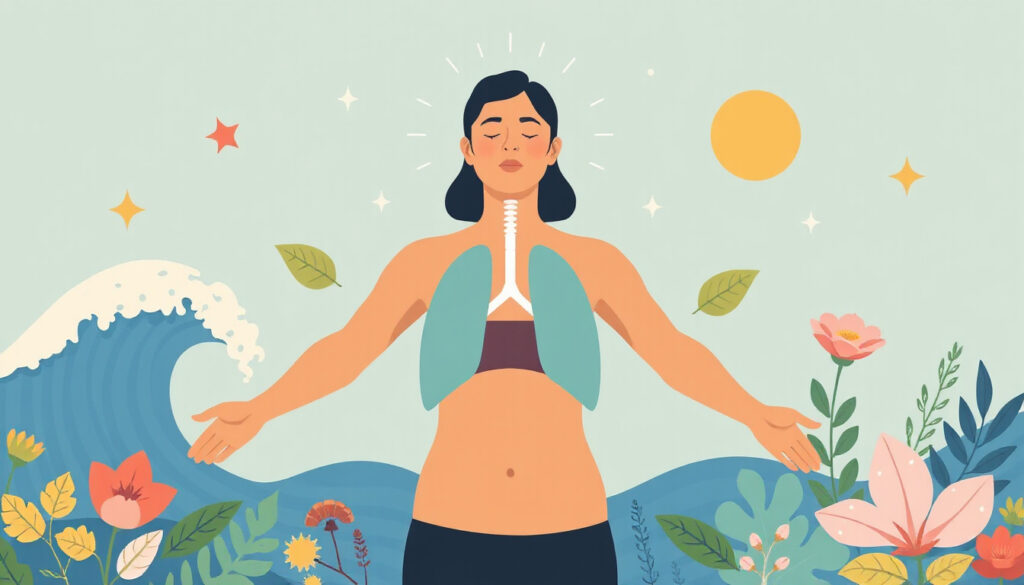

Breathing is something we often take for granted, yet it plays a pivotal role in our health, well-being, and even mental clarity. Among various breathing techniques, clavicular breathing holds a unique place as the final stage of deep inhalation and a way to enhance lung capacity. This article explores what clavicular breathing is, how to perform it, its benefits, and precautions to consider for safe practice.
What is Clavicular Breathing?
Clavicular breathing is a type of shallow breathing that involves the upper part of the lungs. It is characterized by the lifting of the clavicles (collar bones) and the upper ribs during inhalation, without raising the shoulders. The clavicles are connected to small muscles that pull up the upper thoracic region to take in extra air after the more common abdominal and thoracic breathing have filled the lungs.
This method serves as the third and final phase of the full yogic breath cycle known as Dirga Pranayama or Three-Part Breath, coming after abdominal (diaphragmatic) and thoracic (chest) breathing. It allows the upper lobes of the lungs to fill completely by expanding the ribcage to its maximum capacity.
Due to the shallow nature of clavicular breathing, it is usually employed in situations of physical exertion or respiratory distress, but when practiced mindfully, it can be an effective tool for improving overall respiratory function and mental focus.
How to Practice Clavicular Breathing
To effectively practice clavicular breathing, it is important to master the abdominal and thoracic breathing first. Here’s a simple guide to get started:
-
Find a Comfortable Seated Position: Sit cross-legged in Sukhasana or on a chair with your back straight and shoulders relaxed.
-
Start with Natural Breathing: Observe your breath without altering it. Feel your abdomen rise and fall, followed by expansion of the chest.
-
Deepen the Breath: Inhale deeply into your belly first, then your chest, and finally expand the upper ribs and gently lift your collarbones without shrugging your shoulders. Your neck and clavicular muscles will assist this upward movement.
-
Exhale Smoothly: As you breathe out, relax your collarbones, upper ribs, chest, and abdomen gradually.
-
Maintain Awareness: Focus on the subtle movement and sensations around your collarbones and neck.
-
Practice Duration: Start with a few rounds for 5 minutes daily and gradually increase to longer sessions as you become more comfortable.

Practicing clavicular breathing requires gentle effort and full awareness. Beginners may find it helpful to place hands near the collarbones to physically feel the movement.
Benefits of Clavicular Breathing
Incorporating clavicular breathing into your routine offers several noteworthy health and wellness benefits:
-
Enhanced Oxygen Intake: By filling the upper lobes of the lungs, clavicular breathing provides a quick influx of oxygen which can support higher physical exertion levels, beneficial for athletes and runners.
-
Strengthens Upper Lung Capacity: Since the upper regions of the lungs are often underused, this practice helps stimulate and strengthen these areas, potentially reducing vulnerability to lung infections.
-
Relieves Shoulder and Neck Tension: The practice involves the muscles around the clavicles and neck, improving flexibility and easing stiffness common in sedentary lifestyles.
-
Improves Mental Focus and Calmness: Attention on breath and bodily sensations boosts mindfulness, calms nerves, and prepares the mind for deep meditation (Dharana and Dhyana).
-
Balances Chakras and Endocrine Function: In yoga philosophy, clavicular breathing stimulates the throat (Vishuddha) and crown (Sahasrara) chakras, believed to regulate endocrine glands such as the thyroid.
-
Supports Respiratory Conditions: It can aid people with asthma and other obstructive airway conditions by enhancing airflow and providing short bursts of oxygen when needed.
Clavicular Breathing in Daily Life and Special Circumstances

A Simple Technique People Use Before Bed
A short routine designed to help your body relax and unwind naturally.
- ✔ Easy to learn and takes only a few minutes
- ✔ No equipment or supplements required
- ✔ Popular among people struggling to relax at night
While this breathing is generally shallow and quick, it serves a natural purpose during extreme physical effort or breathlessness. Runners and cardio athletes often unconsciously use clavicular breathing during intense phases of exertion. It can also be a useful tool in emergency respiratory situations to maximize oxygen intake.
Pregnant women sometimes experience breathing difficulties due to hormonal changes and the growing abdomen; abbreviated use of clavicular breathing can provide needed oxygen bursts during such times but should not be over-relied upon.
Potential Contraindications and Precautions
Though clavicular breathing is beneficial, it should be approached with care:
-
Avoid Prolonged Practice Initially: Excessive or incorrect technique can disturb the body’s natural energy flow (prana) and cause neck tension.
-
Medical Conditions: People with fractured collarbones, recent neck injuries, or chronic respiratory ailments should consult healthcare or yoga professionals before practicing this technique.
-
Guidance Recommended: Beginners should learn under the supervision of an experienced yoga teacher to ensure proper form and avoid strain.
Clavicular Breathing vs. Thoracic and Diaphragmatic Breathing
To appreciate clavicular breathing fully, it’s important to understand how it fits with other breathing types:
-
Diaphragmatic (Abdominal) Breathing: This engages the diaphragm muscle to fully expand the belly and lower lungs, promoting relaxation and optimal oxygen exchange.
-
Thoracic (Chest) Breathing: This involves intercostal muscles between the ribs expanding the middle chest area, bringing in more air than clavicular breathing.
-
Clavicular Breathing: The most shallow and uppermost breath stage, involving elevation of collarbones and upper ribs to fully expand the lungs.
Most efficient breathing cycles in yoga and singing incorporate all three stages in sequence, with diaphragmatic breathing forming the foundation.
Conclusion
Clavicular breathing is a subtle yet powerful breathing technique that completes the process of full lung expansion and enhances oxygen intake. When practiced mindfully and combined with abdominal and thoracic breaths, it can improve lung capacity, alleviate tension, sharpen mental focus, and support respiratory health. However, it requires gentle mastery and should be practiced cautiously, especially by beginners or those with medical conditions.
By unlocking the secrets of clavicular breathing, you can enrich your breathing practice, deepen meditation, and elevate your overall wellness.
Embrace deeper awareness of your breath, uplift your vitality, and breathe your way to better health.


