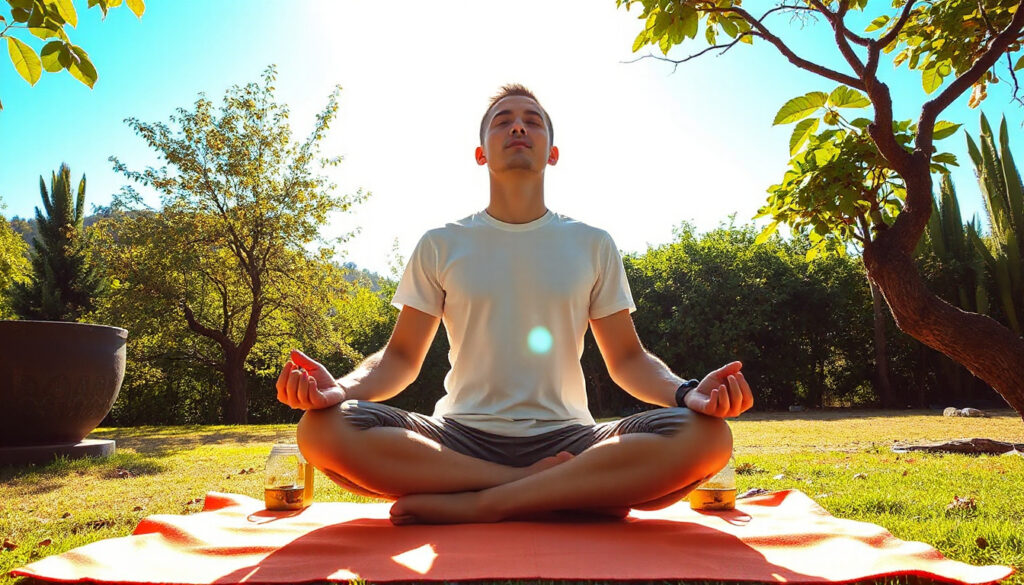

Kapalabhati pranayama, often referred to as the "Skull Shining Breath," is a dynamic breathing technique deeply rooted in yogic tradition. Known for its energizing effects on the body and mind, this practice purifies, revitalizes, and clears both the respiratory system and mental faculties. Whether you’re seeking heightened concentration, improved respiratory health, or a natural energy boost, Kapalabhati offers a powerful tool to enhance your well-being.
Understanding Kapalabhati Pranayama
The term "Kapalabhati" is derived from two Sanskrit words: kapal, meaning "skull" or "forehead," and bhati, meaning "light" or "illumination." Together, they signify "illumination of the forehead," suggesting a practice that brightens the mind and sharpens cognitive function.
Distinct from many breathing techniques, Kapalabhati is characterized by active, forceful exhalations and passive, automatic inhalations. Practitioners rapidly exhale by contracting abdominal muscles, while inhalation happens effortlessly. This reversal of the typical breathing process energizes the nervous system and stimulates the brain.
Benefits of Practicing Kapalabhati
Kapalabhati offers a wide array of physical, mental, and emotional benefits:
- Balances the Three Doshas: It harmonizes Vata, Pitta, and Kapha energies according to Ayurveda, promoting overall balance.
- Cleanses the Respiratory System: Clears nasal passages and lungs by expulsing toxins and improving airflow.
- Energizes the Mind: Eliminates mental lethargy and sharpens focus, offering clarity and alertness.
- Improves Circulation: Boosts blood circulation, particularly to the head, enhancing oxygen flow to the brain.
- Strengthens Abdominal Muscles: Tones core muscles and promotes digestive health by stimulating agni (digestive fire).
- Supports Nervous System: Calms and balances the nervous system, improving mental stability.
- Enhances Voice Quality: Regular practice improves voice melodiousness through better breath control.
- Boosts Immunity and Detoxification: Purifies pranic channels and enhances overall immunity without causing internal heat.
Furthermore, emerging scientific research highlights Kapalabhati’s potential positive impact on modern health challenges like metabolic syndrome and polycystic ovarian syndrome (PCOS), primarily through its stress-reducing and hormonal balancing effects. It may improve insulin sensitivity and support metabolic function, making it a promising complementary practice.
Who Should Exercise Caution?
While Kapalabhati is powerful, it is not suitable for everyone. Contraindications include:
- Pregnancy and menstruation
- High or low blood pressure
- Heart diseases and hernias
- Gastric ulcers
- Epilepsy and migraine headaches
- Vertigo and dizziness
- Eye ailments such as detached retina or glaucoma
- Recent abdominal surgery
If you experience dizziness, faintness, or discomfort during practice, stop immediately and consult a qualified instructor or healthcare provider.
Preparing for Practice

A Simple Technique People Use Before Bed
A short routine designed to help your body relax and unwind naturally.
- ✔ Easy to learn and takes only a few minutes
- ✔ No equipment or supplements required
- ✔ Popular among people struggling to relax at night
- Always practice on an empty stomach, ideally 3-4 hours after eating.
- Choose a comfortable seated position with the spine erect, such as Sukhasana (Easy Pose), Virasana (Hero Pose), or sitting on a chair with feet flat on the ground.
- Maintain awareness of the breath through the nostrils only.
- Beginners should master basic breathing exercises like Full Yogic Breath (Dirga Pranayama) and Ujjayi Pranayama (Ocean Breath) before attempting Kapalabhati.

Step-by-Step Guide to Kapalabhati Pranayama
- Sit Comfortably: Ensure your spine is erect and your abdomen relaxed.
- Ground Yourself with Deep Breaths: Take a few slow, full breaths to settle your mind.
- Begin Active Exhalation: Forcefully contract the abdominal muscles to expel air rapidly through the nose, focusing on the exhale.
- Passive Inhalation: Allow the inhalation to occur naturally and effortlessly as you relax the abdomen.
- Repeat Rapidly: Continue this cycle at a controlled pace—start slowly with 20 repetitions and gradually increase to 50, 70, or up to 100 breaths per round.
- Pause and Observe: After completing the round, breathe normally, and notice sensations in your mind and body.
- Multiple Rounds: With experience, you may perform two to three rounds with rest intervals of one to two minutes between them.
Tips for Safe and Effective Practice
- Focus your attention on abdominal movement and the power of exhalation.
- Keep your shoulders and upper body relaxed and still.
- Avoid forcing the inhalation; it must remain natural.
- Stop if you feel dizzy, faint, or uneasy.
- Always learn under guidance when starting out.
Scientific Insights: Kapalabhati and Health
Kapalabhati increases oxygen consumption and heart rate temporarily but does not cause hyperventilation or imbalance in carbon dioxide levels. Its practice promotes parasympathetic dominance, meaning it helps the body relax and reset after stress, which supports mental calmness and improved autonomic function.
Research is ongoing about its role in managing metabolic and endocrine disorders. For example, Kapalabhati could assist in mitigating symptoms of metabolic syndrome by improving insulin sensitivity and reducing stress. Though direct evidence in PCOS is limited, given the shared underlying stress and metabolic factors, it’s hypothesized that this pranayama may provide benefits.
Conclusion: Illuminate Your Life with Kapalabhati
Kapalabhati pranayama is more than a breathing exercise—it’s a transformative practice that awakens vitality and brings clarity to the mind. By regularly cleansing your respiratory passages and energizing your nervous system, you invite a deeper state of alertness and well-being.
Approach this practice with respect and mindfulness, building gradually under qualified supervision. In doing so, you will unlock not only a brighter mind but also a healthier, more balanced life, ready to meet the demands of modern living with grace and strength.
References
- Saraswati, Swami Satyananda. Asana Pranayama Mudra Bandha. Bihar Yoga Bharati, 1996.
- Lad, Vasant. Textbook of Ayurveda Vol III: General Principles of Management and Treatment. The Ayurvedic Press, 2012.
- Ansari, Reshma Mohamed. "Kapalabhati pranayama: An answer to modern day polycystic ovarian syndrome and coexisting metabolic syndrome?" International Journal of Yoga, 2016. —
With conscious breathwork rooted in tradition and backed by modern insights, Kapalabhati pranayama offers a radiant pathway to enhanced energy, mental clarity, and holistic vitality. Incorporate it thoughtfully into your daily routine and experience the illuminating power of your own breath.


