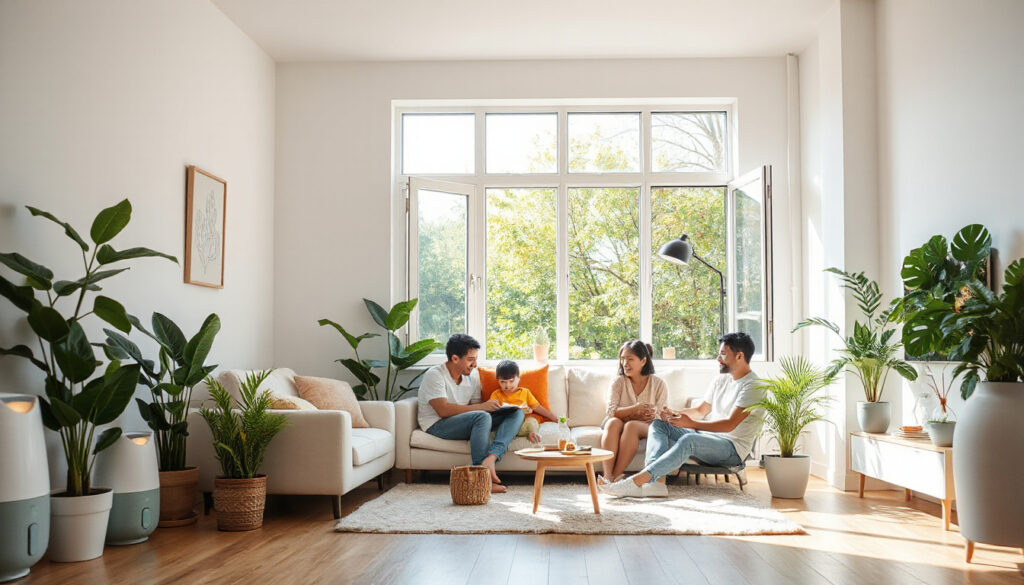

Maintaining clean indoor air is vital for the health and comfort of everyone in your home. Indoor air pollution can cause a range of health issues, from mild irritation and allergies to serious respiratory and cardiovascular diseases. Fortunately, by understanding the sources of indoor pollutants and implementing practical measures, you can significantly improve your home’s air quality. Here are ten essential tips based on expert guidance to help you keep the air inside your home clean and fresh.
1. Control Pollution Sources
The most effective way to improve indoor air quality is to manage pollution at its source. This includes:
- Avoiding smoking indoors, which produces harmful secondhand smoke.
- Minimizing use of products that emit volatile organic compounds (VOCs), such as certain paints, solvents, and cleaning agents.
- Properly maintaining heating and cooking appliances to reduce emissions.
- Sealing or removing sources of asbestos or toxic mold whenever possible.
Reducing or eliminating these sources helps prevent pollutants from accumulating indoors.
2. Increase Ventilation with Fresh Outdoor Air
Bringing fresh air into your home dilutes indoor pollutants and improves air quality. This can be achieved by:
- Opening windows and doors when weather permits.
- Using exhaust fans in kitchens and bathrooms to remove moisture and contaminants directly outside.
- Running window or attic fans to promote airflow.
- When feasible, operating your HVAC system’s ventilation feature or installing mechanical ventilation systems such as heat recovery ventilators that supply outdoor air efficiently.
Good ventilation balances indoor comfort while reducing pollutant levels.
3. Use High-Quality Air Filters
Clean air filters in your heating, ventilation, and air conditioning (HVAC) system play a key role in trapping airborne particles. To maximize their effectiveness:
- Choose pleated or high-efficiency particulate air (HEPA) filters that capture smaller particles like pollen, pet dander, and dust mites.
- Replace HVAC filters every three months or more often if you have pets or allergies.
- Consider portable HEPA air purifiers for added filtration in key rooms.
Proper filters help remove many contaminants that can aggravate respiratory conditions.
4. Control Humidity Levels

A Simple Technique People Use Before Bed
A short routine designed to help your body relax and unwind naturally.
- ✔ Easy to learn and takes only a few minutes
- ✔ No equipment or supplements required
- ✔ Popular among people struggling to relax at night
High indoor humidity encourages mold growth and increases dust mites, both of which can impair air quality and trigger allergies. Maintain indoor humidity between 30-50% by:
- Using dehumidifiers in damp areas such as basements.
- Ventilating bathrooms and kitchens during and after moisture-generating activities.
- Repairing leaks promptly to prevent water damage.
A balanced humidity level keeps your air healthier and fresher.
5. Clean Regularly and Thoroughly
Regular cleaning reduces dust, pet dander, and other particulate matter that degrade air quality. Tips include:
- Vacuuming carpets and upholstery frequently using a vacuum with a HEPA filter.
- Dusting surfaces with a damp or microfiber cloth to trap particles rather than dispersing them.
- Washing bedding and curtains regularly.
Cleaning helps remove allergens and keeps particles from becoming airborne.
6. Test and Mitigate Radon Levels
Radon is a radioactive gas that can seep into homes from the ground and is a leading cause of lung cancer. Testing your home for radon is critical since it is odorless and invisible. If elevated radon levels are found, mitigation systems can be installed to reduce risk.
7. Avoid Using Unvented Combustion Appliances Indoors
Appliances like kerosene heaters, gas stoves, or wood-burning stoves produce pollutants such as carbon monoxide and nitrogen dioxide. Use properly vented appliances and avoid burning fuels indoors without adequate ventilation.
8. Opt for Low-Emission Products
When painting, renovating, or furnishing your home:
- Choose low-VOC or zero-VOC paints and finishes.
- Select carpets, flooring, and furniture that meet indoor air quality standards and emit fewer pollutants.
These choices reduce chemical exposure and improve air freshness.
9. Bring Activities Outdoors When Possible
Activities like painting, sanding, or using strong cleaning agents can release a high concentration of pollutants. Whenever possible, do these tasks outdoors or in well-ventilated areas to minimize indoor pollution.
10. Promote Airflow and Keep Indoor Spaces Dry
Good airflow prevents stagnant air where pollutants accumulate. You can:
- Use fans strategically to circulate air.
- Keep furniture and areas near vents clear for better air movement.
- Avoid overwatering houseplants to prevent mold in soil.
Together, these practices maintain balanced and fresh indoor air.
Conclusion
Indoor air quality directly affects your lung health and overall well-being. By controlling pollution sources, improving ventilation, maintaining humidity, and adopting regular cleaning habits, you can create a healthier indoor environment for your family. Combining these strategies with periodic testing and mindful product choices offers the best protection against indoor air pollutants. Remember, fresh, clean air is fundamental to a healthy home.
References
- American Lung Association. Clean Air at Home.
- U.S. Environmental Protection Agency (EPA). Improving Indoor Air Quality.
- Centers for Disease Control and Prevention (CDC). Taking Steps for Cleaner Air for Respiratory Virus Prevention.