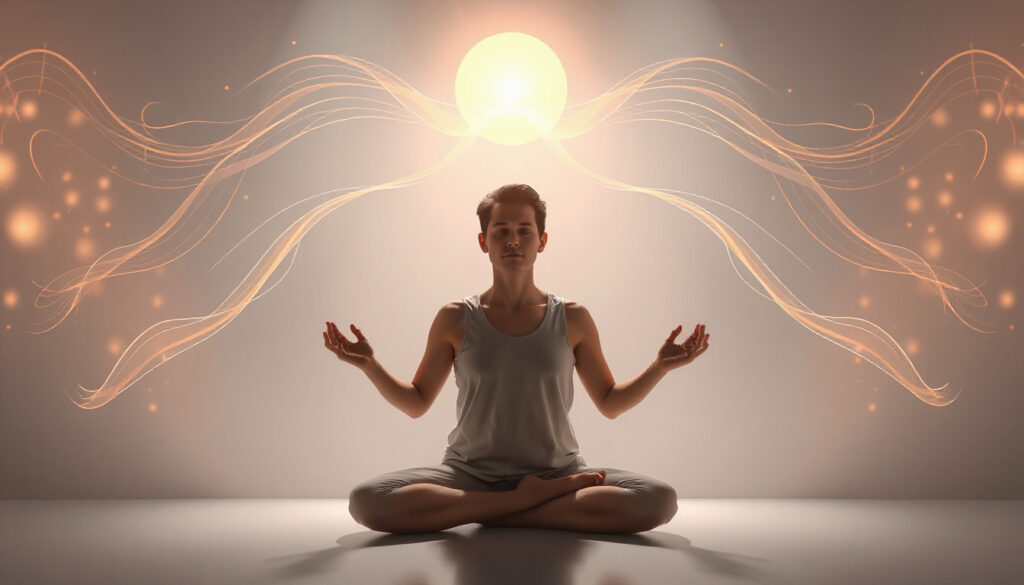

In the pursuit of inner peace and mindfulness, ancient practices intertwine the subtle language of the hands—mudras—with conscious breathwork to harmonize body, mind, and spirit. Mudras, symbolic hand gestures rooted in Indian and Buddhist traditions, profoundly influence energy flow and mental focus when combined with mindful breathing. This article explores how integrating mudras with breath awareness can deepen mindfulness practice, alleviate stress, and cultivate emotional balance.
The Synergy of Mudra and Breath
Mudras are precise hand positions that act as energetic conduits within the subtle body. These small but powerful gestures help direct prana (life force energy), bringing specific effects on mental and emotional states. When synchronized with breath—the principal bridge between the voluntary and involuntary nervous system—the practice becomes profoundly calming and centering.
Since breathing is the core of most mindfulness and meditation techniques, engaging mudras enhances sensory feedback and focuses the mind, making breath awareness more vivid and immersive. The hands have a substantial representation in the brain’s sensory and motor cortex (as explained by the neurological concept of the Homunculus), which partly explains why hand gestures can influence brain function and mood efficiently and swiftly.
Key Mudras to Enhance Breathing Awareness
Embarking on mudra practice with breath can be simple yet impactful by beginning with a few foundational gestures and their corresponding breath focus. Here are some recommended mudras that help cultivate mindful breathing and inner calm:
1. Chin Mudra (Gesture of Consciousness)
- Technique: Touch the tips of the thumb and index finger lightly while extending the other three fingers.
- Breath Focus: Direct breath awareness to the lower abdomen/pelvic region.
- Benefit: Promotes grounding and energizes the root energy center.
2. Chinmaya Mudra (Central Breath Awareness)
- Technique: Curl the fingers inward, wrap them lightly around the thumb.
- Breath Focus: Tune into the upper abdomen and middle torso area.
- Benefit: Opens awareness to the diaphragm region, encourages deep, conscious breathing.
3. Adhi Mudra (Upper Chest Awareness)
- Technique: Curl fingers into the palm, with the thumb covering the index fingers.
- Breath Focus: Feel breath at the collarbones, throat, and upper chest.
- Benefit: Encourages clarity, openness, and emotional balance.
4. Brahma Mudra (Full Yogic Breath)
- Technique: Bring hands together with fingers intertwined and palms inward.
- Breath Focus: Engage the whole breathing cycle, expanding awareness equally from pelvis to chest.
- Benefit: Facilitates deep and complete yogic breathing that energizes and calms simultaneously.
The Hug Mudra: A Modern Breath Awareness Technique

A contemporary addition to mudra and breathwork practice is the Hug Mudra, which integrates the comforting act of self-embrace with tactile breath awareness. This method uses the heightened tactile sensitivity of the hands to increase bodily awareness of breath.
How to Practice Hug Mudra:
- Chest Awareness: Place both hands gently on the chest, forming a soft embrace without tension. Observe the natural rhythm of the breath flowing under your hands.
- Abdominal Focus: Shift one hand softly onto the abdomen while keeping the other on the chest, maintaining the embrace. Feel the rise and fall of the belly with each inhale and exhale.
- Shoulder Awareness: Move a hand to rest near the collarbone or upper shoulder area, continuing the gentle hug while sensing breath movements.
- Ribs and Sides: One hand moves to the side ribcage to notice lateral breath expansion.
- Hip Awareness: Transition hands to rest lightly on the hip regions, feeling subtle breath-induced movements.
This sequence, practiced for 10-20 minutes, fosters a grounded mindfulness of breath that connects physical sensation with emotional calm. It’s adaptable to sitting, standing, or lying postures and serves as a versatile tool for anyone seeking accessible, non-dogmatic breath meditation.
Scientific and Traditional Insights Supporting Mudra-Breath Techniques

A Simple Technique People Use Before Bed
A short routine designed to help your body relax and unwind naturally.
- ✔ Easy to learn and takes only a few minutes
- ✔ No equipment or supplements required
- ✔ Popular among people struggling to relax at night
- Neurological Mapping: The extensive brain area dedicated to hands allows mudras to modulate sensory and motor signals, indirectly influencing autonomic functions such as respiration.
- Mind-Body Feedback: The tactile awareness during gestures like Hug Mudra enhances interoceptive sensitivity, deepening the connection between breath, posture, and emotional regulation.
- Balance and Equanimity: Many mudras balance right and left brain hemispheres, fostering cognitive harmony and emotional steadiness.
- Historical Usage: Sanskrit and Buddhist scriptures have long used mudras during meditation to symbolize energetic states, encourage focus, and catalyze spiritual awakening.
Integrating Mudra and Breath in Daily Practice
Mudras are discrete and portable practices that can be integrated anytime—during meditation sessions, yoga, or even in daily life to alleviate stress or regain focus. Beginners are encouraged to learn a few mudras with mindful breath, practicing regularly and observing their unique bodily and emotional effects.
Here are some guidelines:
- Start Small: Begin with 3-5 minutes per mudra focused on breath awareness; gradually increase duration.
- Cultivate Stillness: For mudras to reveal their subtle power, cultivate a quiet mind where breath and hand sensations can be noticed without distraction.
- Consistency is Key: Regular practice enhances sensitivity to the subtle body’s responses and the calming benefits of mudras.
- Mindful Transition: Move slowly between different mudras or breath focus areas, maintaining gentle self-embrace and openness.
- Combine with Breath Techniques: Pair mudras with pranayama practices such as four-part breath or alternate nostril breathing for deeper relaxation.
Conclusion
The fusion of mudra and breath techniques opens up a transformative path toward inner peace and mindful presence. By consciously engaging the hands in symbolic gestures aligned with breath awareness, practitioners unlock an embodied experience of calm, balance, and focused attention. Whether through traditional mudras like Chin or Brahma, or innovative practices like the Hug Mudra, these techniques provide accessible, profound tools for emotional regulation, mental clarity, and spiritual insight. Embracing mudra with breath invites you to the gentle art of listening deeply to your body and breath—one mindful gesture at a time.
References and Further Reading:
- Dorna Djenab, Mudras for Breathing, Pranasana Yoga (2024)
- Seong-Hun Jo & Eunsu Lee, "Hug Mudra for Mindful Breathing," Mindfulness (2024)
- Gestrud Hirschi, Mudras, Yoga in Your Hands
- Cain Carroll & Revital Carroll, Mudras of India
- Shunryu Suzuki, Zen Mind, Beginner’s Mind (2006)
- B. Anālayo, Mindfulness of Breathing: A Practical Guide and Translations (2019)
Harness the power of your hands combined with mindful breath to unlock your inner sanctuary of peace and well-being today.


