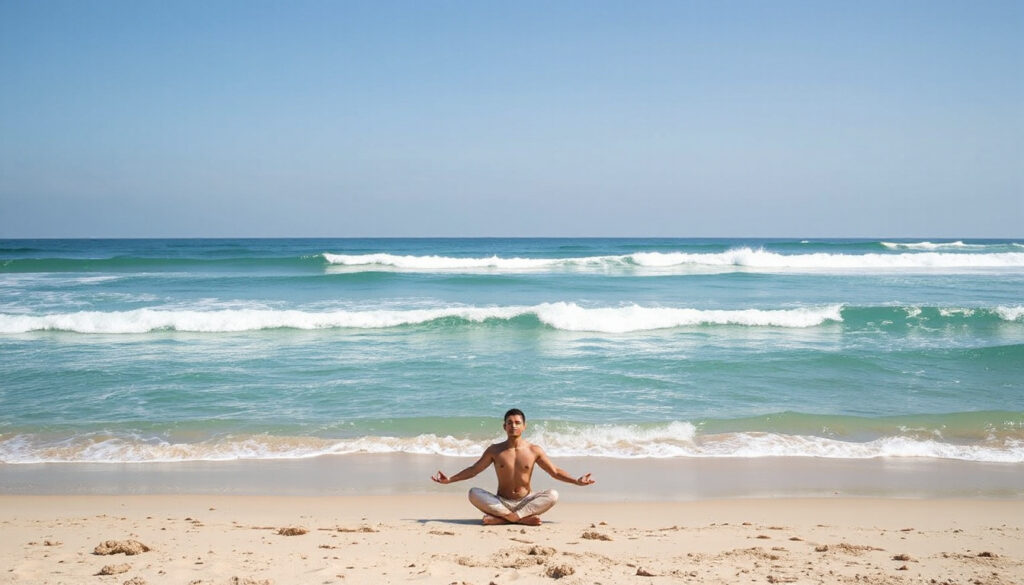

In the realm of yogic breathing techniques, Ujjayi breath, also fondly known as the Ocean Breath or the Victorious Breath, stands out as both a foundational and transformative practice. Revered for its soothing auditory qualities and powerful physiological effects, Ujjayi breathing serves as a bridge between breath, body, and mind. This article explores the origins, technique, benefits, and mindful application of Ujjayi breath, guiding you to unlock inner peace and elevate your yoga and meditation practices.
What Is Ujjayi Breath?
Ujjayi (उज्जायी), derived from Sanskrit, translates to "victorious" or "conquering." This pranayama (breath control) technique is characterized by a slight constriction of the throat muscles, especially the glottis, while breathing in and out through the nose, producing a soft, whispering sound reminiscent of ocean waves. This distinctive audible breath both sustains and enhances focus, earning the moniker "Ocean Breath."
Traditionally practiced in Ashtanga Vinyasa Yoga and popularized by yoga masters such as Pattabhi Jois and B.K.S. Iyengar, Ujjayi breath is both a breathing exercise and a meditative tool. It integrates seamlessly with asana flows but also stands alone as a means to deepen meditation and cultivate relaxation.
How to Practice Ujjayi Breathing: The Ocean Breath Technique
Learning Ujjayi breath involves tuning into the subtle physical sensations of breath and sound:

-
Find a Comfortable Posture
Sit tall in a comfortable seated position such as Sukhasana (Easy Pose) or cross-legged. Keep your spine erect, shoulders relaxed, and eyes gently closed. -
Begin with Natural Breath Awareness
Observe your natural breath without trying to change it. Tune into its rhythm and volume. -
Constrict the Throat Slightly
On your exhale, gently constrict the back of your throat (the glottis) as if you are softly fogging up a mirror or whispering. This should produce a quiet, ocean-like sound. -
Apply the Same Constriction on Inhale
Once the exhale feels comfortable, apply the same slight throat constriction as you inhale through your nose, maintaining the soft hissing ocean sound. -
Close Your Mouth
Keep your mouth closed, breathing fully and deeply through the nostrils, extending your breath cycles without strain. -
Focus on Length and Depth
Aim for slow, deep, and controlled inhalations and exhalations. Allow your lungs to expand fully in all directions—front, sides, back, and up to your clavicles. -
Integrate with Movement or Meditation
Use Ujjayi breath throughout your yoga asana practice or during meditation to cultivate presence and calm.
Tips for Effective Practice:
- Avoid tightening the throat too forcefully; the constriction should be gentle and easy.
- If you feel dizzy or uncomfortable, relax the throat and breathe naturally.
- Practice regularly to make Ujjayi breath an effortless, automatic part of your practice.
The Benefits of Ujjayi Breath
Ujjayi breathing offers a rich array of physical, mental, and energetic benefits:
Physical Benefits
- Maximized Oxygen Intake: The gentle throat constriction requires the lungs to work fully during inhale and exhale, increasing oxygen consumption by about 50%, as indicated by clinical research.
- Heat Generation: Produces internal body heat, warming muscles and joints, making yoga stretches safer and more effective.
- Lung Capacity and Circulatory Flow: Expands lung capacity and promotes enhanced blood and energy flow throughout the body.
- Detoxification: The deep breathing massages internal organs, helping to release toxins and improve organ function.
Mental and Emotional Benefits
- Calming the Nervous System: Slowing the breath activates the parasympathetic nervous system, reducing the body’s fight-or-flight response, easing stress and anxiety.
- Improved Focus and Presence: The audible breath serves as an anchor, helping to diminish distractions and cultivate mindfulness.
- Emotional Regulation: Helps to soothe agitated or nervous states, making it a useful tool for managing difficult emotions.
Energetic and Spiritual Benefits
- Balancing Prana: Ujjayi breath encourages prana (life force energy) to flow freely through the body’s subtle energy channels (nadis), clearing blockages.
- Chakra Activation: Supports the movement of energy from the root chakra to the crown, fostering spiritual awakening and meditative depth.
- Sense Withdrawal (Pratyahara): The sounds help draw attention inward, facilitating an effortless meditative state.
Integrating Ujjayi Breath in Yoga, Meditation, and Daily Life

A Simple Technique People Use Before Bed
A short routine designed to help your body relax and unwind naturally.
- ✔ Easy to learn and takes only a few minutes
- ✔ No equipment or supplements required
- ✔ Popular among people struggling to relax at night
During Yoga Practice
In vigorous styles like Vinyasa or Ashtanga yoga, Ujjayi breath synchronizes breath with movement, creating a rhythmic flow. It helps practitioners hold poses longer with steadiness and endurance while maintaining mental clarity. The breath’s heat promotes flexibility, and its sound enhances concentration on the present moment.
In Meditation and Relaxation
Ujjayi breath can deepen seated meditation by slowing and stabilizing the breath, promoting stillness and inner calm. Practicing Ujjayi breaths at bedtime can ease the nervous system and improve sleep quality — simply take ten long, ocean-like breaths lying down to encourage relaxation and restful slumber.
For Athletes and Stress Management
Athletes use Ujjayi breathing to improve respiratory efficiency and manage pre-performance anxiety. Outside formal practice, it’s an effective method to control stress and jitteriness—slow, rhythmic breathing with throat constriction calms the mind and body.
Safety and Precautions
While Ujjayi breath is safe for most practitioners, those with respiratory conditions like asthma should proceed cautiously. Ensure breathing remains comfortable and free of strain. If you feel lightheaded or dizzy, discontinue and breathe normally. Modifications such as shorter breath holds or relaxed throat constriction can be made as needed.
Conclusion
The art of Ujjayi breathing—the Ocean Breath—invites you into a deeper awareness of breath, body, and mind. As a simple yet powerful technique, it is a gateway to mindful relaxation, endurance in yoga postures, emotional balance, and spiritual connection. By incorporating Ujjayi breath into your daily routine, whether through yoga, meditation, athletic training, or stress relief, you unlock a peaceful, focused, and victorious state of being.
Embrace the sound of the ocean within you. Let Ujjayi breath be your companion on the path to inner tranquility and vitality.
References:
- Pizer, Ann. How to Do Ocean Breath (Ujjayi Pranayama) in Yoga, Verywell Fit, 2024.
- Iyengar, B.K.S. Light on Yoga, 1966.
- Shah, Sejal. Ujjayi Breathing for Yoga, Meditation and Better Sleep, The Art of Living.
- Telles, S., Desiraju, T. "Oxygen consumption during pranayamic type of very slow-rate breathing." Indian J Med Res. 1991;94:357-363.
- Saoji, A.A., Raghavendra, B.R., Manjunath, N.K. "Effects of yogic breath regulation: A narrative review of scientific evidence." J Ayurveda Integr Med. 2019. —
By integrating the fluid, oceanic rhythm of Ujjayi breath, you nurture a victorious union of breath and being—a true path toward mindful relaxation and inner peace.


