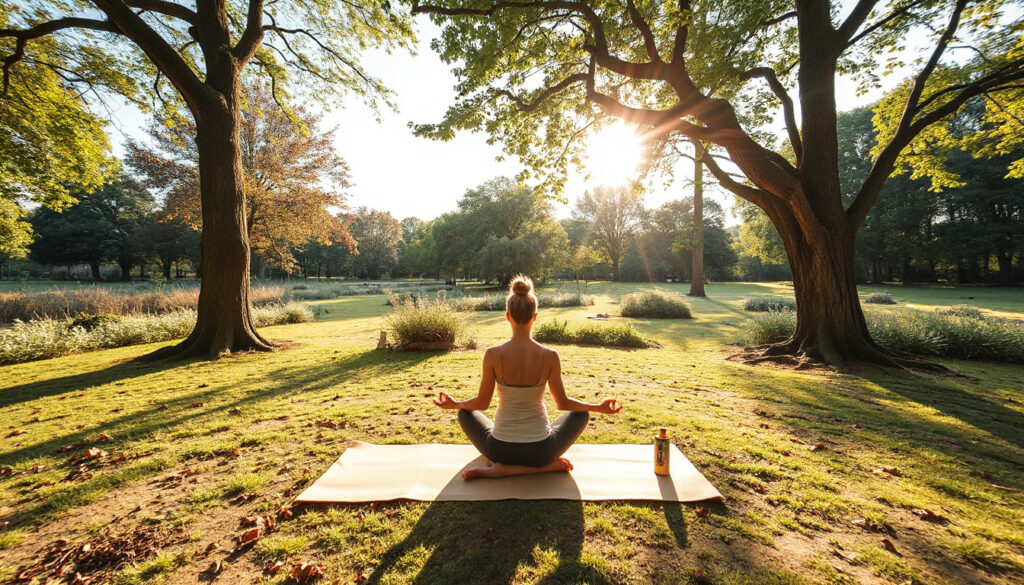

In today’s fast-paced world, the practice of yoga is more essential than ever as a pathway to harmony between mind, body, and soul. Whether you are a beginner or looking to deepen your practice, yoga offers a holistic approach that nurtures physical health, calms the mind, and rejuvenates your spirit. This guide will walk you through the fundamentals of practicing yoga, highlight its myriad benefits, and provide practical steps to incorporate yoga into your daily life.
Why Practice Yoga?
At its core, yoga is a union of body, mind, and emotions through various techniques like physical postures (asanas), breath control (pranayama), relaxation, and meditation. The benefits of practicing yoga regularly extend across physical, mental, and emotional planes:
- Enhances flexibility, mobility, and balance
- Builds strength and improves posture
- Reduces stress and calms the mind
- Balances the nervous system to alleviate anxiety
- Supports recovery and injury prevention
- Improves breathing and lung capacity
- Cultivates mindfulness and mental clarity
- Boosts overall quality of life and emotional resilience
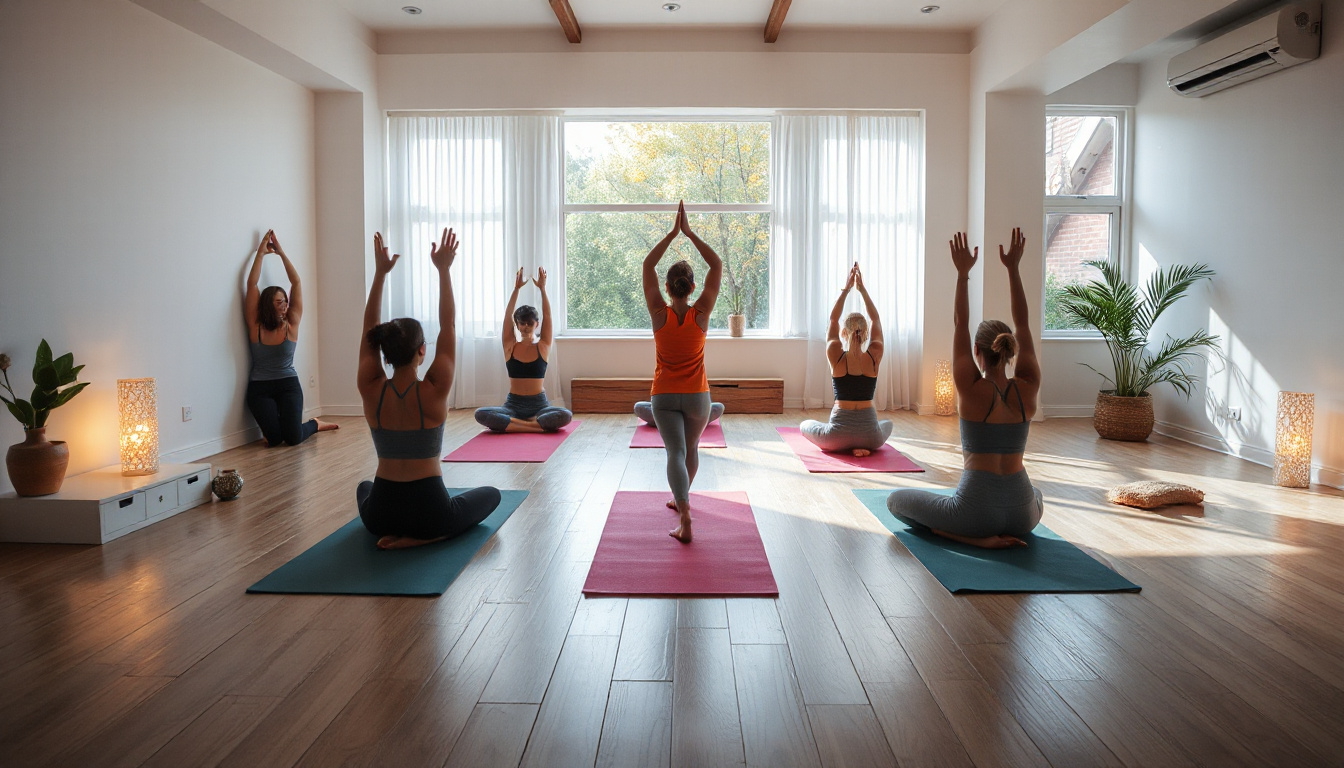
Yoga is not just exercise; it is a journey toward self-awareness and healing, ideal as a complementary practice for all fitness levels and ages.
Components of a Balanced Yoga Practice
1. Asanas – The Physical Poses
Asanas form the foundation of yoga, aiming to bring balance to the body by enhancing strength, flexibility, and graceful movement. Unlike a fitness routine that prioritizes perfect alignment or intensity, a yoga asana practice emphasizes mindful connection with the body, exploring poses with compassion and awareness. This mindful movement can reduce tension and help manage chronic conditions such as diabetes or asthma.
2. Pranayama – Breath Control
Breath is the life force in yoga practice. Techniques such as deep yogic breathing, alternate nostril breathing (Nadi Shodhana), and calming breaths like Bhramari help regulate the nervous system and lower heart rate, promoting relaxation. Other invigorating pranayama exercises can energize and awaken the body’s pranic system, supporting vitality and focus.
3. Relaxation and Meditation
A yoga session traditionally concludes with deep relaxation techniques or meditation practices such as Yoga Nidra—a guided, conscious relaxation that helps release physical and mental stress. Regular meditation cultivates inner stillness and emotional balance, creating a sanctuary of calm amid everyday challenges.
Getting Started: Simple Yoga Practices for Everyday Life
You don’t need to be an expert or have a lot of time to enjoy the benefits of yoga. Here are some beginner-friendly approaches to integrate yoga into your routine:
Gentle Seated Yoga for Anxiety Relief
Short, gentle sessions can profoundly soothe anxiety and burnout by encouraging mindful breath and movement:
- Seated Arm Stretch: Inhale to raise your arms overhead, exhale to lower slowly.
- Seated Twist: Gently twist your torso side to side to release tension.
- Torso Circles and Chest Stretches: Enhance mobility while grounding awareness in your breath.
- Child’s Pose and Cat-Cow: Lower back stretches that ease the spine and calm the nervous system.
By focusing on how your body feels rather than how it looks in poses, you build trust and compassion with yourself—an invaluable asset for emotional health.
Finding the Right Class or Instructor
Look for experienced instructors who offer classes tailored to your needs—whether online or in-person. Personalized sessions can help those with injuries or special conditions form a safe and effective practice plan.
Creating Your Personal Practice Space
Set up a quiet, comfortable area in your home or join community classes to nurture consistency. Even five to ten minutes daily can dramatically improve your well-being.
Embracing Yoga as a Lifestyle

A Simple Technique People Use Before Bed
A short routine designed to help your body relax and unwind naturally.
- ✔ Easy to learn and takes only a few minutes
- ✔ No equipment or supplements required
- ✔ Popular among people struggling to relax at night
Yoga’s impact extends far beyond the mat: it nurtures self-care, encourages mindful living, and helps cultivate patience and balance in daily life. By practicing yoga consistently, you open the door to inner peace, physical vitality, and emotional resilience.
In Summary
Practicing yoga is more than exercise; it’s an invitation to reconnect with yourself. Through asanas, breath work, and meditation, yoga provides tools to heal your body, calm your mind, and enrich your soul. Start simply, listen to your body, and make mindfulness your guide. Unlock your inner peace one breath and movement at a time.
Recommended Next Steps:
- Try a beginner’s yoga class or online session focusing on gentle stretches and breath awareness.
- Explore guided relaxation techniques like Yoga Nidra for stress relief.
- Practice short daily flows to anchor yourself in the present moment.
- Gradually deepen your knowledge with workshops or private sessions.
Embrace yoga as your personal sanctuary for health and happiness. Your mind, body, and soul will thank you.