

Dry indoor air, especially common during colder months or in arid climates, can contribute to a range of discomforts and health issues. Using a humidifier is a simple yet effective way to add moisture to your environment, improving both comfort and well-being. This comprehensive guide will walk you through everything you need to know about how to use a humidifier properly—from choosing the right type to essential maintenance tips—for a healthier, more comfortable home.
Why Use a Humidifier?
Indoor air can become uncomfortably dry due to heating systems or natural climate conditions. Dry air affects your respiratory system, skin, hair, and overall comfort. Here are several notable benefits of using a humidifier:
Relieves Respiratory Symptoms: Adding moisture to the air helps soothe irritated nasal passages, throat, and lungs. It can ease congestion, reduce coughing, and thin mucus, supporting better breathing.
Reduces Allergy and Asthma Flare-ups: Proper humidity (ideally between 30% and 50%) soothes irritated airways and may lower inflammation, reducing the frequency and intensity of flare-ups.
Improves Sleep Quality: Moist air can prevent dry throat, nosebleeds, and coughing at night, promoting uninterrupted and restful sleep.
Enhances Skin, Hair, and Nail Health: Dry air often causes cracked, itchy skin and brittle nails. The right humidity level supports hydration, reducing dryness, static, and hair breakage.
Protects Furnishings: Maintaining suitable moisture levels can prevent delicate wood furniture and musical instruments from cracking due to dry conditions.
Types of Humidifiers
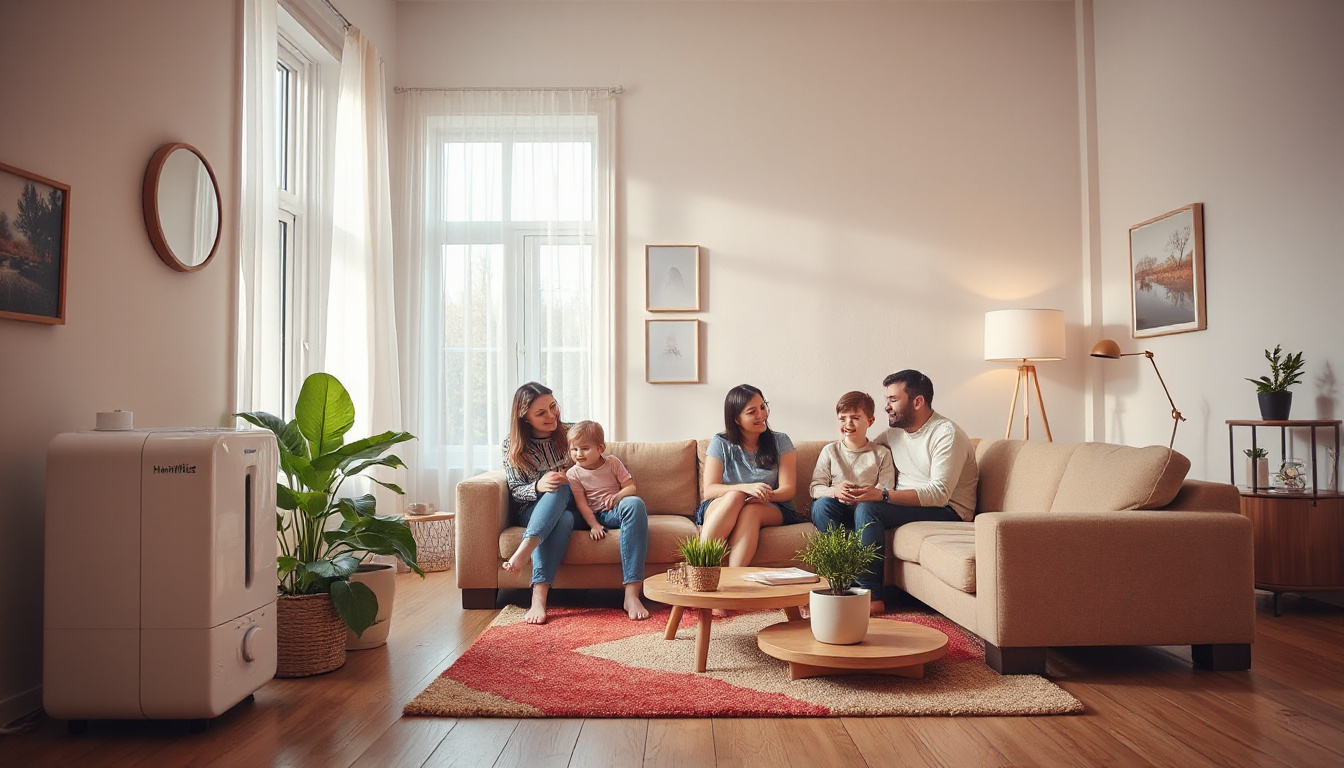
Humidifiers come in several forms, each with unique features and best-use scenarios:
1. Central Humidifiers
- Installed into your home’s HVAC system.
- Manage humidity levels throughout the entire house.
- Most effective but also the most expensive option.
2. Evaporative Humidifiers
- Use a moistened wick filter and a fan to disperse moisture.
- Affordable and widely used.
3. Impeller Humidifiers (Cool Mist)
- Emit a cool mist via spinning disks.
- Good for child-safe environments but require frequent cleaning.
4. Warm Mist Humidifiers (Steam Vaporizers)
- Boil water and release warm steam.
- Generally free of bacteria because of high heat but pose burn risks near children.
5. Ultrasonic Humidifiers
- Vibrate water at ultrasonic frequencies to produce a fine mist.
- Very quiet and energy efficient.
How to Use a Humidifier Safely and Effectively
1. Maintain Optimal Humidity Levels
- Use a hygrometer to monitor humidity.
- Keep indoor humidity between 30% and 50%. Above 50% can promote mold, bacteria, and dust mites, potentially worsening allergies and asthma.
2. Use the Right Water
- Prefer distilled or demineralized water to avoid dispersing minerals and impurities.
- Tap water can cause white dust and harbor microorganisms.
3. Clean Your Humidifier Regularly
- Rinse the water tank daily and empty standing water.
- Deep clean every 2-3 days with a solution such as diluted vinegar or hydrogen peroxide to prevent mold and bacterial growth.
- Replace filters according to manufacturer guidelines (typically every 1 to 2 months).
4. Position Your Humidifier Properly
- Place on a flat, stable, waterproof surface.
- Keep at least four feet from your bed or children’s reach.
- Avoid small, enclosed spaces to allow proper airflow and prevent moisture damage.
5. Run When Needed
- Operate your humidifier when indoor humidity falls below 30%.
- Avoid continuous running to prevent over-humidification.
6. Avoid Adding Unknown Substances
- Do not add essential oils, decongestants, or vinegar to the water tank unless your model is specifically designed for this.
- Use manufacturer-approved vapor pads or scents if desired.
Special Considerations for Children and Sensitive Individuals

A Simple Technique People Use Before Bed
A short routine designed to help your body relax and unwind naturally.
- ✔ Easy to learn and takes only a few minutes
- ✔ No equipment or supplements required
- ✔ Popular among people struggling to relax at night
- Prefer cool mist humidifiers in children’s rooms to prevent burn risks.
- Monitor for any respiratory discomfort possibly linked to unclean humidifiers.
- Consult a healthcare provider if you suspect your humidifier might be aggravating allergies or respiratory conditions.
Signs It’s Time to Replace Your Humidifier
- Persistent mineral buildup that cannot be cleaned.
- Mold or bacteria growth despite regular maintenance.
- Malfunctioning components or reduced mist output.
- Unpleasant odors emanating from the unit.
Summary: Best Practices for Using a Humidifier
- Choose the right type for your needs and space.
- Use distilled or filtered water.
- Keep humidity between 30-50%.
- Clean thoroughly and frequently.
- Place humidifier to maximize airflow and safety.
- Replace filters regularly.
- Avoid adding unapproved substances to the water.
- Monitor your indoor humidity with a hygrometer.
- Use caution around children and pets.
Final Thoughts
A humidifier can be a powerful tool to improve air quality, enhance comfort, and support better health in your home. By understanding the types of humidifiers and following proper use and maintenance guidelines, you can reap the benefits while minimizing risks. Whether you’re combating dry winter air, relieving allergy symptoms, or simply creating a more comfortable living environment, a well-maintained humidifier makes a noticeable difference.
Invest wisely, use responsibly, and breathe easier.
Disclaimer: This guide is informational and does not replace professional medical advice. Consult a healthcare provider if you experience persistent respiratory issues or allergic reactions related to humidifier use.