
As an Amazon Associate I earn from qualifying purchases.
what is the best way to use a nebulizer — step-by-step
Learn what is the best way to use a nebulizer with clear setup, timing, cleaning, and travel tips for quiet, effective use.
what is the best way to use a nebulizer: practical steps and tips
- Stop guessing — step-by-step setup, timing, and cleaning so treatments run smoothly and quietly.
- Practical tips for home, travel, and kids using a rechargeable, handheld nebulizer.
what is the best way to use a nebulizer — quick overview
A nebulizer is a device that turns liquid (sterile saline or prescription solutions) into a fine mist you inhale. People use them to moisten airways and deliver inhaled medicines when prescribed.
Key goals when using any nebulizer are effective delivery, minimal waste, comfort, and safety. Slower, deeper breaths help the mist reach lower airways more effectively—think of inhaling a gentle fog into your lungs. Many users report getting comfortable with device handling after 2–3 sessions.
Practical breathing tips and exercises can help you get a steady cadence—see resources on breathing for more on simple techniques.
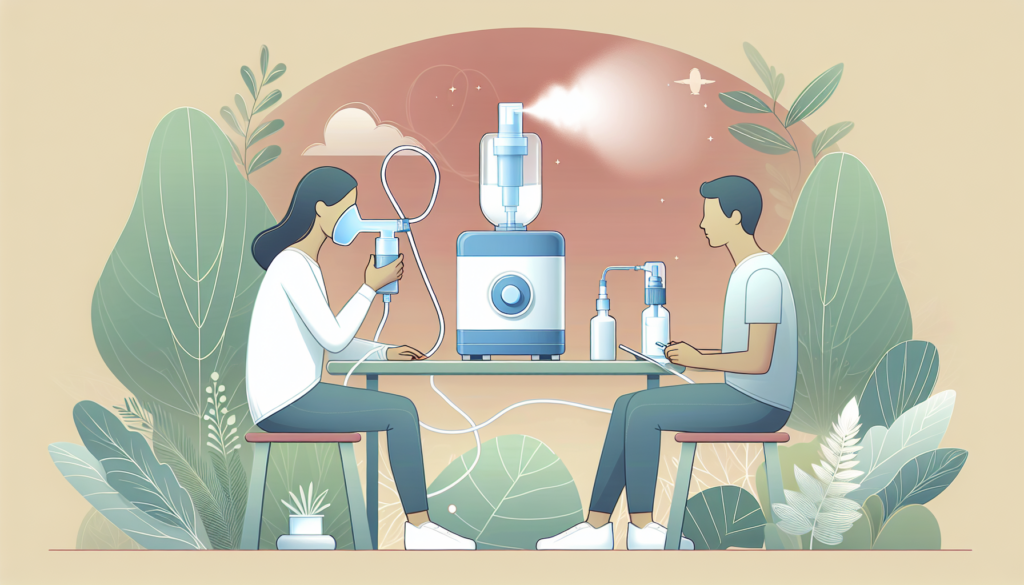
Step-by-step: what is the best way to use a nebulizer at home
Disclaimer: This is practical device and maintenance guidance—not medical advice. Follow your prescriber’s instructions for medication and dosing. If you have questions about treatment, consult a healthcare professional.
1. Gather supplies: the nebulizer unit, your prescribed medication or sterile saline, a mouthpiece or mask, and a power source or charged battery.
2. Assemble the unit per the manufacturer’s steps and add the prescribed dose or saline to the medication cup. Make sure seals and caps are seated so mist flows correctly.
3. Turn on and follow the recommended timing. Most handheld sessions run 5–20 minutes depending on device setting and medication volume. A common at-home rhythm: I set a 10–15 minute timer and sit upright to stay relaxed and steady.
4. Breathe steadily through the mouthpiece or mask. Use slower, deeper breaths for better delivery; short, shallow breaths tend to keep mist in the mouth rather than the airways. If you’re new to this, most users find their breathing cadence improves after a couple of sessions.
5. Finish the session, turn off the unit, and perform immediate cleaning steps: rinse the medication cup and mouthpiece with warm water and let air-dry. For mesh devices, gently dry the mesh plate as recommended by the manufacturer.
For hands-on tips and user stories about device comfort and routine, browse lifestyle resources like breathe.
Choosing a nebulizer: handheld vs tabletop — which suits you?
Handheld rechargeable models are compact, quiet, and travel-friendly—often a good match for active users and children who need a discreet option. They may be designed to support easy setup and portability.
Tabletop compressor units typically have larger reservoirs and produce higher airflow; some providers recommend them for specific prescription regimens. They are usually bulkier and can be noisier.
When selecting a unit, consider run time, charging time, noise level, and ease of cleaning. If your prescription requires a specific particle size or delivery method, talk to your provider about device choice.
For product-oriented reviews and model comparisons, see a trusted category resource on Nebulizer.
How to clean and maintain your nebulizer for reliable performance

A Simple Technique People Use Before Bed
A short routine designed to help your body relax and unwind naturally.
- ✔ Easy to learn and takes only a few minutes
- ✔ No equipment or supplements required
- ✔ Popular among people struggling to relax at night
Daily: rinse the medication cup and mouthpiece with warm water after every use and let parts air-dry on a clean towel. This reduces buildup and helps keep the unit performing as designed.
Weekly: follow the manufacturer’s disinfection instructions for your specific model. Common manufacturer-approved approaches vary; if the manual is unclear, consult general device-cleaning guidance or the CDC for infection-control practices. Also see our nebulizer cleaning guide for stepwise tips.
Mesh-plate devices: gently wipe the metal mesh with a soft cloth or cotton swab before and after use to prevent clogging. Avoid aggressive scrubbing that could damage the mesh.
Store the device in a clean, dry place and replace disposable parts (filters, masks) on the manufacturer’s recommended schedule to maintain performance. For more on improving inhalation comfort and technique, check resources about Breathing Techniques.
Troubleshooting: common mistakes and fixes when using a nebulizer
No mist: check the power source or battery, confirm the unit is assembled correctly, and clean the mesh plate or medication cup as directed.
Weak mist: verify you added the correct medication volume and that device settings are appropriate. Clean components and replace worn parts per the manufacturer.
Noise or vibration: ensure parts are seated correctly. Tabletop compressors will usually be louder by design; handheld models are often quieter but may hum if a part is loose.
Best practices for travel and kids using a nebulizer
For travel, choose a lightweight, rechargeable handheld unit and pack a spare charged battery or USB charger. As someone who uses these on the go, I pack pre-measured saline in small sterile vials and a clean mouthpiece to make setup quick and low-stress.
With children, use child-friendly masks and explain the process calmly; shorter, familiar sessions can reduce resistance. Follow your provider’s dosing and frequency instructions for pediatric use.
When flying or on public transit, check airline rules and keep medication vials and power banks accessible. Having a routine and a quiet device can improve comfort during travel.
Affiliate disclosure: This page contains affiliate links. If you buy through the link below we may earn a small commission at no extra cost to you. Prices and availability may change.
Recommended product
| Product | Rating | Reviews | Price | Key Benefit | Best For |
|---|---|---|---|---|---|
| Rechargeable Handheld Nebulizer | — | — | Check price on Amazon (prices and availability may change) | Compact, quiet design for travel and daily use | Active users, travelers, parents looking for a portable option |
Key reasons people pick this style of nebulizer
Portable, rechargeable units are easy to carry and set up quickly. They can improve comfort during a session by being quieter and less obtrusive than larger compressors.
Pros
- Compact and travel-friendly
- Rechargeable—no long power cables needed
- Typically quieter than tabletop compressors
Cons
- Smaller medication reservoirs than tabletop units
- May require more frequent charging for heavy use
- Some medications may be recommended with specific devices—check with your prescriber
Why this may help
Designed to support convenient, on-the-go nebulization, these devices may help maintain treatment routines and can improve comfort for users who value portability.
Best for
People who need a discreet, portable nebulizer for travel, work, or school and those prioritizing lower noise and ease of cleaning.
Check price on Amazon — prices and availability may change.
Frequently asked questions
How long should a typical nebulizer treatment take?
Most handheld sessions run 5–20 minutes depending on device setting and medication volume. Follow your device’s timing options (for example, a 10 minute faster setting or a gentler 20 minute setting) and your prescriber’s dosing guidance.
Can I use saline in a handheld nebulizer?
Yes—sterile saline is commonly used to moisten airways and may be used per the device instructions. Only use solutions recommended by your healthcare provider and clean the device after each use.
How often should I clean my nebulizer?
Rinse and air-dry the medication cup and mouthpiece after every use to reduce buildup. Perform deeper cleaning or disinfection weekly as directed by the manufacturer and gently wipe mesh plates before and after sessions.
Is a rechargeable handheld nebulizer as effective as a tabletop unit?
Rechargeable handheld units can deliver effective aerosol for many saline and prescription solutions when used correctly. Effectiveness depends on medication type, particle size, and treatment technique—check with your prescriber if your medication has specific device requirements.
What should I do if my nebulizer stops producing mist?
Check the charge or power source, confirm correct assembly, and clean the mesh plate or medication cup. If problems persist, consult the manufacturer’s troubleshooting guide or replace worn parts.
Conclusion: Using a nebulizer well is mostly about setup, steady breathing, and routine cleaning. These steps are designed to help devices perform as intended; results vary by device and medication. If you’re looking for a portable option, a rechargeable handheld nebulizer can be a practical choice for travel and daily convenience.
Check price on Amazon — prices and availability may change.


