
As an Amazon Associate I earn from qualifying purchases.
What is the best way to use a nebulizer — Guide
What is the best way to use a nebulizer? Practical step-by-step instructions, cleaning tips, and safe-use advice to get the most from inhaled treatments.
What is the best way to use a nebulizer: step-by-step guide
- Many people struggle with setup, timing, and cleaning — this post delivers clear, non-medical steps to use a nebulizer effectively and safely (follow your prescriber’s instructions for dosing).
- You’ll get practical tips on device choice, daily care, safety, and when a steam inhaler like the Vicks Sinus Inhaler might be a simpler alternative for short-term comfort.
This article is informational and not medical advice — follow your prescriber’s instructions and consult a healthcare professional for medical questions.
By: Health editor, Breathe Better — I’ve helped family members set up home nebulizer routines and learned a few practical tricks for comfort and cleanup. Last reviewed: 2026-03-09.
What is the best way to use a nebulizer: Step-by-step setup & use
Unpack and inspect the device: confirm you have the compressor or mesh unit, tubing, nebulizer cup, mouthpiece or mask, and the correct power source. Check the manual for any device-specific notes before first use.
Assemble the system on a clean surface, following the manufacturer instructions; attach the tubing to the compressor and the nebulizer cup, then secure the mouthpiece or mask. For many users, the first week is about getting the mouthpiece fit and timing right — expect 5–15 minutes per session and one extra practice run with saline to build confidence. Learn basic breathing support tips from breathing resources.
Add prescribed medication or saline exactly as directed by your prescriber — do not alter dose or mix medications without clinician guidance (follow prescriber’s instructions). Once medication is loaded, position yourself upright in a comfortable chair; sitting upright helps airway opening and can improve delivery.
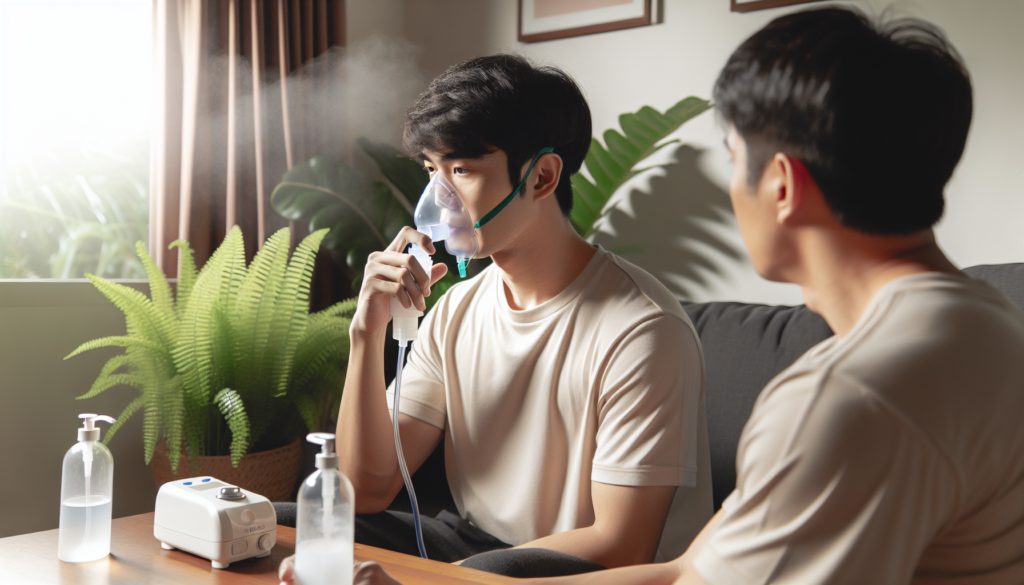
Positioning and breathing: hold the mouthpiece gently between your teeth or fit the mask snugly over nose and mouth. Breathe slowly and deeply through the mouth with brief pauses as comfortable; continue until the mist stops (typically 5–15 minutes depending on device). For extra technique ideas and patient-focused breathing tips, see this trusted breathing guide.
When you finish, turn off and disassemble the device; allow parts to cool before cleaning. User tip (lived experience): I find holding the mouthpiece gently between my teeth reduces air leakage and speeds the session — label this as a personal tip, not medical advice.
Adaptations: for children, use pediatric masks and have a caregiver hold the mask gently; for older adults or people with limited dexterity, consider a mesh or portable unit and ask a caregiver to help with assembly and cleaning.
What is the best way to use a nebulizer: Safety, cleaning & maintenance
Clean after each use by rinsing the nebulizer cup and mouthpiece or mask with warm water, shaking off excess, and air-drying on a clean towel. Rinsing helps prevent medication buildup and visible residue.
Disinfect using methods recommended by the manufacturer. Examples that some manuals list include boiling, using approved chemical disinfectants, or placing certain parts in the dishwasher; do not use a method that the device manual does not explicitly permit.
Replace disposable filters, tubing, masks, or cups on the schedule recommended by the device maker or your clinician; inspect components for cracks, discoloration, or wear. Store parts dry and protected from dust, and avoid leaving medication in the cup between sessions.
Use distilled water for rinsing only if recommended by the device manual. Avoid sharing mouthpieces or masks to reduce infection risk. For a full maintenance checklist and schedules, see our nebulizer maintenance checklist.
Nebulizer vs steam inhaler (like Vicks Sinus Inhaler)
Nebulizers aerosolize prescribed liquid medications or saline into a fine mist for inhalation into the airways; steam inhalers produce warm steam for topical nasal and throat comfort and do not deliver prescription medications.
Steam inhalers, such as the Vicks Sinus Inhaler, provide non‑medicated steam relief and may help with short-term congestion comfort, but they are not designed to replace prescribed nebulized therapy. If you’re comparing devices, our steam inhalers vs nebulizers guide outlines use-cases and differences.
Choose based on need: if you need prescription medication delivery to the lungs, a nebulizer is the appropriate device (discuss compatibility with your clinician). For short-term symptom relief or humidification, a steam inhaler or other humidification may improve comfort temporarily.
How to choose the right nebulizer device & accessories

A Simple Technique People Use Before Bed
A short routine designed to help your body relax and unwind naturally.
- ✔ Easy to learn and takes only a few minutes
- ✔ No equipment or supplements required
- ✔ Popular among people struggling to relax at night
Device types: compressor (widely used), ultrasonic, and mesh (portable and quieter). Each has trade-offs for noise, portability, and maintenance; choose the type that fits your daily routine and noise tolerance. For a look at portable options, check our best portable nebulizers.
Look for easy-to-clean components, available replacement parts, and clear manufacturer cleaning and disinfection instructions. Consider whether a device requires filters and how often they need replacement before buying.
Consider accessories such as pediatric or adult masks, different tubing lengths, travel cases, and power options (battery or AC). Check reviews, ratings, and warranty, and confirm compatibility with any prescription medication you’ll use.
Product spotlight: Vicks Sinus Inhaler (steam inhaler) — an alternative for non-medicated steam therapy
Quick affiliate note: We may earn a commission from purchases made through links on this page; this does not influence our recommendations.
Product overview: Vicks Sinus Inhaler, New & Improved Non-Medicated Steam Inhaler for Sinus Relief (works with VapoPads).
Key reasons people choose it: adjustable steam control and a soft face mask for targeted relief, no filters required, and compatibility with Vicks VapoPads for added scented comfort. (Feature list verified against the manufacturer product page on 2026-03-09.)
Pros: adjustable steam control; soft targeted mask; auto shut-off; no filters to replace; works with VapoPads for added comfort.
Cons: Provides non‑medicated steam only and is not designed to deliver prescription inhaled medications; best for temporary symptomatic comfort rather than ongoing medication delivery.
Why it helps: Designed to support short steam treatments that can improve comfort for nasal congestion or dry nasal passages; it may help users feel temporary relief but is not a substitute for prescribed nebulized therapy.
Best for: people seeking short-term, non-medicated steam relief for congestion or dry nasal passages and vocal steaming routines.
Price and availability may change. Check price on Amazon: Vicks Sinus Inhaler on Amazon.
(User feedback: most reviewers report positive short-term relief and ease of use; rating and review count checked on 2026-03-09 from the manufacturer/retailer pages.)
When to contact a healthcare professional
Contact your clinician if symptoms worsen or do not improve after prescribed nebulizer treatment. Always seek advice before using nebulized prescription medication for the first time or changing medication or dose.
If you suspect device malfunction (no mist produced, unusual noise, or visible damage), stop use and consult the manufacturer or your clinician. Do not attempt unsafe repairs.
Seek immediate clinical care for persistent fever, severe shortness of breath, or signs of infection.
FAQ
Is a nebulizer the same as a steam inhaler?
No — nebulizers deliver a fine aerosol of liquid medication or saline into the airways; steam inhalers produce warm steam for external nasal and throat comfort. Steam inhalers (e.g., Vicks Sinus Inhaler) may help soothe congestion but do not deliver prescription medications.
How long should each nebulizer treatment last?
Typical sessions last 5–15 minutes depending on device and medication volume. Stop when the mist stops or when your clinician’s prescribed time/dose is complete.
How often should I clean my nebulizer?
Rinse and air-dry nebulizer parts after each use; disinfect daily or per manufacturer guidance. Replace disposable parts (masks, tubing, cups) on the schedule recommended by the device maker or your clinician.
Can I use a steam inhaler instead of a nebulizer?
Steam inhalers can provide non-medicated symptomatic relief for congestion and throat comfort, but they are not a substitute for prescribed nebulized medications. Discuss alternatives with your healthcare provider before substituting devices for prescription therapy.
What if my nebulizer isn’t producing mist?
Check power and connections, ensure the compressor is running, inspect tubing for kinks, and confirm medication is loaded correctly. If problems persist, consult the device manual, contact the manufacturer, or seek a replacement — do not attempt unsafe repairs.
Related reading: best portable nebulizers · nebulizer maintenance checklist · steam inhalers vs nebulizers