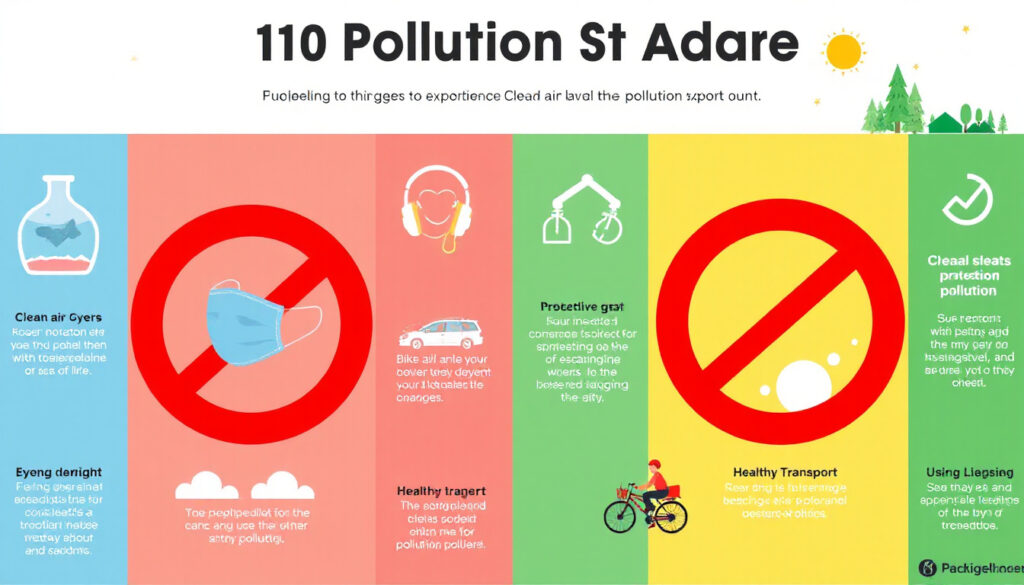

Exposure to pollution, particularly air pollution, poses significant risks to respiratory and overall health. With increasing urbanization, industrial activity, and climate changes, pollution levels can fluctuate daily, making it essential to adopt practical strategies that minimize your exposure. This article presents ten effective ways to avoid pollution exposure, drawing on expert recommendations from organizations like the American Lung Association and the U.S. Environmental Protection Agency (EPA).
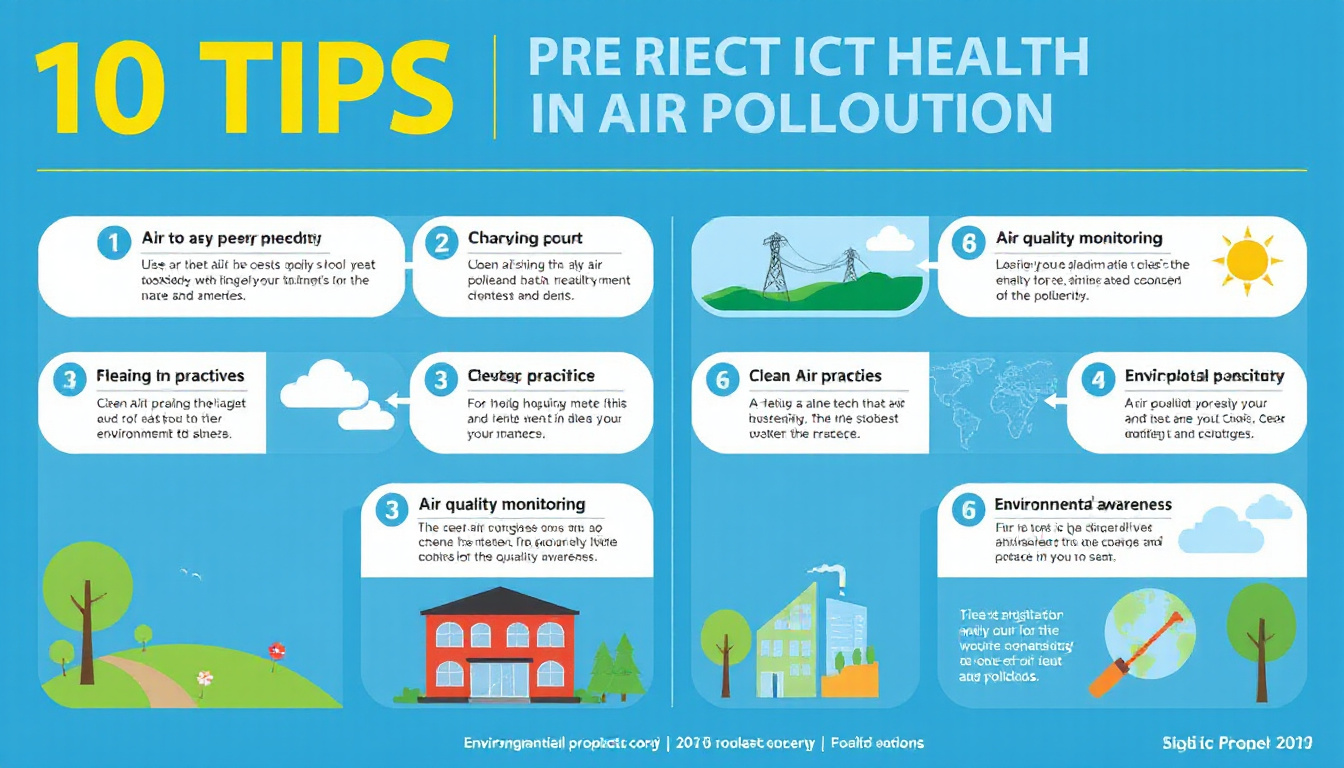
1. Monitor Air Quality Regularly
Start by keeping an eye on the air quality in your area each day. Use reliable sources such as local weather reports or websites like airnow.gov to check pollution levels. Air Quality Index (AQI) forecasts typically use a color-coded system to indicate pollution severity, helping you decide when to limit outdoor activities.
2. Avoid Outdoor Activities During High Pollution Periods
On days when pollution indicators are high, especially concerning ozone and particulate matter, avoid exercising or playing outside. Physical activities increase your breathing rate, causing you to inhale more pollutants. If you want to stay active, consider indoor exercise alternatives such as walking in a mall or using a gym.
3. Choose Exercise Locations Carefully
Even on days with good air quality, avoid exercising near roads with heavy traffic. Vehicle emissions emit harmful pollutants that can be much higher near busy highways. Opt for parks or areas removed from traffic congestion for safer outdoor workouts.
4. Limit Exposure to Indoor Air Pollutants

A Simple Technique People Use Before Bed
A short routine designed to help your body relax and unwind naturally.
- ✔ Easy to learn and takes only a few minutes
- ✔ No equipment or supplements required
- ✔ Popular among people struggling to relax at night
Many pollutants originate indoors from sources such as tobacco smoke, cleaning chemicals, dust mites, and radon gas. To keep your indoor air clean:
- Avoid smoking inside your home.
- Use environmentally safe cleaning products.
- Ensure adequate ventilation when using household chemicals.
- Regularly clean to minimize dust accumulation.
- Test for radon, especially if you live in an area prone to this radioactive gas.
5. Reduce Energy Consumption
Lowering your home’s energy use helps curb pollution emissions from power plants. Simple actions like turning off unused appliances, switching to energy-efficient products (look for the ENERGY STAR label), and using energy wisely contribute to better air quality and climate health.
6. Choose Cleaner Transportation Options
Using public transportation, carpooling, biking, or walking reduces the number of vehicles on the road and thus lowers pollution levels. When you drive, maintain your vehicle properly, avoid excessive idling, and keep tires properly inflated to improve fuel efficiency and reduce emissions.
7. Avoid Burning Wood, Trash, and Yard Waste
Open burning is a significant source of fine particle pollution. Instead of burning wood or trash, consider alternatives such as mulching or composting yard waste and using environmentally friendly heating sources like gas logs.
8. Use Electric or Hand-Powered Lawn Equipment
Gasoline-powered lawnmowers, leaf blowers, and snow blowers emit pollutants that degrade air quality. Switching to electric or manual tools can help reduce particle pollution in your neighborhood.
9. Advocate for Clean Air Policies
Individual actions matter, but systemic change is crucial. Support and engage with local and national clean air initiatives. Encourage schools to reduce diesel bus emissions by limiting idling and transitioning to cleaner buses, and advocate for policies promoting renewable energy and pollution reduction.
10. Prepare for Pollution Emergencies and Wildfires
Some pollution events are unpredictable, like wildfires or industrial accidents. Stay informed through emergency alerts and have plans in place, such as air purifiers for your home and masks suitable for filtering airborne particles, to protect yourself during such events.
Conclusion
By adopting these strategies, you not only protect your health but also contribute to a healthier environment. Staying informed, making smart lifestyle choices, reducing energy consumption, and advocating for cleaner air can collectively reduce pollution exposure. Breathing clean air is fundamental to well-being, and these steps can help you and your loved ones breathe easier every day.
Additional Resources
- American Lung Association: 10 Tips to Protect Yourself from Unhealthy Air
- U.S. Environmental Protection Agency: Actions You Can Take to Reduce Air Pollution
- AirNow: Real-time Air Quality Data
Staying proactive about pollution exposure is a crucial step towards safeguarding your health and the environment.