
Recommended picks
This article may include affiliate links. If you click and buy, we may earn a commission at no extra cost to you.

4.6 rating 14,100 reviews
Check on Amazon
4.5 rating 5,600 reviews
Check on Amazon
4.2 rating 909 reviews
Check on AmazonQuick answer
Focus on value, durability, medication delivery consistency, and family-friendly usability rather than premium features alone.
Key takeaways
- What is a jet nebulizer and how does it work?
- Who should choose a jet/compressor nebulizer over a mesh or ultrasonic model?
- What features matter most when comparing jet nebulizers?
- Which jet nebulizers are best for kids, adults, and travel?
Best Jet Nebulizers for Reliable Home Respiratory Care
Practical buyer’s guide: Compare durable compressor models for kids, adults, and frequent use with an eye on value, consistency, and everyday convenience.
If you’re shopping for a best jet nebulizer option, the goal is usually straightforward: find a device that delivers medication consistently, holds up to regular use, and fits your household routine without overspending. Jet nebulizers remain a popular choice for home respiratory care because they’re widely available, relatively affordable, and compatible with many prescribed nebulized treatments.
Below, you’ll find a practical guide to how jet nebulizers work, what features matter most, and how to compare models for children, adults, and families who need a dependable everyday setup.
What a Jet Nebulizer Is and How It Works
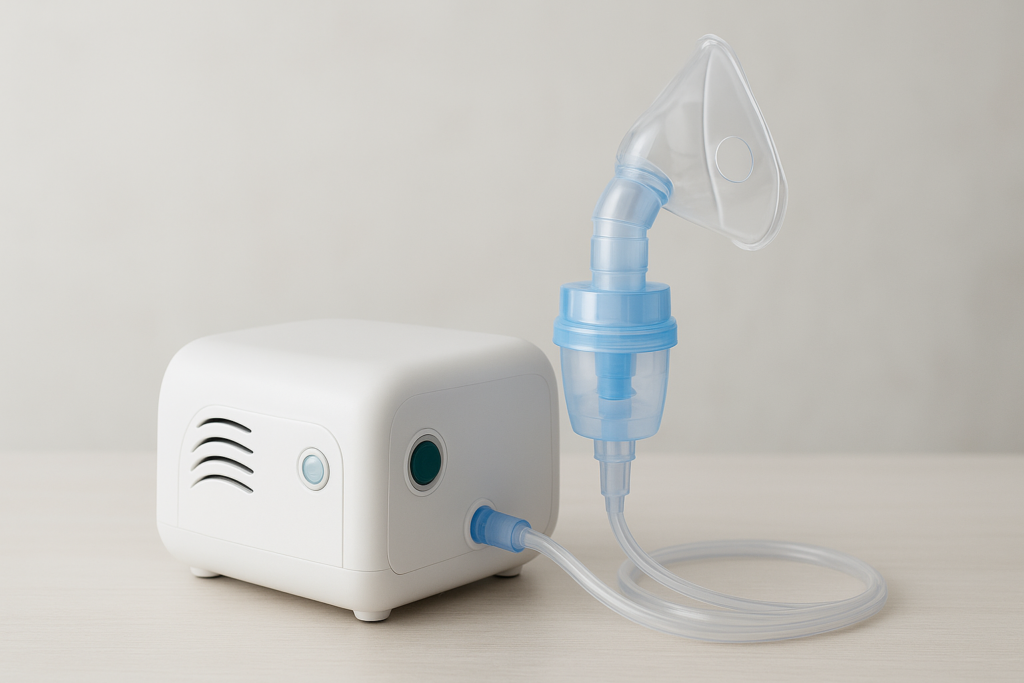
A jet nebulizer uses a compressor to push air through a liquid medication chamber, turning the medicine into a fine mist that can be inhaled through a mouthpiece or mask. In simple terms, the compressor creates airflow, the nebulizer cup breaks the liquid into aerosol particles, and the user breathes in the mist over a treatment session.
That basic design is one reason jet nebulizers are so common for home use. They’re familiar, easy to find, and often a practical fit for people managing asthma, COPD, bronchitis, or other respiratory therapy routines prescribed by a clinician.
Performance can vary from one model to another. The compressor’s strength, the design of the nebulizer cup, and how well the mask or mouthpiece fits all affect how comfortable and consistent the treatment feels.
How to Choose the Right Model
When comparing jet nebulizers, start with the basics that affect daily use rather than marketing claims alone.
- Treatment time and aerosol output: Look for a model that delivers a steady mist without making sessions unnecessarily long.
- Noise level and vibration: Jet nebulizers are usually louder than mesh devices, but some compressors are noticeably more comfortable to use.
- Portability, size, and power source: A compact unit may be easier to store, while a larger base can feel more stable during treatment.
- Medication cup capacity and assembly: Simple setup and easy filling can make a big difference for caregivers and frequent users.
- Mask options: Families often benefit from both adult and child mask sizes, plus a mouthpiece for older users.
- Cleaning and replacement parts: Choose a model with straightforward maintenance and readily available accessories.
- Warranty and brand reputation: A better warranty and accessible support can improve long-term value.
Best Jet Nebulizer Features to Look For
The best value usually comes from a model that balances performance, durability, and ease of use. Helpful features include:
- Consistent particle size and efficient mist output
- Clear instructions and simple controls
- Durable tubing, masks, and medication chamber materials
- A stable base with anti-slip design
- Long enough tubing for comfortable positioning
- Compatibility with standard replacement accessories
If a device is difficult to assemble or clean, it may be less convenient in real life even if the upfront price looks attractive.
Best Jet Nebulizer Picks by User Type
Different households need different strengths. Instead of chasing the most expensive unit, match the design to the way it will actually be used.
- Best for families with children: Look for a quiet-enough compressor, child-sized mask options, and simple one-button operation.
- Best for adults needing frequent treatments: Prioritize durability, consistent output, and easy replacement parts.
- Best budget option: Choose a basic model from a reputable brand with clear cleaning instructions and standard accessories.
- Best for heavy-duty or repeated daily use: Focus on build quality, stable airflow, and a strong warranty.
- Best compact option: A smaller footprint can help if storage space is limited, as long as the unit still feels sturdy.
If you’re comparing products for a child, it’s especially important to follow clinician guidance on the device, mask fit, and treatment routine.
Jet Nebulizer vs Mesh and Ultrasonic Models
Jet nebulizers are often chosen because they’re affordable, familiar, and widely compatible with many prescribed nebulized medications. Mesh nebulizers are usually quieter and more portable, while ultrasonic models can be compact and fast in some situations.
Each type has trade-offs:
- Cost: Jet nebulizers are often the most budget-friendly option.
- Noise: Mesh models are typically quieter; jet units usually make more compressor noise.
- Maintenance: Jet nebulizers are straightforward, but they still need regular cleaning and part replacement.
- Medication compatibility: Jet nebulizers are commonly used with a broad range of prescribed treatments, but compatibility always depends on the medication and device instructions.
- Portability: Mesh devices often win here, while jet units are usually better suited to home or bedside use.
For many households, the best choice is not the quietest or smallest device, but the one that fits the prescribed treatment plan and is easiest to use correctly every day.
How to Use and Clean a Jet Nebulizer
Using a jet nebulizer is usually simple, but correct setup and cleaning matter for both performance and hygiene.
- Wash your hands before handling the device.
- Assemble the compressor, tubing, medication cup, and mask or mouthpiece according to the instructions.
- Add only the prescribed medication in the amount directed by the clinician or prescription label.
- Turn on the compressor and breathe normally through the mouthpiece or mask.
- Continue until the treatment is complete or the mist stops, following the manufacturer’s guidance.
- Disassemble the parts that need cleaning after use.
After each treatment, clean the medication cup, mask, or mouthpiece as directed by the manufacturer. Many users also need periodic disinfection and full air-drying. Replace tubing, masks, and medication cups when they show wear, discoloration, residue buildup, or damage.
Common mistakes include overfilling the cup, using damaged parts, skipping drying time, or storing components while still damp. Those issues can reduce performance and increase contamination risk.
What to Expect on Price and Value
Jet nebulizers are usually available in a wide price range. Entry-level models can be quite affordable, while higher-quality units may cost more but offer better durability, more comfortable accessories, or stronger warranty support.
The cheapest option is not always the best value. A low-cost device that breaks quickly, uses hard-to-find replacement parts, or is difficult to clean can become more expensive over time than a slightly pricier model from a reputable brand.
When comparing value, factor in replacement tubing, masks, medication cups, and the length of the warranty. Those ongoing costs can matter just as much as the initial purchase price.
Common Problems and Troubleshooting
If a jet nebulizer isn’t performing well, a few common issues are often to blame.
- Weak mist or no mist: Check the power source, tubing connections, medication cup assembly, and whether the cup is overfilled or empty.
- Excessive noise: Some compressor noise is normal, but unusual rattling or changes in sound may signal wear or a loose part.
- Condensation in tubing: This can happen during use and may require proper drying or replacement if it becomes persistent.
- Mask fit issues: A poor seal can make treatment less comfortable and less effective.
- Medication residue: Buildup can affect output and may mean the cup or accessory needs replacement.
If treatments seem ineffective, symptoms worsen, or the device continues to underperform after cleaning and part checks, contact a healthcare professional or replace the device as appropriate.
Frequently Asked Questions
Are jet nebulizers better than mesh nebulizers?
Not always. Jet nebulizers are often more affordable, widely available, and compatible with many medications, while mesh nebulizers are usually quieter and more portable. The better choice depends on your treatment needs, budget, and how often you use the device.
Can children use a jet nebulizer?
Yes. Many jet nebulizers are designed for children with child-sized masks and simple operation. Always follow a clinician’s instructions for medication, dosage, and treatment duration.
How noisy is a jet nebulizer?
Jet nebulizers are typically louder than mesh models because they use a compressor. Noise levels vary by brand and build quality, so look for models marketed as low-noise if that matters to you.
How often should I clean my nebulizer?
Clean the medication cup, mask, or mouthpiece after each use and follow the manufacturer’s instructions for disinfection and drying. Proper cleaning helps maintain performance and reduce contamination risk.
What medications can be used in a jet nebulizer?
Many common nebulized medications can be used in jet nebulizers, but compatibility depends on the prescription and device instructions. Always confirm with a healthcare professional or pharmacist before use.
Final Take
The best jet nebulizer is usually the one that fits your routine, supports consistent delivery, and is easy to maintain over time. For many households, that means choosing a durable compressor model with standard accessories, clear instructions, and replacement parts that are easy to find.
Compare the features that matter most for your situation, keep cleaning and maintenance simple, and choose a device that matches your clinician’s treatment plan.
Compare top-rated jet nebulizers and choose the model that fits your treatment routine, budget, and household needs.
Affiliate disclosure: This article may include affiliate links. If you click and buy, we may earn a commission at no extra cost to you.
Medical disclaimer: This content is for informational purposes only and is not medical advice. Consult a clinician or respiratory therapist for device and medication selection, and always follow manufacturer instructions for cleaning, maintenance, and approved medications.
Comparison snapshot

A Simple Technique People Use Before Bed
A short routine designed to help your body relax and unwind naturally.
- ✔ Easy to learn and takes only a few minutes
- ✔ No equipment or supplements required
- ✔ Popular among people struggling to relax at night
| Product | Rating | Reviews | Availability |
|---|---|---|---|
| Men's KnitFlex Breeze Mesh Sneakers Oxfords Lace-Up Lightweight Casual Walking Shoes | 4.6 | 14,100 | Available from Amazon |
| Women's Charged Surge 4 Running Shoe | 4.5 | 5,600 | Available from Amazon |
| Mens Running Shoes Slip On Tennis Walking Sneakers Workout Athletic Lightweight Casual Sport Shoes | 4.2 | 909 | Available from Amazon |
| Nike Women's Court Vision Low Next Nature Shoes | 4.5 | 5,200 | Available from Amazon |
| Steel Toe Shoes for Men Work Shoes Lightweight Safety Sneakers with Kevlar Puncture Resistant Midsole for Construction Warehouse Work | 4.2 | 1,300 | Available from Amazon |
Pros and cons
Pros
- Clearer shortlist for best jet nebulizer.
- Helps compare trade-offs before buying.
- Includes editorial review checkpoints.
Cons
- Pricing and availability should be verified on Amazon.
- Best choice depends on your use case.
- Product listings may change after publication.
Frequently asked questions
Are jet nebulizers better than mesh nebulizers?
Not always. Jet nebulizers are often more affordable, widely available, and compatible with many medications, while mesh nebulizers are usually quieter and more portable. The better choice depends on your treatment needs, budget, and how often you use the device.
Can children use a jet nebulizer?
Yes. Many jet nebulizers are designed for children with child-sized masks and simple operation. Always follow a clinician’s instructions for medication, dosage, and treatment duration.
How noisy is a jet nebulizer?
Jet nebulizers are typically louder than mesh models because they use a compressor. Noise levels vary by brand and build quality, so look for models marketed as low-noise if that matters to you.
How often should I clean my nebulizer?
Clean the medication cup, mask, or mouthpiece after each use and follow the manufacturer’s instructions for disinfection and drying. Proper cleaning helps maintain performance and reduce contamination risk.
What medications can be used in a jet nebulizer?
Many common nebulized medications can be used in jet nebulizers, but compatibility depends on the prescription and device instructions. Always confirm with a healthcare professional or pharmacist before use.
How to choose best jet nebulizer
- Define your requirements
- Compare credible options
- Check current availability and terms
- Choose the best fit for your budget