
Recommended picks
This article may include affiliate links. If you click and buy, we may earn a commission at no extra cost to you.

4.5 rating 12,800 reviews
Check on Amazon
4.6 rating 5,200 reviews
Check on Amazon
4.6 rating 57,800 reviews
Check on AmazonQuick answer
A clear, safety-first cleaning routine for nebulizer parts that helps prevent contamination, maintain performance, and support effective respiratory treatments.
Key takeaways
- What parts of a nebulizer need to be cleaned after each use?
- How often should nebulizer equipment be disinfected?
- Can you wash nebulizer parts with soap and water?
- What should you avoid when cleaning a nebulizer?
How to Clean Nebulizer Equipment Safely and Thoroughly
A practical step-by-step guide for keeping your device hygienic, working properly, and ready for the next treatment
Keeping nebulizer equipment clean is one of the simplest ways to support reliable treatments and reduce contamination risk. The exact care routine can vary by brand and part material, so your device manual should always come first. Still, most users can follow a safe, repeatable process for daily cleaning, periodic disinfection, and timely replacement.
In this guide, you’ll learn what to clean, what to avoid, and how to dry and store parts correctly after each use.
What nebulizer equipment needs cleaning

A Simple Technique People Use Before Bed
A short routine designed to help your body relax and unwind naturally.
- ✔ Easy to learn and takes only a few minutes
- ✔ No equipment or supplements required
- ✔ Popular among people struggling to relax at night
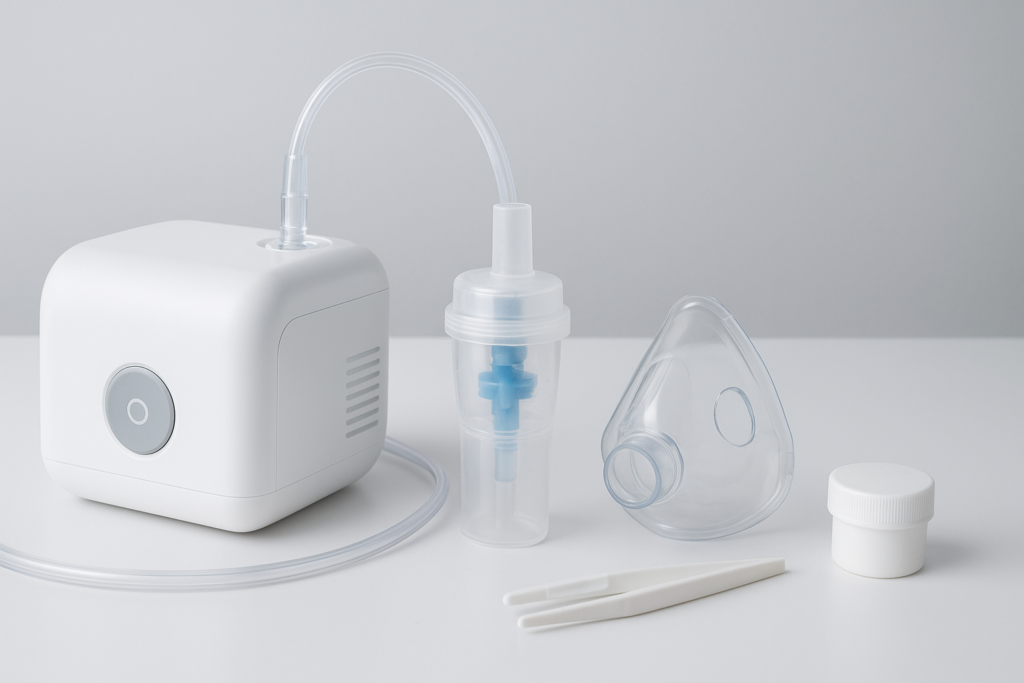
Focus on the parts that touch medication, moisture, or your mouth and nose. These are the components most likely to collect residue and should usually be cleaned after every treatment:
- Nebulizer cup or medication chamber
- Mouthpiece or mask
- Reusable connectors or adapters that come into contact with mist or medication
Some parts should not be washed or submerged unless the manufacturer specifically allows it. That often includes the compressor unit and certain tubing systems. It also helps to understand the difference between cleaning, disinfecting, and replacing parts:
- Cleaning removes visible residue with soap and water.
- Disinfecting uses an approved method to reduce germs on parts that are designed for it.
- Replacing means swapping out worn or damaged parts that no longer perform properly.
Supplies you need before you start
Gather everything first so the process stays simple and efficient:
- Mild dish soap and clean warm water
- A clean bowl or sink reserved for medical equipment
- A lint-free towel or paper towel for drying nearby surfaces
- An optional disinfecting method approved by the manufacturer
- Clean, dry hands before handling the parts
If you use a shared household sink, make sure it is cleaned before and after the nebulizer parts are washed.
Step-by-step cleaning process after each use
- Turn off and unplug the compressor before handling any equipment.
- Disassemble the nebulizer cup, mouthpiece or mask, and any other washable parts.
- Wash the parts in warm water with a small amount of mild soap.
- Rinse thoroughly until all soap residue is gone.
- Shake off excess water and place the parts on a clean surface to air-dry completely.
Do not rush the drying step. Moisture left inside the cup or mask can interfere with storage and may contribute to contamination risk.
How to disinfect nebulizer parts safely
Disinfection is not the same as routine washing, and it should only be done as often as the manufacturer recommends. Some devices allow specific methods such as boiling, vinegar-based solutions, or approved disinfectant products, while others do not.
Before disinfecting, check whether each part is heat-safe or chemically compatible. Never expose parts to a method they were not designed to handle. After disinfection, let every component dry fully before reassembly or storage.
If your manual gives a specific schedule, follow that schedule rather than guessing. When in doubt, ask a clinician or respiratory therapist which method is appropriate for your model.
What not to do when cleaning nebulizer equipment
- Do not use harsh cleaners, bleach, or abrasive scrubbers unless the manufacturer approves them.
- Do not wipe internal compressor parts with water.
- Do not reassemble or store damp parts.
- Do not share nebulizer equipment between users unless it has been properly cleaned and disinfected according to instructions.
Avoiding these mistakes helps protect the device and keeps the cleaning routine consistent.
How to store equipment between treatments
Once the parts are fully dry, store them in a clean, covered container or bag. Keep the compressor in a dust-free area away from moisture, and place tubing so it stays straight and untangled to reduce wear.
Bathrooms and other humid spaces are not ideal storage locations. A dry cabinet or shelf is usually a better choice.
When to replace nebulizer parts
Even with good care, nebulizer parts wear out over time. Replace components that are cracked, cloudy, warped, sticky, or discolored. You should also follow the manufacturer’s routine replacement schedule for items such as tubing, masks, and medication cups.
If a part no longer fits securely or seems to affect mist delivery, it is time to replace it. Building replacement into your hygiene routine can help keep maintenance simple.
Cleaning tips for children, seniors, and frequent users
For children, seniors, and people who use a nebulizer often, the best routine is the one that is easy to repeat. A short checklist can help caregivers and users stay consistent.
- Keep the steps simple and in the same order each time.
- Pay extra attention to masks and mouthpieces so they stay comfortable and clean.
- Give parts enough time to dry fully, especially for daily users.
- Ask a clinician if there are recurring infections, unusual residue, or concerns about device performance.
Frequently asked questions
How often should nebulizer equipment be cleaned?
Most nebulizer parts should be cleaned after every use, while disinfection is typically done less often and according to the manufacturer’s instructions.
Can I wash nebulizer parts in the dishwasher?
Only if the manufacturer specifically says the parts are dishwasher-safe. Many nebulizer components can be damaged by high heat or harsh detergents.
Is vinegar safe for disinfecting nebulizer parts?
Some manufacturers allow vinegar-based disinfection, but others do not. Always check the device instructions before using any disinfecting solution.
How do I know when nebulizer parts need replacing?
Replace parts that are cracked, cloudy, sticky, warped, or no longer fit securely. Follow the product’s replacement schedule as well.
Can I dry nebulizer parts with a towel?
Air-drying is usually preferred. Towels can leave lint or introduce germs, so use a clean, dry surface and let parts dry completely.
Final take
A careful cleaning routine can help keep nebulizer equipment in good working order and support more consistent treatments. The key is to clean after each use, disinfect only when appropriate, dry thoroughly, and replace worn parts on schedule. For the safest results, always follow the instructions for your exact model.
Need a cleaner, safer routine? Follow the steps above after each treatment and check your device manual for model-specific care instructions.
Related reading: How to Clean Nebulizer, Nebulizer Maintenance Guide, Nebulizer Parts Replacement, Respiratory Therapy Equipment Care, How to Use a Nebulizer
Affiliate disclosure: This article may include affiliate links. If you click and buy, we may earn a commission at no extra cost to you.
Medical disclaimer: This content is for informational purposes only and is not medical advice. Consult a clinician or respiratory therapist for device and medication selection, and always follow manufacturer instructions for cleaning, maintenance, and approved medications.
Comparison snapshot
| Product | Rating | Reviews | Availability |
|---|---|---|---|
| Women’s VL Court 3.0 Sneaker | 4.5 | 12,800 | Available from Amazon |
| Nike Women's Court Vision Low Next Nature Shoes | 4.6 | 5,200 | Available from Amazon |
| Men's Charged Assert 9 Running Shoe | 4.6 | 57,800 | Available from Amazon |
| Men's KnitFlex Breeze Mesh Sneakers Oxfords Lace-Up Lightweight Casual Walking Shoes | 4.6 | 14,100 | Available from Amazon |
| Nike Men's Air Monarch IV Training/Workout Shoes | 4.4 | 30,000 | Available from Amazon |
Pros and cons
Pros
- Clearer shortlist for how to clean nebulizer equipment.
- Helps compare trade-offs before buying.
- Includes editorial review checkpoints.
Cons
- Pricing and availability should be verified on Amazon.
- Best choice depends on your use case.
- Product listings may change after publication.
Frequently asked questions
How often should nebulizer equipment be cleaned?
Most nebulizer parts should be cleaned after every use, while disinfection is typically done less often and according to the manufacturer’s instructions.
Can I wash nebulizer parts in the dishwasher?
Only if the manufacturer specifically says the parts are dishwasher-safe. Many nebulizer components can be damaged by high heat or harsh detergents.
Is vinegar safe for disinfecting nebulizer parts?
Some manufacturers allow vinegar-based disinfection, but others do not. Always check the device instructions before using any disinfecting solution.
How do I know when nebulizer parts need replacing?
Replace parts that are cracked, cloudy, sticky, warped, or no longer fit securely. Follow the product’s replacement schedule as well.
Can I dry nebulizer parts with a towel?
Air-drying is usually preferred. Towels can leave lint or introduce germs, so use a clean, dry surface and let parts dry completely.
How to choose how to clean nebulizer equipment
- Define your requirements
- Compare credible options
- Check current availability and terms
- Choose the best fit for your budget