
Recommended picks
This article may include affiliate links. If you click and buy, we may earn a commission at no extra cost to you.

4.5 rating 104,200 reviews
Check on Amazon
4.6 rating 89,300 reviews
Check on Amazon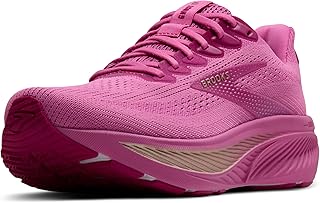
4.5 rating 2,900 reviews
Check on AmazonQuick answer
Provide a clear, safety-first cleaning routine for home nebulizer users, including daily care, disinfection, drying, and common mistakes to avoid.
Key takeaways
- How often should a nebulizer machine be cleaned?
- What parts of a nebulizer can be washed?
- Can you boil nebulizer parts to disinfect them?
- How do you dry nebulizer parts after cleaning?
How to Clean a Nebulizer Machine Safely and Thoroughly
A practical step-by-step guide for keeping your device hygienic, working properly, and ready for the next treatment
Keeping a nebulizer clean is one of the simplest ways to support safe, reliable home use. The exact routine depends on your model, but the basics are usually the same: wash removable parts, dry them completely, and disinfect only when your manufacturer says it is appropriate.
What a nebulizer machine is and why cleaning matters
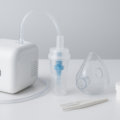
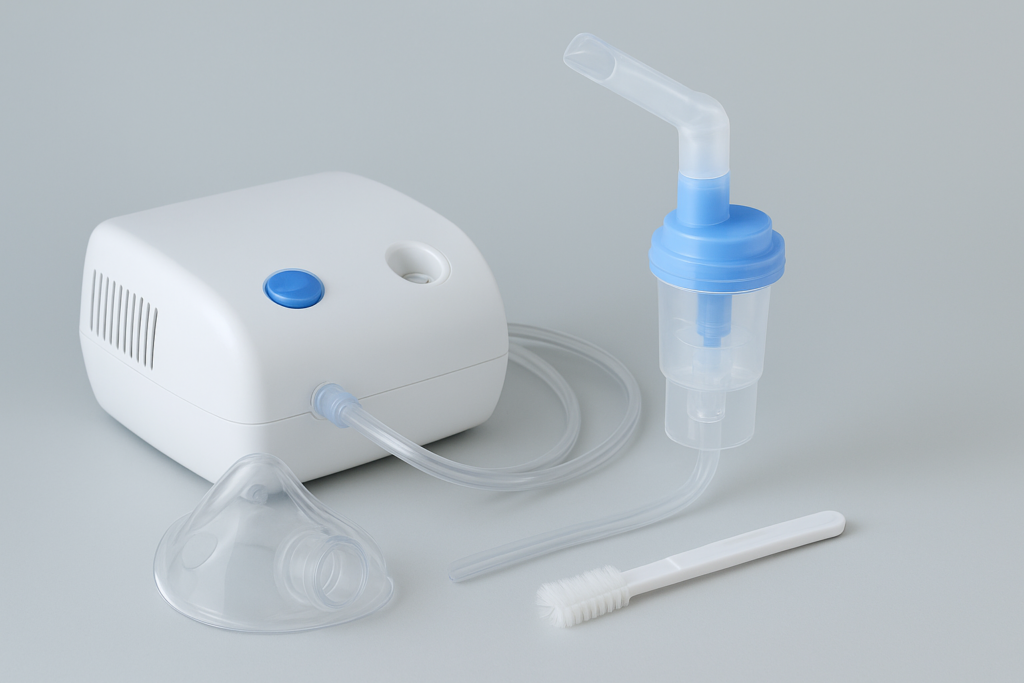
A nebulizer turns liquid medication into a fine mist that can be inhaled through a mouthpiece or mask. Most home systems include a compressor or machine base, tubing, a medication cup, and either a mouthpiece or mask. Some models also use filters or other replaceable parts.
Because these devices handle moisture and medication residue, buildup can happen over time. If parts are not cleaned properly, residue may collect, moisture can linger, and germs may have a place to grow. That is why routine care matters for both hygiene and device performance.
For general maintenance guidance, you may also find these resources helpful:
What you need before you start
- Mild dish soap or an approved cleanser recommended for your device
- Clean water
- A clean towel or paper towel
- A clean bowl or basin for washing removable parts
- Your manufacturer instructions for model-specific guidance
Before you begin, check the user manual. Cleaning and disinfection steps can vary by device, and some parts should not be washed, soaked, or disinfected in the same way as others.
Step-by-step: how to clean the nebulizer parts
- Turn off and unplug the machine before handling any parts.
- Separate the medication cup, mouthpiece, mask, tubing, and filters only as instructed by the manufacturer.
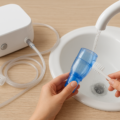
- Wash removable parts in warm soapy water unless your manual says otherwise.
- Rinse each part thoroughly to remove all soap residue.
- Shake off excess water and place the parts on a clean surface to air-dry completely.
Do not rush the drying step. Reassembling damp parts can trap moisture and make the device harder to keep clean.
How to disinfect nebulizer components
Routine washing is not always the same as disinfection. In many cases, washing after each treatment is the daily step, while disinfection is done on a less frequent schedule if the manufacturer or healthcare professional recommends it.
Only use disinfection methods approved for your exact model. Some devices may allow boiling or a vinegar solution, but others do not. Never assume a method is safe just because it is commonly mentioned online.
Also keep in mind that tubing and compressor parts usually should not be submerged. If your manual does not clearly say a part can be washed or disinfected, treat it as sensitive and verify first.
How to clean the compressor or machine base
The compressor or machine base should be cleaned differently from the removable treatment parts. Wipe the exterior with a slightly damp cloth, and keep vents, cords, plugs, and other electrical parts dry.
Never immerse the compressor in water. If your model uses a filter, check the replacement schedule in the manual and replace it as recommended. A clogged or worn filter can affect airflow and overall performance.
How often to clean and replace parts
As a general rule, clean removable nebulizer parts after each treatment. Some devices also call for a more thorough disinfection schedule, such as daily or weekly, depending on the part and the manufacturer’s instructions.
Replace masks, tubing, filters, and medication cups according to the schedule in your manual or when they show signs of wear. Common signs that parts may need replacement include:
- Cracks or splits
- Cloudy or discolored plastic
- Persistent residue that does not wash away
- Loose fittings or poor connections
- Reduced mist output or blocked airflow
Common mistakes to avoid
- Using hot water or harsh chemicals that are not approved for the device
- Reassembling parts before they are fully dry
- Storing damp parts in a closed container
- Washing tubing or filters when the manual says not to
- Sharing a nebulizer without proper sanitizing and part replacement
These mistakes can shorten the life of the device and make routine care less effective. When in doubt, pause and check the instructions rather than guessing.
When to stop using the device and get help
Stop using the nebulizer and seek guidance if you notice cracks, persistent cloudiness, unusual odor, blocked airflow, or poor mist output. These can be signs that a part is damaged, worn out, or not cleaning properly.
Contact a pharmacist, clinician, respiratory therapist, or the manufacturer if you are unsure whether a part can be cleaned, disinfected, or replaced. This is especially important for pediatric users, older devices, or any home equipment used by someone with higher care needs.
Quick answers to common nebulizer cleaning questions
How often should a nebulizer machine be cleaned?
Clean the removable parts after each treatment, and disinfect them as often as the manufacturer or your healthcare provider recommends.
What parts of a nebulizer can be washed?
Usually the medication cup, mouthpiece, and mask can be washed if the manual allows it. Tubing, filters, and electrical parts often have different rules, so check the instructions first.
Can you boil nebulizer parts to disinfect them?
Only if the manufacturer specifically approves boiling for your model. Some parts can be damaged by heat, so never assume boiling is safe for every device.
How do you dry nebulizer parts after cleaning?
Place them on a clean towel or paper towel and let them air-dry completely before storing or reassembling.
What should you do if nebulizer parts look cloudy or damaged?
Replace them if the cloudiness, cracks, or residue do not come off with proper cleaning. Damaged parts should not be used.
Can you use vinegar or soap to clean a nebulizer?
Soap is commonly used for washing removable parts, but only if your manual allows it. Vinegar may be permitted for some devices, but not all, so manufacturer approval is essential.
How do you clean a nebulizer compressor or machine base?
Wipe the outside with a clean, slightly damp cloth and keep all vents, cords, and electrical components dry. Do not immerse the compressor in water.
Final takeaway
The safest way to clean a nebulizer machine is to follow the model-specific instructions, wash removable parts carefully, dry everything completely, and replace worn components on schedule. A few minutes of routine care can help keep the device ready for the next treatment.
Check your nebulizer’s user manual now and follow the cleaning schedule recommended for your exact model.
Frequently asked questions
- How often should I clean my nebulizer machine?
- Clean the removable parts after each treatment, and disinfect them as often as the manufacturer or your healthcare provider recommends.
- Can I wash nebulizer tubing with water?
- Usually no. Tubing is often not meant to be washed or submerged because moisture can remain inside and affect performance. Check the device instructions.
- Can I use vinegar to disinfect nebulizer parts?
- Only if the manufacturer allows it. Some devices permit a vinegar solution, but others require a different method or a commercial disinfectant.
- How do I dry nebulizer parts properly?
- Place them on a clean towel or paper towel and let them air-dry completely before storing or reassembling.
- Do I need to clean the nebulizer compressor?
- Yes, but only the outside. Wipe the compressor with a clean damp cloth and keep all electrical parts dry.
Comparison snapshot

A Simple Technique People Use Before Bed
A short routine designed to help your body relax and unwind naturally.
- ✔ Easy to learn and takes only a few minutes
- ✔ No equipment or supplements required
- ✔ Popular among people struggling to relax at night
| Product | Rating | Reviews | Availability |
|---|---|---|---|
| Women's Go Walk Joy Slip-On Sneaker | 4.5 | 104,200 | Available from Amazon |
| Men's 608 V5 Casual Comfort Cross Trainer | 4.6 | 89,300 | Available from Amazon |
| Women’s Ghost 17 Neutral Running Shoe | 4.5 | 2,900 | Available from Amazon |
| Lae'ahi Men's Slip On Shoes, Versatile & Casual Everyday Sneaker, Lightweight & Breathable Mesh, All-Day Wear & Comfort | 4.4 | 2,500 | Available from Amazon |
| Captain Men's Lace-up Boot | 4.4 | 9,200 | Available from Amazon |
Pros and cons
Pros
- Clearer shortlist for how to clean nebulizer machine.
- Helps compare trade-offs before buying.
- Includes editorial review checkpoints.
Cons
- Pricing and availability should be verified on Amazon.
- Best choice depends on your use case.
- Product listings may change after publication.
Frequently asked questions
How often should I clean my nebulizer machine?
Clean the removable parts after each treatment, and disinfect them as often as the manufacturer or your healthcare provider recommends.
Can I wash nebulizer tubing with water?
Usually no. Tubing is often not meant to be washed or submerged because moisture can remain inside and affect performance. Check the device instructions.
Can I use vinegar to disinfect nebulizer parts?
Only if the manufacturer allows it. Some devices permit a vinegar solution, but others require a different method or a commercial disinfectant.
How do I dry nebulizer parts properly?
Place them on a clean towel or paper towel and let them air-dry completely before storing or reassembling.
Do I need to clean the nebulizer compressor?
Yes, but only the outside. Wipe the compressor with a clean damp cloth and keep all electrical parts dry.
How to choose how to clean nebulizer machine
- Define your requirements
- Compare credible options
- Check current availability and terms
- Choose the best fit for your budget