
Quick answer
Focus on performance, durability, ease of cleaning, treatment speed, and value for different user needs, with clear buying criteria and product comparison guidance.
Key takeaways
- What makes a compressor nebulizer better than other types?
- Which features matter most when choosing a nebulizer for home use?
- Are compressor nebulizers suitable for children and adults?
- How loud are compressor nebulizers and does noise matter?
Best Compressor Nebulizers for Reliable At-Home Breathing Therapy
A practical guide for families, frequent users, and anyone comparing quiet, durable, and easy-to-clean options
If you’re comparing home respiratory devices, a compressor nebulizer is often the most familiar option for steady, everyday use. The right model can make treatments simpler to manage, easier to clean, and more comfortable for different ages and routines. Below, you’ll find a practical buying guide, feature checklist, and use-case breakdown to help you compare options with confidence.
What Is a Compressor Nebulizer?
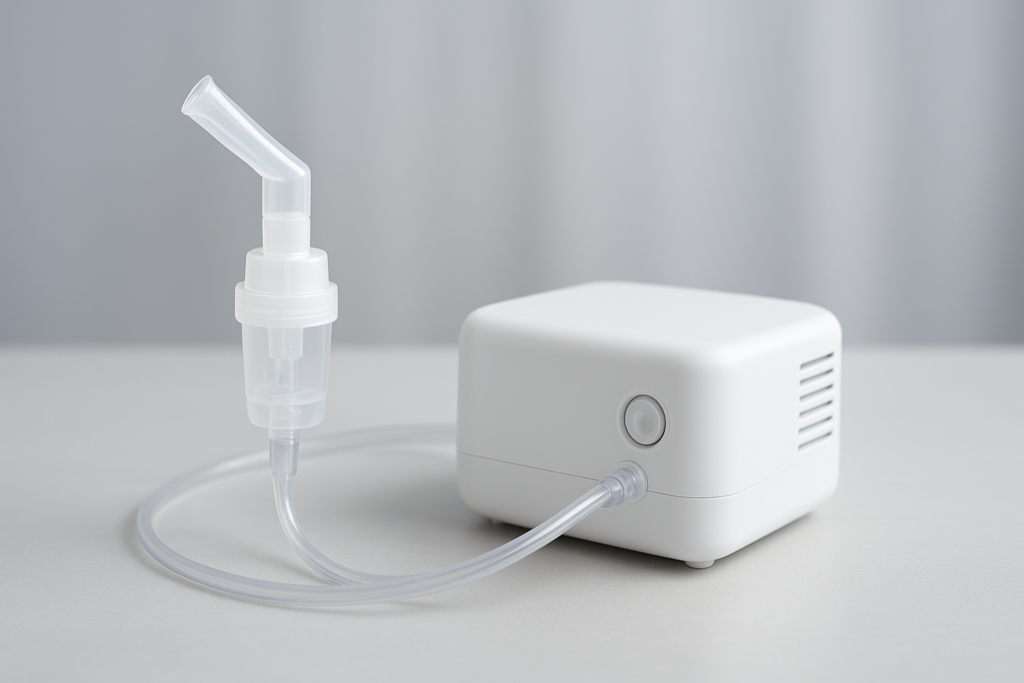
A compressor nebulizer uses compressed air to turn liquid medication into a fine mist that can be inhaled through a mouthpiece or mask. This design is widely used in home care because it is straightforward, durable, and compatible with many common treatment routines.
People often use compressor nebulizers for conditions such as asthma, COPD, or respiratory infections when a clinician has prescribed nebulized medication. They are also common in households that want a dependable device for repeated use.
Compared with mesh nebulizers, compressor models are usually bulkier and may take longer to deliver a treatment, but they are often valued for their simplicity and broad medication compatibility. Ultrasonic nebulizers can be compact and quiet, though some medications may not be suitable for every ultrasonic design. Always check the manufacturer’s instructions and your clinician’s guidance before choosing a device.
How to Choose the Right Model
When comparing compressor nebulizers, focus on the factors that affect daily use rather than marketing claims alone.
- Treatment speed and particle size: Look for manufacturer-reported performance details when available, and remember that actual results can vary by medication and technique.
- Noise level and portability: A quieter unit may be more comfortable for children or shared living spaces, while a compact design is easier to store or pack.
- Mask fit, mouthpiece quality, and tubing length: Comfortable accessories can improve the experience, especially for kids or users who need a stable setup.
- Ease of cleaning and replacement parts: Simple disassembly and readily available replacement components can make long-term ownership easier.
- Power source: Most compressor nebulizers are plug-in models, while some include battery or car-adapter options for added flexibility.
- Warranty and brand reputation: A clear warranty and established support can be useful if you plan to use the device regularly.
Best Compressor Nebulizer Features to Look For
The best compressor nebulizer for your needs is usually the one that balances reliable output with easy day-to-day handling. These features are worth prioritizing:
- Consistent mist output for dependable sessions
- Child and adult mask compatibility
- Simple one-button operation
- Compact storage and travel-friendly design
- Low-maintenance parts and easy disassembly
- Included accessories and spare filters
If you expect frequent use, a model with durable parts and easy replacement options may offer better long-term value than a cheaper kit with limited support.
Top Use Cases by User Type
Different users value different features, so it helps to compare models based on how they’ll actually be used.
- Best for kids: Prioritize comfort, a secure fit, and shorter sessions where possible. A child-friendly mask and manageable noise level can help with cooperation.
- Best for adults: Focus on performance, durability, and a setup that is easy to use repeatedly.
- Best for frequent users: Choose a unit that is easy to clean, simple to reassemble, and supported by replacement parts.
- Best for travel: Look for a compact footprint, organized storage, and a carrying case if included.
- Best for budget buyers: Stick to essential features and avoid paying extra for accessories you won’t use.
How to Use and Clean It Properly
Always follow the device manual and your clinician’s instructions for setup and medication use. In general, a treatment session starts with assembling the prescribed medication cup, tubing, and mask or mouthpiece, then connecting the compressor and beginning the session as directed.
After each use, many manufacturers recommend rinsing the medication cup and mask or mouthpiece, then letting the parts air-dry completely. Some components may be washable, while others should not be submerged or exposed to certain cleaning methods. Check the manual before using soap, disinfectants, or sterilization steps.
For deeper cleaning, follow the manufacturer’s schedule and drying instructions to help reduce buildup. Replace tubing, filters, masks, and medication cups when they show wear or when the manufacturer recommends it. Keep medications stored and handled exactly as prescribed, and never change delivery methods without professional guidance.
Common Mistakes to Avoid
- Choosing based on price alone
- Ignoring noise and session length
- Buying a kit with poor accessory quality
- Skipping maintenance and filter replacement
- Using the wrong mask size or medication cup
These issues can make a device harder to use day to day, even if the base unit looks appealing on paper.
Compressor Nebulizer vs. Other Nebulizer Types
Compressor models are often the better choice when you want a familiar, durable device for home use and broad compatibility with prescribed treatments. They are especially practical if you value straightforward operation and easy access to replacement parts.
Mesh nebulizers may be more convenient when portability and quiet operation matter most. They can be a strong option for travel or quick sessions, depending on the medication and device design.
Ultrasonic nebulizers can also be compact, but they are not always suitable for every medication. If you are comparing types, the safest approach is to match the device to the medication instructions and your clinician’s recommendation.
Quick decision guide: choose compressor for dependable home use, mesh for portability and convenience, and ultrasonic only when the medication and device are clearly compatible.
Frequently Asked Questions
Are compressor nebulizers good for daily use?
Yes, many are designed for regular home treatment, especially when durability and consistent mist output matter more than portability.
Do compressor nebulizers work for children?
Yes, many models include child masks or smaller mouthpieces, but comfort, noise, and fit are important when choosing one for kids.
How long does a treatment usually take?
Treatment time varies by medication and device performance, but compressor models often take longer than mesh nebulizers.
How often should I clean a nebulizer?
Rinse and dry parts after each use, and perform a deeper clean according to the manufacturer’s instructions.
What should I replace over time?
Common replacement items include masks, tubing, filters, and medication cups, depending on wear and the manufacturer’s guidance.
Related Guides
Final Take
If you want a dependable home device with a simple setup and broad everyday usefulness, a compressor nebulizer is often a strong place to start. Compare models by cleaning ease, accessory quality, noise, and long-term support—not just the sticker price. That approach makes it easier to find a unit that fits your routine and stays practical over time.
Compare the top compressor nebulizer options and choose the one that fits your treatment routine, budget, and comfort needs.
Affiliate disclosure: This article may include affiliate links. If you click and buy, we may earn a commission at no extra cost to you.
Medical disclaimer: This content is for informational purposes only and is not medical advice. Consult a clinician or respiratory therapist for device and medication selection, and always follow manufacturer instructions for cleaning, maintenance, and approved medications.
Pros and cons
Pros
- Clearer shortlist for best compressor nebulizer.
- Helps compare trade-offs before buying.
- Includes editorial review checkpoints.
Cons
- Pricing and availability should be verified on Amazon.
- Best choice depends on your use case.
- Product listings may change after publication.
Frequently asked questions

A Simple Technique People Use Before Bed
A short routine designed to help your body relax and unwind naturally.
- ✔ Easy to learn and takes only a few minutes
- ✔ No equipment or supplements required
- ✔ Popular among people struggling to relax at night
Are compressor nebulizers good for daily use?
Yes, many are designed for regular home treatment, especially when durability and consistent mist output matter more than portability.
Do compressor nebulizers work for children?
Yes, many models include child masks or smaller mouthpieces, but comfort, noise, and fit are important when choosing one for kids.
How long does a treatment usually take?
Treatment time varies by medication and device performance, but compressor models often take longer than mesh nebulizers.
How often should I clean a nebulizer?
Rinse and dry parts after each use, and perform a deeper clean according to the manufacturer’s instructions.
What should I replace over time?
Common replacement items include masks, tubing, filters, and medication cups, depending on wear and the manufacturer’s guidance.
How to choose best compressor nebulizer
- Define your requirements
- Compare credible options
- Check current availability and terms
- Choose the best fit for your budget