
Quick answer
Focus on performance, ease of maintenance, noise level, coverage area, and safety considerations so readers can confidently choose a nebulizer that delivers pure, waterless aromatherapy.
Key takeaways
- What is an essential oil nebulizer and how does it work?
- How is a nebulizer different from an ultrasonic diffuser?
- What features matter most when choosing a nebulizer?
- Which nebulizers are best for bedrooms, offices, and large rooms?
Best Essential Oil Nebulizers for Cleaner, Stronger Aromatherapy at Home
A practical guide for buyers who want quiet diffusion, easy cleaning, and the right fit for small rooms, bedrooms, or wellness spaces.
If you want a waterless diffuser that delivers a noticeable aroma without adding humidity, an essential oil nebulizer is worth a close look. These devices are popular with shoppers who care about scent strength, room coverage, and a more direct aromatherapy experience. In this guide, we’ll compare how nebulizers work, what features matter most, and how to choose a model that fits your space and routine.
What an Essential Oil Nebulizer Is
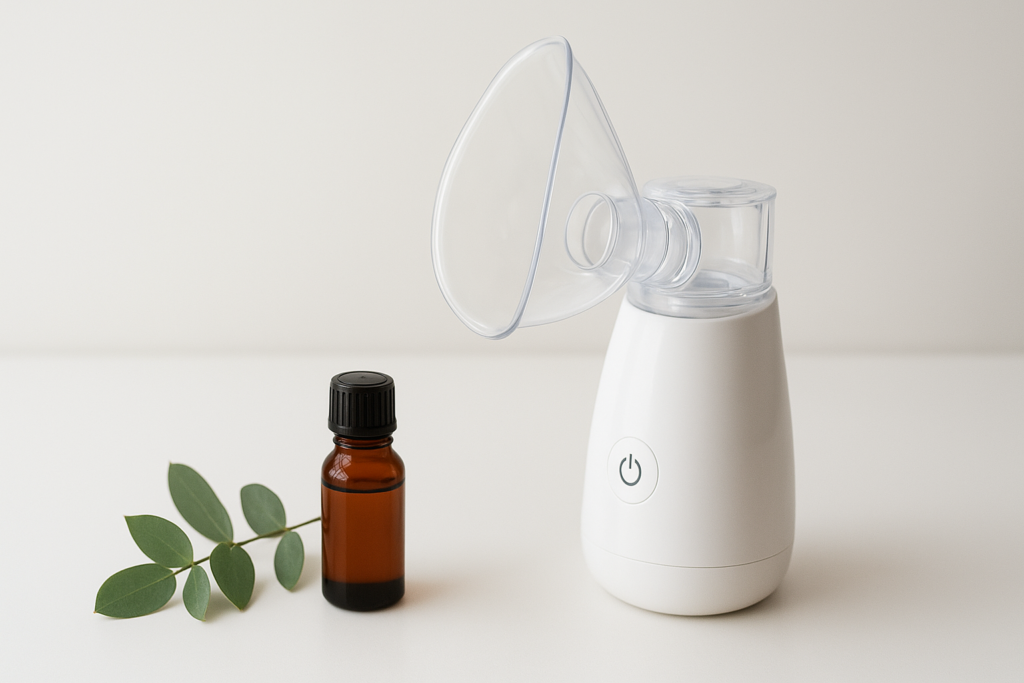
An essential oil nebulizer is a waterless diffuser that atomizes pure essential oil into a fine mist. Instead of mixing oil with water, it uses air pressure or a small motorized system to break the oil into tiny particles and release them into the air.
Because the oil is dispersed in a concentrated form, nebulizers often produce a stronger aroma than many other diffuser types. That makes them appealing for people who want a more noticeable scent in a bedroom, office, or living area.
They’re best suited to users who prioritize fragrance intensity, want to avoid water refills, and don’t mind a bit more maintenance than a basic ultrasonic diffuser. If you prefer a lighter scent or want a device that also adds humidity, another diffuser style may be a better fit.
Nebulizer vs. Ultrasonic Diffuser
These two diffuser types can look similar, but they work differently and create a different experience.
- Scent strength: Nebulizers usually deliver a more concentrated aroma because they use undiluted oil.
- Moisture output: Ultrasonic diffusers add water vapor; nebulizers do not.
- Noise: Ultrasonic models are often very quiet, while nebulizers may produce a soft motor sound or hum.
- Maintenance: Nebulizers generally need more frequent cleaning because pure oil can leave residue.
Choose a nebulizer if you want stronger scent output, a waterless setup, and a more direct aromatherapy feel. Choose an ultrasonic diffuser if you want a gentler aroma, added humidity, or a simpler everyday routine.
Quick decision guide:
- Bedroom: Look for a low-noise nebulizer with a timer and intermittent mode.
- Office: Prioritize compact size, easy refilling, and adjustable intensity.
- Large room: Focus on coverage ratings and stronger output settings.
- Low-maintenance preference: An ultrasonic diffuser may be easier to live with.
How to Choose the Right Model
The best essential oil nebulizer for your home depends on how much space you want to scent and how often you’re willing to clean it.
- Coverage area and room size: Check the manufacturer’s recommended square footage, then choose a model that matches your actual room conditions.
- Noise level: If you plan to use it while sleeping or working, look for user reviews that mention low-noise operation.
- Run time and timer settings: Intermittent modes and auto shutoff can help control scent intensity and oil use.
- Bottle capacity: Larger bottles mean fewer refills, but smaller bottles can be more convenient for travel or occasional use.
- Build quality: Glass and metal components often feel more durable, while lightweight plastic models may be easier to move around.
- Cleaning and parts availability: A model is easier to own long term if replacement parts, cleaning tools, or spare bottles are easy to find.
Best Essential Oil Nebulizer Features to Prioritize
Not every nebulizer offers the same level of control or convenience. These features are especially useful when comparing options:
- Adjustable mist intensity: Helps you fine-tune scent strength for different rooms and times of day.
- Auto shutoff and timer functions: Useful for conserving oil and avoiding overuse in enclosed spaces.
- Glass or metal components: Often easier to keep clean and may hold up better than cheaper materials.
- Stable base and spill-resistant design: Important if the device will sit on a nightstand, desk, or shelf.
- Quiet operation: A major plus for bedrooms, meditation areas, and shared workspaces.
If you’re comparing two similar models, the one with better controls and easier maintenance is often the smarter long-term buy.
Top Use Cases by Room and Lifestyle
Different spaces call for different diffuser priorities.
- Bedroom: Choose a quieter model with a timer, low output setting, and stable base.
- Home office: Look for a compact design that won’t distract during calls or focused work.
- Living room: A stronger-output nebulizer can help distribute scent across a larger shared space.
- Yoga, spa, or wellness studio: Prioritize consistent output, attractive materials, and easy cleaning between sessions.
- Travel or small-space use: A portable model with a smaller footprint may be more practical than a larger unit.
How to Use a Nebulizer Safely and Effectively
For the best results, use pure essential oils that are approved by the manufacturer and avoid overfilling the reservoir.
- Placement: Set the device on a flat, stable surface away from direct sunlight, electronics, and delicate finishes.
- Airflow: Leave enough open space around the unit so the mist can disperse naturally.
- Session length: Shorter sessions are often enough for small rooms; larger spaces may need more time or a higher setting.
- Pets and children: Keep oils and devices out of reach, and avoid use in spaces where sensitive animals or young children are present without careful consideration.
- Sensitive users: If anyone in the home has fragrance sensitivity or asthma, start with very short sessions and stop if irritation occurs.
Because nebulizers disperse undiluted oils, they are not always ideal for continuous use in enclosed rooms. Use them in a way that matches the room size, ventilation, and the manufacturer’s guidance.
Cleaning and Maintenance Tips
Regular cleaning matters because residue can affect mist output, scent quality, and the life of the device.
- After each use: Empty any remaining oil if needed and wipe accessible surfaces according to the manufacturer’s instructions.
- Routine cleaning: Run the recommended cleaning cycle or use the approved cleaning solution to help prevent buildup.
- Deep cleaning: If output drops or the scent changes, inspect for clogs and clean the nozzle, tubing, or reservoir more thoroughly.
- Storage: Keep the unit dry and store oils tightly sealed in a cool, dark place.
If a nebulizer starts sounding different, misting unevenly, or producing a weaker aroma, residue is often the first thing to check.
Buying Guide: What to Expect at Different Price Points
Price usually reflects materials, controls, and consistency of output.
- Budget models: Often simpler and more compact, but may have fewer settings, lighter materials, and a shorter lifespan.
- Mid-range models: Usually offer a better balance of durability, control, and ease of cleaning.
- Premium models: May include refined materials, stronger output, quieter operation, and more polished design details.
It makes sense to spend more if you plan to use the device often, want a quieter experience, or prefer a model that is easier to maintain over time. If you only want occasional use in a small room, a simpler option may be enough.
Final Recommendation Framework
The best essential oil nebulizer is the one that matches your room size, scent preference, and maintenance tolerance.
- Choose stronger output: If you want a more noticeable aroma in a larger room.
- Choose quieter operation: If you’ll use it in a bedroom or office.
- Choose easier cleaning: If you want a lower-effort routine and fewer clogs.
- Choose better materials: If durability and appearance matter to you.
- Choose a timer and auto shutoff: If you want more control over sessions and oil use.
Before you buy, check this quick list:
- Room size and coverage rating
- Noise level in real user reviews
- Cleaning steps and replacement part availability
- Timer options and mist control
- Material quality and stability
For readers comparing options across the broader category, you may also want to review our guides to best nebulizer, essential oil diffuser vs nebulizer, how to clean an essential oil diffuser, best diffuser for bedroom, and best aromatherapy diffuser.
Compare the top-rated essential oil nebulizers and choose the model that fits your room size, routine, and maintenance preferences.
Frequently Asked Questions
What makes an essential oil nebulizer different from a regular diffuser?
A nebulizer disperses pure essential oil without water, creating a more concentrated aroma. Regular diffusers often use water and may produce a lighter scent with added humidity.
Are nebulizers better for large rooms?
Often yes, because they can deliver a stronger fragrance output than many ultrasonic diffusers. For very large spaces, look for models with adjustable intensity and good coverage ratings.
Do essential oil nebulizers need frequent cleaning?
Yes. Because they use undiluted oils, residue can build up faster. Regular cleaning helps maintain performance and prevents clogging.
Can I use any essential oil in a nebulizer?
Most pure essential oils work, but thicker or heavily resinous oils may clog some devices. Check the manufacturer’s recommendations before use.
Are nebulizers noisy?
Some make a soft humming or motor sound, but many are quiet enough for home use. Noise level varies by model, so it is worth checking reviews if you plan to use one in a bedroom or office.
Affiliate disclosure: This article may include affiliate links. If you click and buy, we may earn a commission at no extra cost to you.
Medical disclaimer: This content is for informational purposes only and is not medical advice. Consult a clinician or respiratory therapist for device and medication selection, and always follow manufacturer instructions for cleaning, maintenance, and approved medications.
Pros and cons
Pros
- Clearer shortlist for best essential oil nebulizer.
- Helps compare trade-offs before buying.
- Includes editorial review checkpoints.
Cons
- Pricing and availability should be verified on Amazon.
- Best choice depends on your use case.
- Product listings may change after publication.
Frequently asked questions

A Simple Technique People Use Before Bed
A short routine designed to help your body relax and unwind naturally.
- ✔ Easy to learn and takes only a few minutes
- ✔ No equipment or supplements required
- ✔ Popular among people struggling to relax at night
What makes an essential oil nebulizer different from a regular diffuser?
A nebulizer disperses pure essential oil without water, creating a more concentrated aroma. Regular diffusers often use water and may produce a lighter scent with added humidity.
Are nebulizers better for large rooms?
Often yes, because they can deliver a stronger fragrance output than many ultrasonic diffusers. For very large spaces, look for models with adjustable intensity and good coverage ratings.
Do essential oil nebulizers need frequent cleaning?
Yes. Because they use undiluted oils, residue can build up faster. Regular cleaning helps maintain performance and prevents clogging.
Can I use any essential oil in a nebulizer?
Most pure essential oils work, but thicker or heavily resinous oils may clog some devices. Check the manufacturer’s recommendations before use.
Are nebulizers noisy?
Some make a soft humming or motor sound, but many are quiet enough for home use. Noise level varies by model, so it is worth checking reviews if you plan to use one in a bedroom or office.
How to choose best essential oil nebulizer
- Define your requirements
- Compare credible options
- Check current availability and terms
- Choose the best fit for your budget