
Recommended picks
This article may include affiliate links. If you click and buy, we may earn a commission at no extra cost to you.

4.6 rating 13,100 reviews
Check on Amazon
4.6 rating 14,100 reviews
Check on Amazon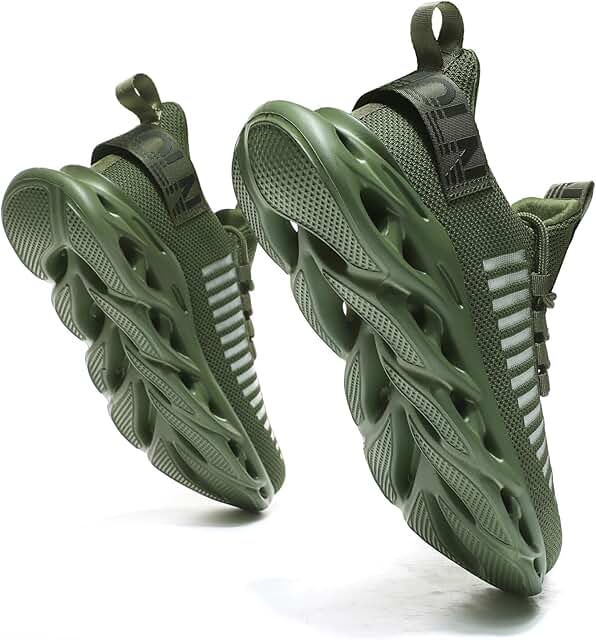
4.4 rating 5,100 reviews
Check on AmazonQuick answer
Focus on gentle, evidence-informed breathing practices that may help improve comfort, reduce breathlessness, and support lung rehabilitation during and after COVID, with clear safety guidance and red-flag symptoms.
Key takeaways
- Which breathing exercises are safe during COVID recovery?
- How often should breathing exercises be done after COVID?
- Can breathing exercises improve lung capacity after COVID?
- What should I avoid if I feel short of breath?
Breathing Exercises to Support Lung Recovery During COVID
A practical guide to gentle techniques, safety tips, and when to seek medical help while rebuilding breath capacity after illness.
If you are recovering from COVID and feel more winded than usual, gentle breathing practice may help you feel calmer, improve breath control, and make daily activity feel a little easier. The key is to keep it light, stop if symptoms worsen, and get medical help when warning signs appear.
Important: If you have chest pain, severe shortness of breath, dizziness, confusion, blue lips, fainting, or low oxygen readings, seek urgent medical care rather than trying to push through exercises.
What breathing exercises can do during COVID recovery
Gentle breathing exercises may help you slow your breathing, reduce tension, and regain confidence with everyday movement after COVID. For some people, that can make breathlessness feel more manageable and support a gradual return to normal activity.
These exercises are best thought of as supportive tools, not treatment. They do not replace testing, medication, follow-up care, or emergency evaluation when symptoms are serious. Recovery also varies from person to person, so progress may be slow and uneven.
If you are looking for a simple starting point, focus on comfort, consistency, and short sessions rather than deep or forceful breathing.
Safety first: when to avoid or pause exercises
Stop the exercise and rest if breathing feels strained, symptoms intensify, or you feel unwell. Do not continue if you notice:
- Chest pain or pressure
- Severe or worsening shortness of breath
- Dizziness, faintness, or confusion
- Blue or gray lips or fingertips
- Low oxygen readings if you monitor them at home
- New or worsening symptoms during the session
If you have asthma, COPD, pneumonia, heart disease, or another cardiopulmonary condition, follow your clinician’s guidance before starting any breathing routine. If you are unsure whether your symptoms are safe for home exercises, ask a healthcare professional first.
Diaphragmatic breathing for easier, deeper breaths
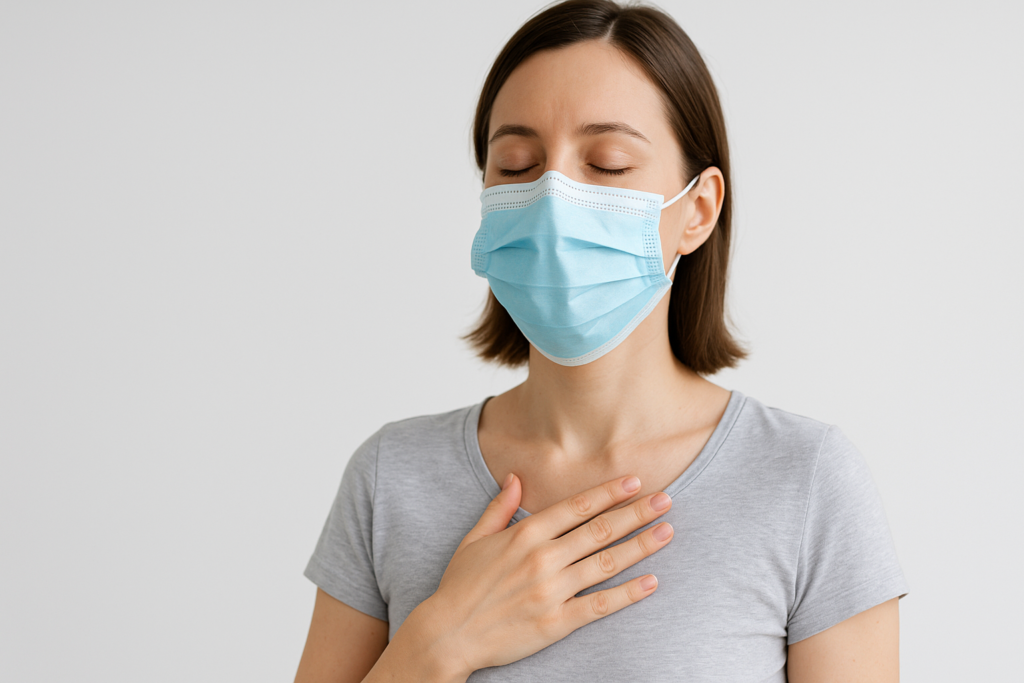
Diaphragmatic breathing, sometimes called belly breathing, encourages the diaphragm to do more of the work instead of lifting the chest and shoulders. Many people find it helps them feel more relaxed and in control of their breathing.
- Sit upright or lie down with your knees slightly bent.
- Place one hand on your chest and one on your belly.
- Inhale gently through your nose for about 2 counts, letting your belly rise.
- Exhale slowly through your mouth for about 4 counts.
- Keep your shoulders relaxed and your breathing smooth.
Try a few minutes at a time, several times a day. If you feel lightheaded, shorten the session and return to normal breathing.
Pursed-lip breathing to slow exhalation
Pursed-lip breathing can help slow your exhale and may reduce the feeling of air hunger, especially if you get winded during activity. It is a simple technique that many people use when walking, climbing stairs, or recovering after exertion.
- Relax your neck and shoulders.
- Inhale slowly through your nose for 2 counts.
- Purse your lips as if you are gently blowing out a candle.
- Exhale slowly and steadily for 4 counts, or slightly longer than your inhale.
Use this technique when you feel short of breath, but keep the effort gentle. The goal is a controlled exhale, not a forceful one.
Paced breathing and recovery breathing after activity
Paced breathing can help you coordinate your breath with movement so daily tasks feel less exhausting. This is especially useful during walking, light chores, or climbing a few stairs.
A simple rhythm is to inhale for 2 counts and exhale for 4 counts. You can also match your breath to movement, such as inhaling before a step or movement and exhaling during the effort.
Build in rest breaks before you feel overwhelmed. If you become winded, pause, sit down if needed, and return to slow breathing before continuing. Gradual progression is safer and more sustainable than trying to do too much too soon.
Supported positions that make breathing easier
Posture can affect how hard it feels to breathe. Some positions may reduce the work of breathing and help you recover more comfortably after activity.
- Sitting forward: Sit on a chair and lean slightly forward with your forearms resting on your thighs or a table.
- Supported upright posture: Sit tall with your back supported and shoulders relaxed.
- Side-lying: Lie on your side with pillows supporting your head and knees if that feels comfortable.
- Arm support: Rest your arms on pillows, a table, or the arms of a chair to reduce strain.
Use pillows or cushions to stay comfortable, and change positions slowly if you feel dizzy or weak.
How to build a gentle daily routine
Start small. A few minutes of breathing practice once or twice a day may be enough at first. If that feels comfortable, you can slowly add another short session later in the day.
A simple routine might include:
- 1 to 3 minutes of diaphragmatic breathing
- 1 to 3 minutes of pursed-lip breathing
- Short rest breaks between techniques
- Light symptom tracking, such as noting what feels easier or harder
Pair the routine with hydration, rest, and realistic activity goals. Consistency matters more than intensity, especially during post-COVID recovery.
When to get medical help
Seek prompt medical evaluation if your breathing symptoms are persistent, worsening, or interfering with daily life. Get urgent help right away for:
- Chest pain or pressure
- Severe shortness of breath
- Blue lips or fingertips
- Fainting or near-fainting
- Confusion or trouble staying awake
- Low oxygen readings, if you use a pulse oximeter
- Fever that does not improve or returns with breathing symptoms
Follow up with a clinician if you continue to feel breathless after COVID, especially if symptoms are limiting activity or not improving over time. Ongoing respiratory symptoms may need assessment to rule out complications and to guide safe recovery.
Frequently asked questions
Are breathing exercises safe during COVID recovery?
They can be safe for many people when done gently and stopped if symptoms worsen, but anyone with severe symptoms, chest pain, dizziness, or low oxygen should seek medical advice first.
Which breathing exercise is best for shortness of breath?
Pursed-lip breathing is often helpful for easing breathlessness, while diaphragmatic breathing can support calmer, deeper breathing. The best choice depends on symptoms and comfort.
How many times a day should I do breathing exercises?
A short routine several times a day is usually better than one long session. Start with a few minutes and increase gradually if it feels comfortable.
Can these exercises improve lung function after COVID?
They may help with breath control, relaxation, and gradual conditioning, but recovery varies. Persistent symptoms should be assessed by a healthcare professional.
When should I stop and call a doctor?
Stop immediately if you develop chest pain, severe shortness of breath, faintness, confusion, or worsening symptoms, and seek medical care if breathing does not improve.
Helpful related guides
Try a gentle routine today
Try the gentle routine above for a few minutes today, and speak with a clinician if your breathing symptoms are severe, persistent, or getting worse.
Comparison snapshot

A Simple Technique People Use Before Bed
A short routine designed to help your body relax and unwind naturally.
- ✔ Easy to learn and takes only a few minutes
- ✔ No equipment or supplements required
- ✔ Popular among people struggling to relax at night
| Product | Rating | Reviews | Availability |
|---|---|---|---|
| Men's Charged Surge 4 Sneaker | 4.6 | 13,100 | Available from Amazon |
| Men's KnitFlex Breeze Mesh Sneakers Oxfords Lace-Up Lightweight Casual Walking Shoes | 4.6 | 14,100 | Available from Amazon |
| GSLMOLN Men's Slip on Breathable Walking Shoes Ultra Lightweight Casual Sport Gym Fashion Sneakers | 4.4 | 5,100 | Available from Amazon |
| Mens Running Shoes Slip On Tennis Walking Sneakers Workout Athletic Lightweight Casual Sport Shoes | 4.3 | 898 | Available from Amazon |
| Men's Cankton Steel Toe Construction Shoe – Electrical Hazard Rated, Memory Foam | 4.4 | 27,200 | Available from Amazon |
Pros and cons
Pros
- Clearer shortlist for breathing exercises for lungs during covid.
- Helps compare trade-offs before buying.
- Includes editorial review checkpoints.
Cons
- Pricing and availability should be verified on Amazon.
- Best choice depends on your use case.
- Product listings may change after publication.
Frequently asked questions
Are breathing exercises safe during COVID recovery?
They can be safe for many people when done gently and stopped if symptoms worsen, but anyone with severe symptoms, chest pain, dizziness, or low oxygen should seek medical advice first.
Which breathing exercise is best for shortness of breath?
Pursed-lip breathing is often helpful for easing breathlessness, while diaphragmatic breathing can support calmer, deeper breathing. The best choice depends on symptoms and comfort.
How many times a day should I do breathing exercises?
A short routine several times a day is usually better than one long session. Start with a few minutes and increase gradually if it feels comfortable.
Can these exercises improve lung function after COVID?
They may help with breath control, relaxation, and gradual conditioning, but recovery varies. Persistent symptoms should be assessed by a healthcare professional.
When should I stop and call a doctor?
Stop immediately if you develop chest pain, severe shortness of breath, faintness, confusion, or worsening symptoms, and seek medical care if breathing does not improve.