
Recommended picks
This article may include affiliate links. If you click and buy, we may earn a commission at no extra cost to you.

4.6 rating 14,100 reviews
Check on Amazon
4.5 rating 104,300 reviews
Check on Amazon
4.3 rating 915 reviews
Check on AmazonQuick answer
Focus on the most commonly prescribed nebulized asthma medicines, how they work, who they’re for, and how to choose the right option based on symptoms, age, and severity rather than a one-size-fits-all recommendation.
Key takeaways
- What medicines are commonly used in a nebulizer for asthma?
- Is albuterol the best option for asthma flare-ups?
- When are nebulized steroids used for asthma?
- Can children use nebulizer medicine for asthma?
Best Nebulizer Medicines for Asthma: What Works, When to Use Them, and What to Ask Your Doctor
A practical guide for people managing wheeze, tightness, and flare-ups at home, with clear notes on safety, prescription options, and how nebulizer treatments fit into an asthma action plan.
If you’re searching for the best nebulizer medicine for asthma, the most important thing to know is that there is no single option that works best for everyone. The right medicine depends on whether you need quick relief, longer-term control, your age, how severe your symptoms are, and whether you can use an inhaler effectively.
Nebulizers can be helpful during asthma flare-ups, for young children, or when inhaler technique is difficult. But the device itself does not treat asthma on its own—the medication does. In many regions, these medicines are prescription-dependent, so it’s important to confirm the right choice with a clinician or pharmacist.
What a nebulizer does for asthma

A Simple Technique People Use Before Bed
A short routine designed to help your body relax and unwind naturally.
- ✔ Easy to learn and takes only a few minutes
- ✔ No equipment or supplements required
- ✔ Popular among people struggling to relax at night
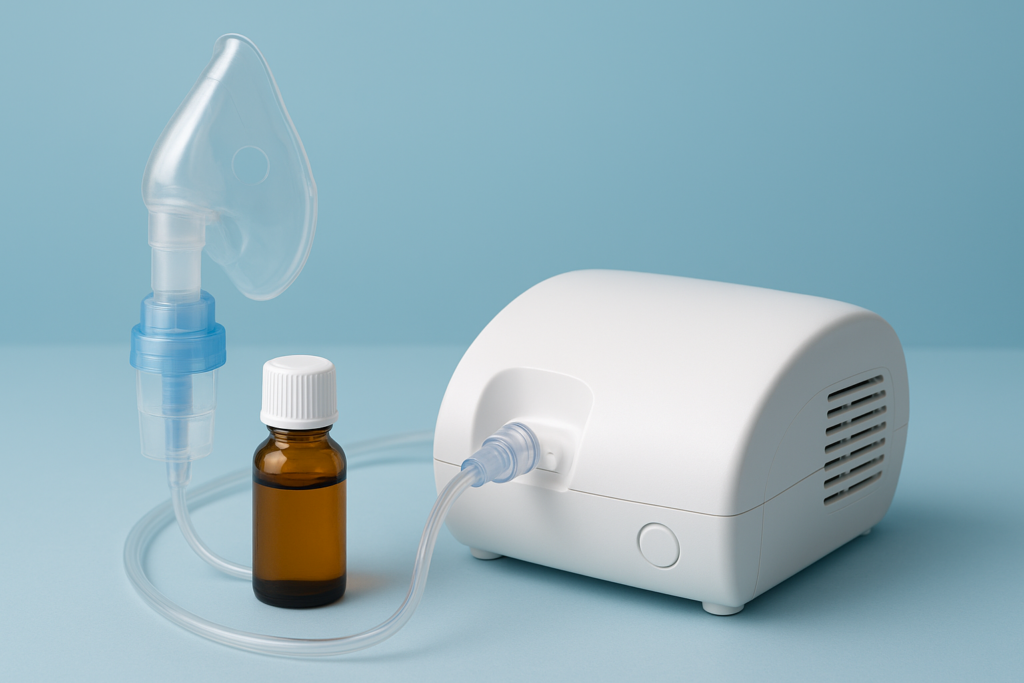
A nebulizer turns liquid medicine into a fine mist that you breathe in through a mask or mouthpiece. This can make treatment easier for people who have trouble coordinating a handheld inhaler, especially during coughing, wheezing, or shortness of breath.
Nebulizers are often used:
- During asthma flare-ups when symptoms need quick relief
- In younger children who cannot use an inhaler well
- When a person is too breathless or distressed to use a device with good technique
- In some cases where a clinician prefers liquid medication delivery
The “best” medicine is not about the machine alone. It depends on the medication, the severity of symptoms, and the treatment plan your doctor recommends.
Common nebulized medicines used for asthma
Several types of medicines may be delivered by nebulizer for asthma. The most common include:
- Short-acting bronchodilators such as albuterol, which are commonly used for quick relief of wheeze, chest tightness, and shortness of breath.
- Combination bronchodilators such as albuterol plus ipratropium, which may be used in more severe episodes or in urgent care settings.
- Inhaled corticosteroids delivered by nebulizer in selected cases, often for controller therapy or in some pediatric treatment plans.
Availability, brand names, age approvals, and prescription rules vary by country and region. That means the medicine commonly used in one place may not be the same as in another.
How to choose the right medicine for your symptoms
The right nebulized asthma medicine depends on what you are trying to treat:
- Quick relief: A reliever medicine is usually used when symptoms come on suddenly.
- Long-term control: A controller medicine may be recommended if symptoms happen often or your asthma is not well controlled.
- Mild symptoms versus severe flare-ups: Different levels of symptoms may call for different treatment approaches.
- Age and coordination: Children and people who struggle with inhaler technique may benefit from nebulized delivery.
- Past response: Your clinician may consider what has worked for you before and whether side effects were a problem.
For that reason, the best choice is usually individualized rather than universal. A doctor should tailor the plan to your asthma severity and your overall health.
Nebulizer medicine for children with asthma
Nebulizers are often used in younger children because they can be easier to use than inhalers, especially when a child cannot coordinate breathing with device activation. A mask may help deliver the medicine more comfortably, though fit matters.
Parents and caregivers should keep a few safety points in mind:
- Use the dose and schedule recommended by the child’s clinician.
- Make sure the mask or mouthpiece fits properly.
- Supervise every treatment to help ensure the medicine is taken correctly.
- Clean and maintain the equipment as directed to reduce contamination risk.
In some children, a pediatrician may recommend a controller medicine rather than relying only on rescue treatment. That decision depends on symptom frequency, severity, and the child’s overall asthma pattern.
Nebulizer medicine versus inhalers
People often compare nebulizers with inhalers, but the better option depends on the situation.
- Speed: Both can work quickly when used correctly.
- Convenience: Inhalers are usually more portable and faster to use.
- Technique: Nebulizers may be easier when coordination is difficult.
- Cost and maintenance: Inhalers may be simpler for daily use, while nebulizers require equipment cleaning and setup.
For many people, inhalers with spacers can be just as effective as nebulizers. Nebulizers may be preferred during severe symptoms, in very young children, or when a person cannot use an inhaler well. The best device depends on technique, adherence, and what your clinician recommends.
Side effects and safety considerations
Like all medicines, nebulized asthma treatments can cause side effects. Common ones may include:
- Jitteriness or shakiness
- Fast heartbeat
- Throat irritation
- Temporary restlessness
Frequent use of rescue medicine can be a sign that asthma is not well controlled. If you need reliever treatment often, it is worth discussing your plan with a clinician.
If a nebulized steroid is prescribed, proper use matters. Mouth rinsing and good equipment hygiene may help reduce irritation and lower the risk of thrush or other problems.
When nebulizer treatment is not enough
Some asthma symptoms need urgent medical attention rather than more home treatment. Seek emergency care right away if you notice:
- Trouble speaking in full sentences
- Blue lips or face
- Worsening shortness of breath
- Severe chest tightness
- No improvement after repeated rescue treatment
If you have an asthma action plan, follow it closely. If symptoms are getting worse or you are unsure what to do, call emergency services or go to urgent care without delay.
Questions to ask your doctor or pharmacist
Before starting or changing nebulized asthma medicine, it helps to ask:
- Which nebulized medicine is appropriate for my asthma type?
- How often should I use it, and what is the maximum amount I should take?
- Should I also be on a controller medicine?
- How do I clean and maintain the nebulizer properly?
- Is a nebulizer or an inhaler with a spacer better for my situation?
These questions can help you and your clinician choose a treatment that fits your symptoms, age, and daily routine.
Frequently asked questions
What is the most common nebulizer medicine for asthma?
Albuterol is one of the most commonly used nebulized medicines for quick relief of asthma symptoms, but the right option depends on your age, symptoms, and medical history.
Can nebulizer medicine replace an inhaler?
Not always. Many people can manage asthma well with an inhaler and spacer, while nebulizers are often used when symptoms are severe or inhaler use is difficult.
Are nebulized steroids used for asthma?
Yes, in some cases. Nebulized corticosteroids may be prescribed for certain children or for people who need controller therapy in liquid form.
How fast does nebulizer medicine work?
Reliever medicines like albuterol often start working within minutes, but the exact response varies. If symptoms do not improve, seek medical advice promptly.
Is it safe to use nebulizer medicine often?
Frequent use of rescue medicine can be a sign that asthma is not well controlled. A clinician should review your treatment plan if you need it often.
Helpful related guides
- best nebulizer for home use
- nebulizer vs inhaler
- how to clean a nebulizer
- best nebulizer for kids
- asthma action plan guide
- albuterol nebulizer dosage guide
- best portable nebulizer
- nebulizer mask vs mouthpiece
Bottom line: the best nebulizer medicine for asthma depends on whether you need fast relief, ongoing control, or pediatric-friendly delivery. Albuterol is commonly used for quick relief, but the safest and most effective choice should be confirmed with a clinician or pharmacist.
Talk to your doctor or pharmacist to confirm the right nebulized medicine for your asthma and make sure your treatment plan matches your symptoms and age.
Affiliate disclosure: This article may include affiliate links. If you click and buy, we may earn a commission at no extra cost to you.
Medical disclaimer: This content is for informational purposes only and is not medical advice. Consult a clinician or respiratory therapist for device and medication selection, and always follow manufacturer instructions for cleaning, maintenance, and approved medications.
Comparison snapshot
| Product | Rating | Reviews | Availability |
|---|---|---|---|
| Men's KnitFlex Breeze Mesh Sneakers Oxfords Lace-Up Lightweight Casual Walking Shoes | 4.6 | 14,100 | Available from Amazon |
| Women's Go Walk Joy Slip-On Sneaker | 4.5 | 104,300 | Available from Amazon |
| Mens Running Shoes Slip On Tennis Walking Sneakers Workout Athletic Lightweight Casual Sport Shoes | 4.3 | 915 | Available from Amazon |
| Vooncosir Men's Fashion Sneakers Breathable Mesh Running Shoes Blade Non Slip Soft Sole Casual Athletic Walking Shoes | 4.2 | 5,700 | Available from Amazon |
| Nike Women's Court Vision Low Next Nature Shoes | 4.6 | 5,200 | Available from Amazon |
Pros and cons
Pros
- Clearer shortlist for best nebulizer medicine for asthma.
- Helps compare trade-offs before buying.
- Includes editorial review checkpoints.
Cons
- Pricing and availability should be verified on Amazon.
- Best choice depends on your use case.
- Product listings may change after publication.
Frequently asked questions
What is the most common nebulizer medicine for asthma?
Albuterol is one of the most commonly used nebulized medicines for quick relief of asthma symptoms, but the right option depends on your age, symptoms, and medical history.
Can nebulizer medicine replace an inhaler?
Not always. Many people can manage asthma well with an inhaler and spacer, while nebulizers are often used when symptoms are severe or inhaler use is difficult.
Are nebulized steroids used for asthma?
Yes, in some cases. Nebulized corticosteroids may be prescribed for certain children or for people who need controller therapy in liquid form.
How fast does nebulizer medicine work?
Reliever medicines like albuterol often start working within minutes, but the exact response varies. If symptoms do not improve, seek medical advice promptly.
Is it safe to use nebulizer medicine often?
Frequent use of rescue medicine can be a sign that asthma is not well controlled. A clinician should review your treatment plan if you need it often.
How to choose best nebulizer medicine for asthma
- Define your requirements
- Compare credible options
- Check current availability and terms
- Choose the best fit for your budget