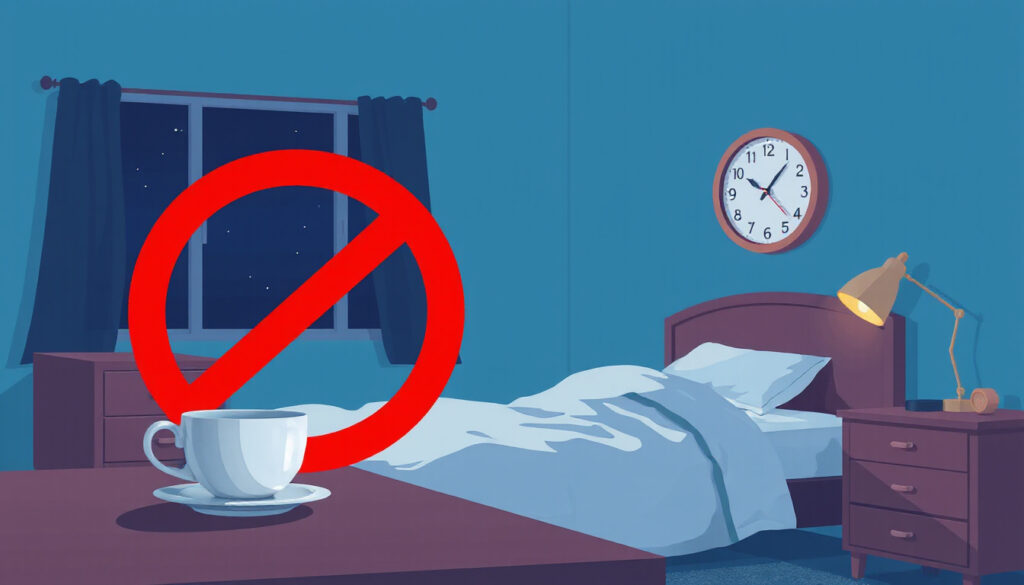

Getting a good night’s sleep is essential for overall health, mental clarity, and daytime performance. However, in today’s fast-paced world, many turn to caffeine to stay alert and energized, often without considering how this stimulant affects their sleep. Understanding why you should avoid caffeine before bedtime can help you unlock more restful, rejuvenating sleep.
How Caffeine Affects Sleep
Caffeine is a natural stimulant commonly found in coffee, tea, soda, energy drinks, and even some medications. After consumption, it is rapidly absorbed into the bloodstream and travels to the brain, where it exerts its primary effect: promoting alertness.
The key to caffeine’s wakefulness-promoting property lies in its interaction with adenosine receptors in the brain. Adenosine is a molecule that accumulates during waking hours and binds to receptors to encourage sleepiness, helping regulate the sleep-wake cycle. Caffeine structurally mimics adenosine and blocks these receptors, preventing the onset of tiredness and keeping you awake (Houston Methodist On Health).
How Long Does Caffeine Stay in Your System?
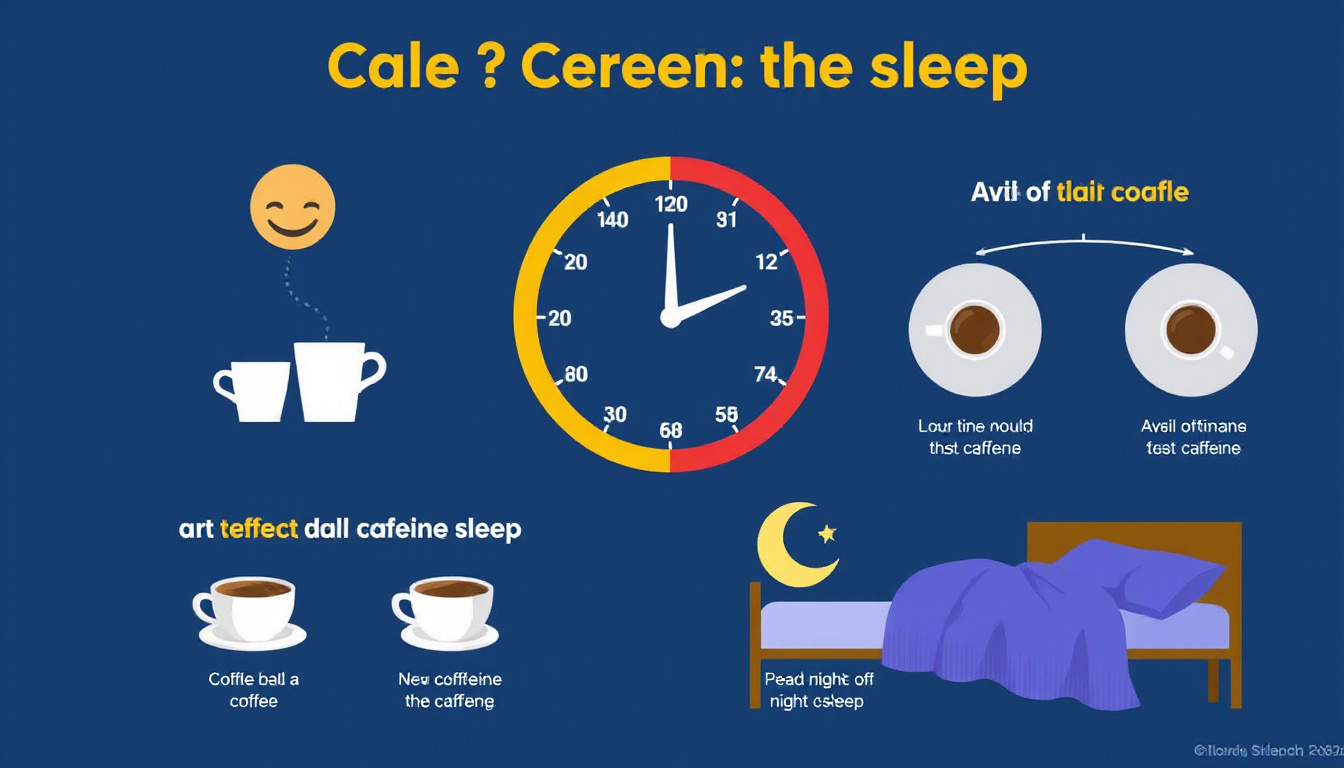
The stimulating effects of caffeine do not wear off immediately. Instead, the substance follows a process called "half-life," which is the time taken for the body to eliminate half of the caffeine consumed. According to the U.S. Food and Drug Administration, caffeine’s half-life ranges from 4 to 6 hours. This means that several hours after your last cup of coffee or tea, a significant amount of caffeine remains in your system, potentially disrupting your ability to fall asleep or maintain deep, restorative sleep.
When Is the Best Time to Stop Consuming Caffeine?
Deciding how late you can consume caffeine without affecting your sleep depends on individual sensitivity and lifestyle factors such as work schedules and typical bedtime. However, a practical guideline for most people who go to sleep around 10 or 11 p.m. is to avoid caffeine after 2 or 3 p.m. Houston Methodist physicians highlight that consuming caffeine as late as six hours before bedtime can negatively impact sleep quality, even if you don’t consciously notice the effect (Houston Methodist On Health).
Those with higher caffeine sensitivity or sleep difficulties should consider an even earlier cutoff time.
The Broader Health Impacts of Disrupted Sleep

A Simple Technique People Use Before Bed
A short routine designed to help your body relax and unwind naturally.
- ✔ Easy to learn and takes only a few minutes
- ✔ No equipment or supplements required
- ✔ Popular among people struggling to relax at night
Sleep is crucial not just for feeling rested but for overall health management. Chronic lack of quality sleep has been linked with a cascade of health issues including:
- High blood pressure
- Increased risk of obesity
- Weakened immune function
- Impaired cognitive function
Avoiding caffeine late in the day is one actionable step toward improving sleep hygiene and protecting long-term health (Houston Methodist On Health).
Tips to Minimize Caffeine’s Impact on Sleep
- Know Your Sources: Caffeine is present in many beverages beyond coffee, including black and green tea, colas, energy drinks, and some medications or supplements.
- Gradual Reduction: If you typically consume caffeine late in the day, try shifting your last intake gradually earlier over days or weeks.
- Monitor Your Body’s Response: Some individuals metabolize caffeine more quickly or tolerate it better. Observe how caffeine timing affects your sleep patterns.
- Opt for Alternatives: Decaf coffee, herbal teas, or simply water can be better choices later in the day.
Final Thoughts
Understanding caffeine’s effect on your brain and body reveals why timing your intake wisely is essential for a good night’s rest. By avoiding caffeine in the afternoon and evening, you give your body a better chance to wind down naturally. This small lifestyle adjustment can profoundly unlock more restful sleep, leading to improved health, mood, and daytime alertness.
Prioritize your sleep by putting that evening coffee down a few hours before bedtime — your body will thank you.