
Recommended picks
This article may include affiliate links. If you click and buy, we may earn a commission at no extra cost to you.

4.6 rating 13,100 reviews
Check on Amazon
4.6 rating 89,400 reviews
Check on Amazon
4.3 rating 896 reviews
Check on AmazonQuick answer
Focus on yoga pranayama and gentle breathwork that can be safely practiced at home to support respiratory comfort, relaxation, and mindful breathing habits.
Key takeaways
- Which yoga breathing exercises are best for lung support?
- How often should beginners practice breathing exercises?
- Can breathing exercises help with shortness of breath?
- What is the difference between pranayama and regular deep breathing?
Yoga Breathing Practices to Support Lung Health
A practical guide to gentle techniques, safety tips, and daily routines for better breath control and relaxation
Yoga-based breathing can be a simple way to slow down, notice your breath, and build a calmer daily routine. The goal is not to force bigger breaths or chase quick results. Instead, these gentle practices may help you breathe more smoothly, relax tension, and become more aware of how your body feels as you inhale and exhale.
If you have asthma, COPD, heart disease, pregnancy-related concerns, or unexplained shortness of breath, get medical guidance before starting breathwork. For everyone else, the safest approach is to begin slowly, keep the breath easy, and stop if you feel dizzy, tight-chested, or uncomfortable.
What yoga breathing does for the lungs
Yoga breathing, often called pranayama, uses controlled breath patterns to support awareness, relaxation, and steadier breathing habits. It can help you notice whether you tend to breathe shallowly, hold tension in your chest and shoulders, or rush your exhale when you feel stressed.
For many people, the main benefits are practical: calmer breathing, better posture, less upper-body tension, and a stronger sense of control during stressful moments. Gentle breathwork may also make it easier to settle down before sleep or recover after a busy day.
It is important to keep expectations realistic. These practices can support wellness, but they do not cure lung disease or replace medical treatment.
Best breathing exercises for lung support in yoga
When people search for breathing exercises for lungs yoga, they are usually looking for safe, beginner-friendly techniques. The best options are simple, smooth, and easy to repeat.
1. Diaphragmatic breathing
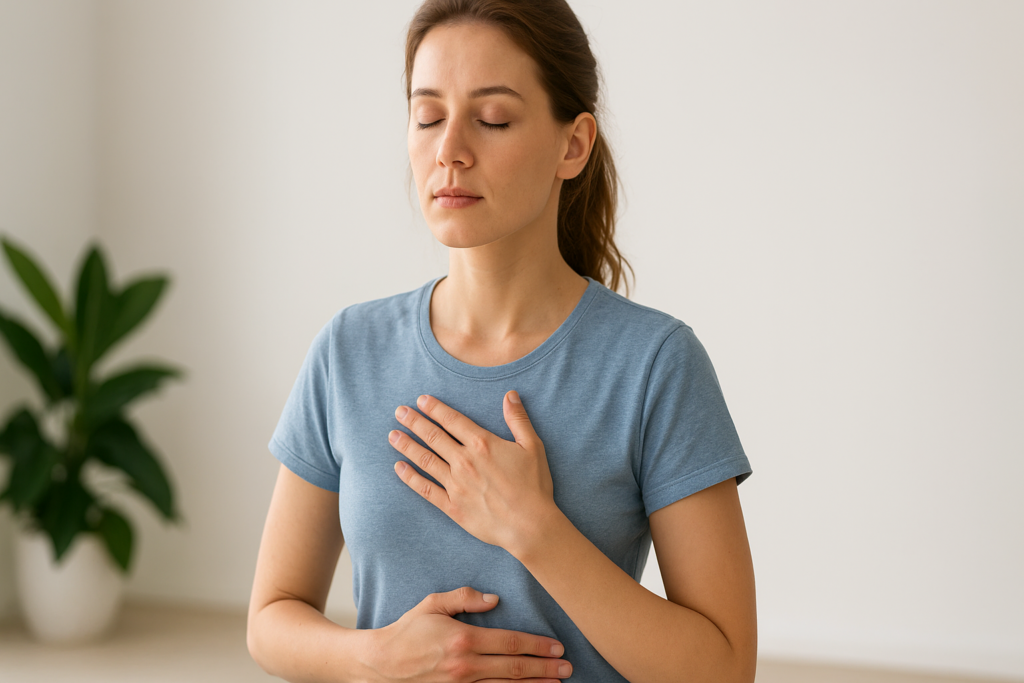
Also called belly breathing, this technique encourages the diaphragm to do more of the work. Place one hand on your belly and one on your chest. As you inhale through the nose, let the belly rise gently. As you exhale, let it soften. Try to keep the shoulders relaxed.
This is often the best starting point because it promotes slower, fuller breaths without strain.
2. Three-part breath
This practice helps you notice the breath moving through the abdomen, ribs, and upper chest. Inhale slowly and feel the belly expand first, then the ribs, then the upper chest. Exhale in the reverse order, letting the breath leave gradually.
Use a light touch. The point is awareness, not maximum expansion.
3. Alternate nostril breathing
This traditional pranayama technique is often used for balance and relaxation. It involves breathing through one nostril at a time in a slow, steady rhythm. For beginners, keep the pace gentle and avoid any breath holding.
If you feel congested, anxious, or lightheaded, skip this practice and return to simple diaphragmatic breathing.
4. Bee breath, or humming breath
In bee breath, you exhale with a soft humming sound. The vibration can feel soothing and may help lengthen the exhale. Keep the inhale easy and the hum comfortable, not forceful.
This is a good option if you want a calming practice before bed or after a stressful day.
5. Extended exhale breathing
With this method, the exhale is slightly longer than the inhale. For example, inhale for a count of four and exhale for a count of six. The longer exhale can encourage relaxation and a slower breathing rhythm.
Do not strain to match a count. If the breath feels tight, shorten the count and keep it natural.
How to practice safely as a beginner
Start in a seated position or lying on your back in a comfortable place. If sitting feels tiring, use a cushion, folded blanket, or chair for support. The best posture is the one that lets you breathe without effort.
Keep the breath smooth and unforced. Avoid gulping air, forcing deep inhales, or holding the breath unless a qualified teacher or clinician has specifically guided you to do so.
Begin with short sessions, then increase gradually only if you feel comfortable. Even two or three minutes can be useful when you are just starting out.
Stop right away if you notice dizziness, chest pain, wheezing, unusual shortness of breath, or discomfort. Breathwork should feel steady and manageable, not intense.
A quiet space can help, but you do not need a perfect setup. A chair, wall support, or pillow can make the practice easier and more sustainable.
A simple 5-minute daily routine
This short routine is designed for consistency, not intensity. You can practice it once a day, or repeat it later if it feels helpful.
- 1 minute of natural breathing: Sit or lie down and simply notice the breath without changing it.
- 2 minutes of diaphragmatic breathing: Let the belly rise on the inhale and soften on the exhale.
- 1 minute of three-part breath: Gently notice the breath moving through the belly, ribs, and chest.
- 1 minute of extended exhale or alternate nostril breathing: Choose the option that feels most calming and easiest for you.
If five minutes feels like too much, start with two minutes. If it feels easy after a week or two, you can gradually build to 10 or 15 minutes.
Breathing exercises for specific needs
Different people need different approaches. The safest breathing exercises for lungs yoga practice are the ones that match your comfort level and health situation.
For stress relief and sleep preparation
Try diaphragmatic breathing, humming breath, or a gentle extended exhale. These are usually calming and easy to fit into a bedtime routine.
For feeling breathless during activity
Pause, sit down, and return to slow nasal breathing if possible. Keep the exhale longer than the inhale, but do not force it. If breathlessness is frequent or severe, speak with a clinician.
For older adults or sedentary beginners
Choose seated breathing with support. Short sessions, simple counting, and relaxed shoulders are often more comfortable than complex pranayama patterns.
When to avoid breath retention or vigorous techniques
Skip breath holds, forceful breathing, and advanced practices if you are new to breathwork, feel anxious, or have a respiratory or cardiovascular condition unless a qualified professional has cleared the practice for you.
Common mistakes to avoid
One of the most common mistakes is breathing too forcefully or too quickly. That can create tension and may even lead to lightheadedness.
Another issue is lifting the shoulders instead of using the diaphragm. If your upper chest is doing all the work, slow down and let the belly and lower ribs move more naturally.
It also helps to avoid practicing on a very full stomach or in a position that makes it hard to relax. Comfort matters more than perfect form.
Finally, do not expect immediate results. Like any habit, breathwork tends to work best when you repeat it regularly over time.
When to seek medical advice
Talk with a clinician if you have persistent shortness of breath, wheezing, chest tightness, or symptoms that worsen during breathing practice. These signs should not be ignored.
You should also seek guidance if you already have asthma, COPD, heart disease, or another diagnosed condition and want to add breathwork to your routine. A clinician or respiratory therapist can help you decide what is appropriate.
If you are unsure whether a technique is safe for you, choose the gentlest option and get personalized advice before trying anything more advanced.
Frequently asked questions
Which yoga breathing exercise is best for lung health?
Diaphragmatic breathing is often the best starting point because it encourages slower, deeper breaths and helps you use the diaphragm more effectively.
Can yoga breathing improve lung capacity?
Yoga breathing may help you breathe more efficiently and become more aware of your breath, but it does not necessarily increase lung capacity in a medical sense.
How long should I practice each day?
Beginners can start with 5 minutes a day and gradually build to 10 to 15 minutes if comfortable.
Is breath retention safe for everyone?
No. Breath retention can be uncomfortable or inappropriate for some people, especially those with respiratory or cardiovascular conditions. Start with gentle, continuous breathing instead.
Can these exercises help with asthma or COPD?
They may help some people feel calmer and more in control of their breathing, but they should be used only with medical guidance if you have asthma, COPD, or another lung condition.
Helpful internal resources
Start with one small habit today
Try the 5-minute routine today and build a gentle daily breathing habit that supports relaxation and breath awareness.
Comparison snapshot

A Simple Technique People Use Before Bed
A short routine designed to help your body relax and unwind naturally.
- ✔ Easy to learn and takes only a few minutes
- ✔ No equipment or supplements required
- ✔ Popular among people struggling to relax at night
| Product | Rating | Reviews | Availability |
|---|---|---|---|
| Men's Charged Surge 4 Sneaker | 4.6 | 13,100 | Available from Amazon |
| Men's 608 V5 Casual Comfort Cross Trainer | 4.6 | 89,400 | Available from Amazon |
| Mens Running Shoes Slip On Tennis Walking Sneakers Workout Athletic Lightweight Casual Sport Shoes | 4.3 | 896 | Available from Amazon |
| Men's KnitFlex Breeze Mesh Sneakers Oxfords Lace-Up Lightweight Casual Walking Shoes | 4.6 | 14,100 | Available from Amazon |
| Womens White Tennis Shoes PU Leather Sneakers Casual Walking Shoes for Women | 4.3 | 5,700 | Available from Amazon |
Pros and cons
Pros
- Clearer shortlist for breathing exercises for lungs yoga.
- Helps compare trade-offs before buying.
- Includes editorial review checkpoints.
Cons
- Pricing and availability should be verified on Amazon.
- Best choice depends on your use case.
- Product listings may change after publication.
Frequently asked questions
Which yoga breathing exercise is best for lung health?
Diaphragmatic breathing is often the best starting point because it encourages slower, deeper breaths and helps you use the diaphragm more effectively.
Can yoga breathing improve lung capacity?
Yoga breathing may help you breathe more efficiently and become more aware of your breath, but it does not necessarily increase lung capacity in a medical sense.
How long should I practice each day?
Beginners can start with 5 minutes a day and gradually build to 10 to 15 minutes if comfortable.
Is breath retention safe for everyone?
No. Breath retention can be uncomfortable or inappropriate for some people, especially those with respiratory or cardiovascular conditions. Start with gentle, continuous breathing instead.
Can these exercises help with asthma or COPD?
They may help some people feel calmer and more in control of their breathing, but they should be used only with medical guidance if you have asthma, COPD, or another lung condition.