
Quick answer
Step-by-step, vinegar-free cleaning guidance focused on safety, convenience, and proper drying for home nebulizer users
Key takeaways
- What can I use instead of vinegar to clean nebulizer parts?
- How often should nebulizer parts be washed and disinfected?
- Can I use soap and water on nebulizer parts?
- Which nebulizer parts should never be submerged?
How to Clean Nebulizer Parts Without Vinegar
A simple, safe routine for keeping your device hygienic when you prefer a non-acid cleaning method
Keeping nebulizer parts clean is an important part of routine device care, and you do not need vinegar to do it well. In many cases, warm water, mild soap, and careful drying are enough for everyday cleaning of washable parts. The key is to follow the instructions for your specific model, because not every component can be washed, soaked, heated, or disinfected the same way.
This guide walks through a vinegar-free cleaning routine, explains which parts can usually be washed, and shows how to dry and store components safely so they are ready for the next treatment.
What you need before you start
- Mild dish soap and warm water
- A clean basin or bowl reserved for medical equipment
- A lint-free towel or clean drying rack
- Manufacturer instructions for your specific nebulizer model
- Optional: a disinfecting method approved by the device maker or care provider
Before you clean anything, check the manual. That matters because some nebulizer parts are washable, some are heat-safe, and some should never be submerged at all. If you do not have the instructions, look up the exact model number or contact the manufacturer.
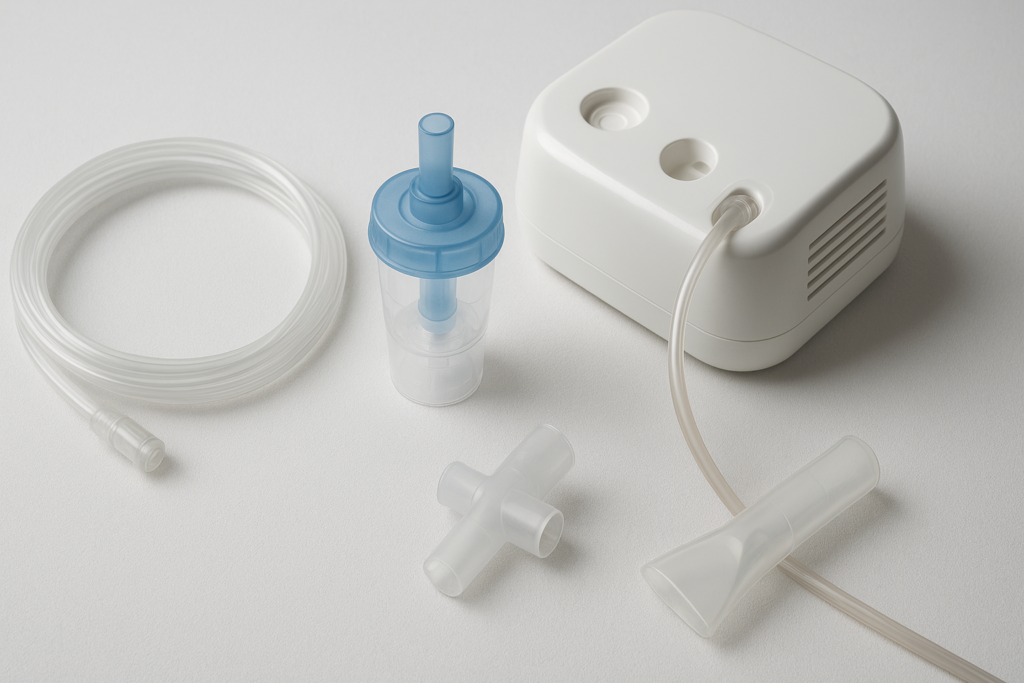
Which nebulizer parts can be cleaned this way
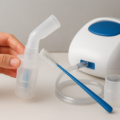
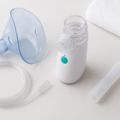
- Mask or mouthpiece: Often washable if the manual says so
- Medication cup or chamber: Usually washable and the part that needs the most regular cleaning
- Tubing: Only washable if the manufacturer specifically says it is
- Compressor unit: Should not be washed or submerged
- Filters: Usually replaced, not washed
If a part is not clearly labeled as washable, treat it as non-washable until you confirm otherwise. That simple habit helps prevent damage and keeps moisture out of places it should not go.
Step-by-step cleaning routine without vinegar
- Wash your hands first. Clean hands help keep germs off the parts you are handling.
- Disassemble the nebulizer according to the manual. Separate only the removable parts that are meant to come apart.
- Rinse removable parts. Use warm water to remove medication residue before washing.
- Wash with mild soap. Add a small amount of dish soap to warm water and gently clean the washable parts.
- Rinse thoroughly. Make sure no soap remains on the parts.
- Shake off excess water. Then place the parts on a clean surface or drying rack to air-dry completely.
For routine care, this is often the simplest vinegar-free approach. The most important part is not the soap itself, but the full rinse and complete drying afterward.
How to disinfect if vinegar is not your choice
Cleaning removes residue and visible buildup. Disinfection is a separate step that may be recommended for some devices or situations, but it should only be done using methods approved for your exact nebulizer model.
- Use only methods listed in the product manual
- Consider boiling, steam, or approved disinfectants only if the manufacturer allows them
- Avoid harsh chemicals that can damage plastic or leave residue
- Never mix cleaning products
- If you are unsure, ask a pharmacist or respiratory therapist
If your manual does not clearly approve a disinfection method, do not guess. The safest option is to stick with the cleaning routine the manufacturer recommends and get professional guidance if you need more than that.
What not to do when cleaning nebulizer parts
- Do not use vinegar if you are avoiding acidic cleaners
- Do not use bleach unless specifically instructed and properly diluted
- Do not scrub with abrasive pads
- Do not reassemble parts while still damp
- Do not share nebulizer parts between users
These mistakes can damage the device, leave residue behind, or create moisture problems that make the equipment harder to keep clean. When in doubt, choose the gentlest method the manufacturer approves.
Drying, storage, and maintenance tips
- Air-dry in a dust-free area
- Store parts in a clean, dry container once fully dry
- Replace tubing, masks, and filters as recommended
- Inspect for cracks, cloudiness, or residue buildup
- Keep a routine so cleaning happens after each use or as directed
Drying is not a small detail. Trapped moisture can leave parts looking clean while still creating a poor environment for the next use. Make sure every washable component is completely dry before storage or reassembly.
Quick answers to common questions
Can I clean nebulizer parts with just soap and water?
Yes, for routine cleaning many nebulizer parts can be washed with warm water and mild dish soap, then rinsed well and air-dried. Always check the manufacturer’s instructions for your exact model.
What can I use instead of vinegar?
Mild soap and warm water are the most common vinegar-free cleaning option. For disinfection, use only a method approved by the nebulizer manufacturer or your healthcare provider.
Is it safe to boil nebulizer parts?
Only if the manufacturer says the parts are heat-safe and boiling is allowed. Some plastics can warp or degrade, so never assume boiling is safe for every device.
How often should nebulizer parts be cleaned?
Many parts should be cleaned after each treatment, with disinfection done on the schedule recommended by the manufacturer or your care team.
Can I put nebulizer tubing in water?
Usually no, but it depends on the model. Many tubing sets are not meant to be washed with water, so check the instructions before cleaning.
When to replace parts instead of cleaning them
Cleaning helps extend the life of nebulizer components, but it cannot fix wear and tear. Replace parts if you notice cracks, cloudiness that does not wash away, stiff tubing, persistent residue, or a filter that looks dirty or worn. If your manual gives a replacement schedule, follow it even if the part still looks usable.
Helpful related guides
Final takeaway
A vinegar-free nebulizer cleaning routine can be simple, safe, and effective when you focus on the basics: wash only washable parts, rinse thoroughly, dry completely, and follow the manufacturer’s instructions for anything beyond routine cleaning. If you are unsure about a specific part or disinfecting method, get guidance from a pharmacist, respiratory therapist, or clinician.
Check your nebulizer manual, follow the approved cleaning method, and replace worn parts on schedule to keep treatments safe and effective.
Pros and cons
Pros
- Clearer shortlist for how to clean nebulizer parts without vinegar.
- Helps compare trade-offs before buying.
- Includes editorial review checkpoints.
Cons
- Pricing and availability should be verified on Amazon.
- Best choice depends on your use case.
- Product listings may change after publication.
Frequently asked questions

A Simple Technique People Use Before Bed
A short routine designed to help your body relax and unwind naturally.
- ✔ Easy to learn and takes only a few minutes
- ✔ No equipment or supplements required
- ✔ Popular among people struggling to relax at night
Can I clean nebulizer parts with just soap and water?
Yes, for routine cleaning many nebulizer parts can be washed with warm water and mild dish soap, then rinsed well and air-dried. Always check the manufacturer’s instructions for your exact model.
What can I use instead of vinegar?
Mild soap and warm water are the most common vinegar-free cleaning option. For disinfection, use only a method approved by the nebulizer manufacturer or your healthcare provider.
Is it safe to boil nebulizer parts?
Only if the manufacturer says the parts are heat-safe and boiling is allowed. Some plastics can warp or degrade, so never assume boiling is safe for every device.
How often should nebulizer parts be cleaned?
Many parts should be cleaned after each treatment, with disinfection done on the schedule recommended by the manufacturer or your care team.
Can I put nebulizer tubing in water?
Usually no, but it depends on the model. Many tubing sets are not meant to be washed with water, so check the instructions before cleaning.
How to choose how to clean nebulizer parts without vinegar
- Define your requirements
- Compare credible options
- Check current availability and terms
- Choose the best fit for your budget