
Recommended picks
This article may include affiliate links. If you click and buy, we may earn a commission at no extra cost to you.

4.5 rating 12,700 reviews
Check on Amazon
4.5 rating 7,100 reviews
Check on Amazon
4.6 rating 13,100 reviews
Check on AmazonQuick answer
Step-by-step home cleaning and disinfection guidance for nebulizer users, with safety, frequency, and maintenance tips.
Key takeaways
- How often should a nebulizer be cleaned?
- What parts of a nebulizer need to be washed after each use?
- What is the difference between cleaning and disinfecting a nebulizer?
- Can you boil nebulizer parts or put them in the dishwasher?
Nebulizer Cleaning Guide: Safe Steps for Better Breathing Therapy
A practical routine for patients and caregivers to prevent buildup, reduce contamination risk, and keep treatments working properly.
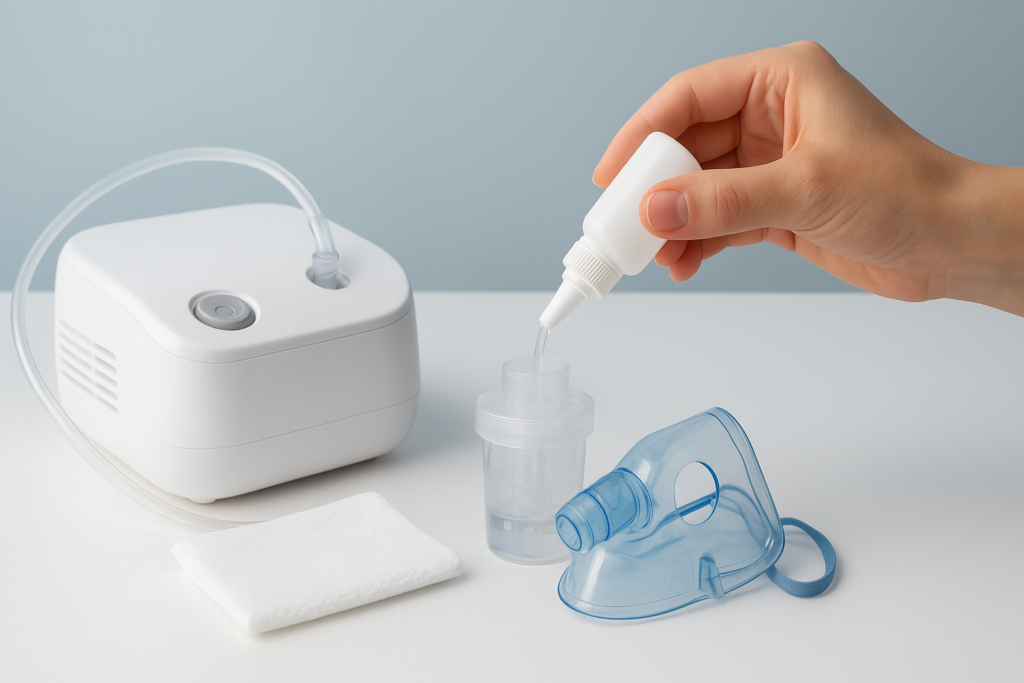
If you use a nebulizer at home, regular care is part of using it safely. Knowing how to clean a nebulizer helps remove medication residue, reduce moisture buildup, and keep the device working as intended. The exact steps can vary by model, so your user manual should always come first.
What a nebulizer does and why cleaning matters

A Simple Technique People Use Before Bed
A short routine designed to help your body relax and unwind naturally.
- ✔ Easy to learn and takes only a few minutes
- ✔ No equipment or supplements required
- ✔ Popular among people struggling to relax at night
A nebulizer turns liquid medicine into a fine mist that can be inhaled through a mouthpiece or mask. Because the medication cup, mask, and other removable parts come into contact with liquid and breath moisture, residue can build up after use. If those parts are not cleaned properly, germs, film, and leftover medication may collect over time.
That buildup can affect comfort, hygiene, and how well the device delivers medication. In some cases, poor maintenance may also lead to odors, cloudy parts, or weak mist output. Cleaning is not a substitute for treatment, but it is an important part of safe home respiratory care.
What you need before you start
- Clean hands and a clean, dry workspace
- Mild dish soap, warm water, and a clean towel or paper towel
- Your nebulizer user manual or manufacturer instructions
- Any disinfectant method approved for your specific model, if needed
Before using boiling water, vinegar, a dishwasher, or any other disinfection method, check the manual. Some parts can tolerate certain methods, while others can warp, crack, or lose function.
Step-by-step: how to clean a nebulizer after each use
- Turn off and unplug the device before handling any parts.
- Separate the medication cup, mouthpiece or mask, and any other removable pieces.
- Wash the medication cup and accessories with warm water and mild soap.
- Rinse thoroughly to remove all soap residue.
- Shake off excess water and place the parts on a clean surface to air-dry.
For many users, this simple routine after each treatment is the foundation of good nebulizer care. If your model includes tubing, follow the manual closely, since tubing is often handled differently from the cup or mask.
How to disinfect nebulizer parts safely
Cleaning and disinfecting are not the same thing. Cleaning removes visible residue and debris. Disinfecting is an extra step that may be recommended for certain parts, certain users, or certain schedules. Whether you need disinfection depends on the device instructions and your healthcare provider’s guidance.
Some manufacturers approve methods such as boiling, vinegar-based soaking, or other disinfectants, but only for specific parts and only under certain conditions. Other parts should not be exposed to heat or harsh chemicals. If the manual does not clearly approve a method, do not assume it is safe.
When in doubt, ask a pharmacist, respiratory therapist, or clinician before using any disinfection method that could damage the equipment.
What not to do when cleaning a nebulizer
- Do not wash the compressor or electrical unit
- Do not use abrasive cleaners, strong solvents, or heavily scented soaps
- Do not reassemble parts while they are still wet
- Do not share nebulizer equipment between users unless the manufacturer specifically allows it and the parts are properly replaced or disinfected
The compressor should be kept dry and handled according to the product instructions. Only removable patient-contact parts are typically washed.
How often to clean, disinfect, and replace parts
| Task | Typical timing | Notes |
|---|---|---|
| Basic cleaning | After each use | Wash removable parts with warm water and mild soap, then rinse and air-dry. |
| Disinfection | As directed by the manufacturer or clinician | Only use approved methods for your specific model and materials. |
| Replacement | Varies by part and model | Masks, tubing, filters, and medication cups may have different replacement schedules. |
Replacement timelines are not universal. They depend on the device, how often it is used, and whether parts show wear, cracks, discoloration, or reduced performance.
How to dry and store nebulizer equipment
Air-drying is usually the safest option. Place the cleaned parts on a clean towel, paper towel, or drying rack in a dust-free area. Avoid putting parts back together while they are still damp, since trapped moisture can encourage contamination.
Once dry, store the equipment in a clean container or protected area away from dust, pets, and household moisture. If your manual recommends a specific storage method, follow that guidance.
Troubleshooting common nebulizer cleaning problems
- Cloudy residue or lingering odor: Rewash the removable parts and confirm that soap has been fully rinsed away. If the problem continues, the part may need replacement.
- Cracked or worn parts: Replace damaged pieces promptly, since wear can affect fit, hygiene, and mist delivery.
- Weak mist or poor medication delivery after cleaning: Check that the parts are assembled correctly, fully dry, and free of blockages. Review the manual for model-specific troubleshooting.
When to call a pharmacist or healthcare provider
Reach out if you are unsure which parts can be washed, disinfected, or replaced. It is also a good idea to ask for help if you notice signs of contamination, unusual odors, ongoing irritation, or if the device is not producing mist as expected.
A pharmacist, respiratory therapist, or clinician can help you confirm the right cleaning routine for your model and may suggest replacement parts or alternative equipment if needed.
Quick checklist
- Clean removable parts after each use
- Disinfect only if the manual or clinician recommends it
- Never wash the compressor or electrical unit
- Air-dry completely before reassembly
- Replace worn or damaged parts on the schedule for your model
Frequently asked questions
How often should I clean my nebulizer?
Most nebulizer parts should be cleaned after each use, with disinfection done on the schedule recommended by the manufacturer or healthcare provider.
Can I wash nebulizer parts in the dishwasher?
Only if the manufacturer specifically says the parts are dishwasher-safe. Many nebulizer components can warp or be damaged by heat.
Should I use vinegar to disinfect a nebulizer?
Only if the device instructions allow it. Some manufacturers recommend specific disinfecting methods, and vinegar is not appropriate for every model.
Can I dry nebulizer parts with a towel?
Air-drying is usually preferred. Towels can leave lint or introduce germs if they are not perfectly clean.
When should I replace nebulizer parts?
Replace parts when they become cracked, discolored, hard to clean, or according to the replacement schedule in the product instructions.
For more help with home respiratory equipment, see our guides on nebulizer treatment basics, asthma inhaler vs nebulizer, how to use a nebulizer, nebulizer parts and accessories, and respiratory care home safety.
Check your nebulizer’s user manual for model-specific cleaning instructions, and speak with a pharmacist if you are unsure which parts can be washed, disinfected, or replaced.
Comparison snapshot
| Product | Rating | Reviews | Availability |
|---|---|---|---|
| Women’s VL Court 3.0 Sneaker | 4.5 | 12,700 | Available from Amazon |
| Men's Lite Racer Adapt 7.0 Running Shoes | 4.5 | 7,100 | Available from Amazon |
| Men's Charged Surge 4 Sneaker | 4.6 | 13,100 | Available from Amazon |
| Men's Charged Assert 10 Shoes | 4.6 | 22,500 | Available from Amazon |
| Reebok Nano X5 Mens Shoes, Cross Training and Light Running Sneakers for Men | 4.5 | 459 | Available from Amazon |
Pros and cons
Pros
- Clearer shortlist for how to clean a nebulizer.
- Helps compare trade-offs before buying.
- Includes editorial review checkpoints.
Cons
- Pricing and availability should be verified on Amazon.
- Best choice depends on your use case.
- Product listings may change after publication.
Frequently asked questions
How often should I clean my nebulizer?
Most nebulizer parts should be cleaned after each use, with disinfection done on the schedule recommended by the manufacturer or healthcare provider.
Can I wash nebulizer parts in the dishwasher?
Only if the manufacturer specifically says the parts are dishwasher-safe. Many nebulizer components can warp or be damaged by heat.
Should I use vinegar to disinfect a nebulizer?
Only if the device instructions allow it. Some manufacturers recommend specific disinfecting methods, and vinegar is not appropriate for every model.
Can I dry nebulizer parts with a towel?
Air-drying is usually preferred. Towels can leave lint or introduce germs if they are not perfectly clean.
When should I replace nebulizer parts?
Replace parts when they become cracked, discolored, hard to clean, or according to the replacement schedule in the product instructions.
How to choose how to clean a nebulizer
- Define your requirements
- Compare credible options
- Check current availability and terms
- Choose the best fit for your budget