
In today’s fast-paced world, stress and tension have become common companions in everyday life. Learning effective relaxation techniques is crucial for maintaining both mental and physical well-being. One highly recommended and accessible method is Progressive Muscle Relaxation (PMR)—a simple yet powerful practice designed to reduce stress, ease anxiety, and promote overall relaxation.
What Is Progressive Muscle Relaxation?
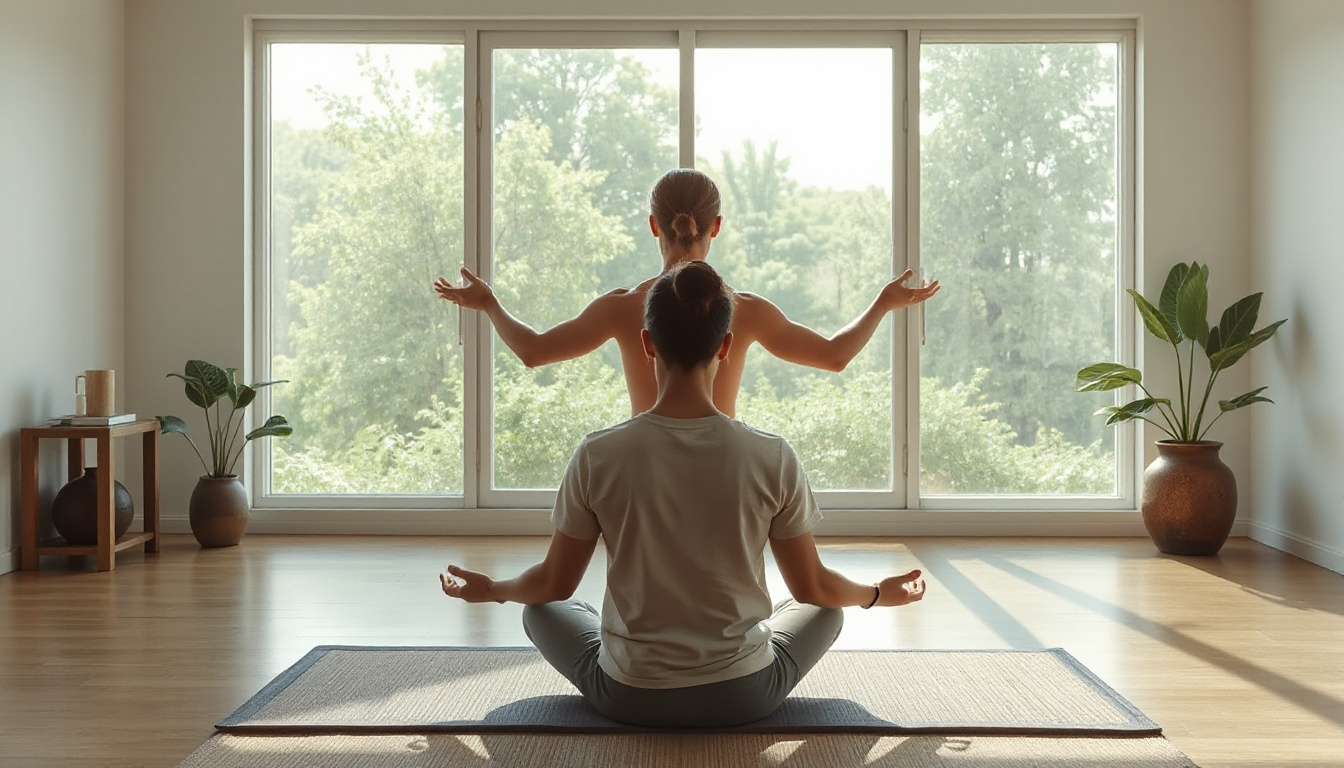
Progressive Muscle Relaxation is a technique developed in the 1920s by Dr. Edmund Jacobson with the goal of helping people recognize and reduce muscle tension caused by stress. The practice involves systematically tensing and then relaxing different muscle groups in the body, cultivating greater awareness of physical sensations and teaching the mind and body how to achieve deep relaxation.
The core idea is straightforward: by intentionally tightening muscles and then releasing the tension, you become more attuned to the difference between tension and relaxation, allowing you to recognize stress early and respond with calming strategies.
How Does PMR Work?
PMR is a two-step process:
Tensing: Focus on a specific muscle group, such as the hands, arms, or shoulders. Inhale slowly and contract the targeted muscles just enough to feel the tension without causing discomfort or strain. Hold the tension for about 5 to 10 seconds.
Relaxing: Exhale while quickly releasing the tension. Pay close attention to the sensation of the muscles loosening and the tension melting away. Rest for 10 to 20 seconds before moving on to the next muscle group.
This cycle is repeated for various muscle groups throughout the body, typically moving in an order that covers key areas like the feet, calves, thighs, abdomen, chest, hands, arms, neck, and face. With practice, even a shortened version focusing on select areas can be effective.
Benefits of Practicing Progressive Muscle Relaxation
Research and clinical experience have shown that PMR offers a variety of physical and mental health benefits, including:
- Reduction in Anxiety and Stress: PMR helps lower overall tension, which can ease symptoms associated with anxiety disorders and everyday stress.
- Improved Sleep Quality: Relaxing the body before bedtime through PMR can help you fall asleep faster and achieve deeper, more restorative sleep.
- Relief from Physical Pain and Discomfort: It is beneficial for managing tension headaches, migraines, muscle pain, and even the side effects of some chronic conditions such as temporomandibular joint disorder (TMJ) and some cancer-related symptoms.
- Lowered Blood Pressure: Regular relaxation can contribute to cardiovascular health by helping lower blood pressure.
- Enhanced Body Awareness: PMR increases mindfulness and sensitivity to your body’s stress signals, enabling quicker relaxation responses in stressful situations.
Getting Started: Step-by-Step Guide to Progressive Muscle Relaxation

A Simple Technique People Use Before Bed
A short routine designed to help your body relax and unwind naturally.
- ✔ Easy to learn and takes only a few minutes
- ✔ No equipment or supplements required
- ✔ Popular among people struggling to relax at night
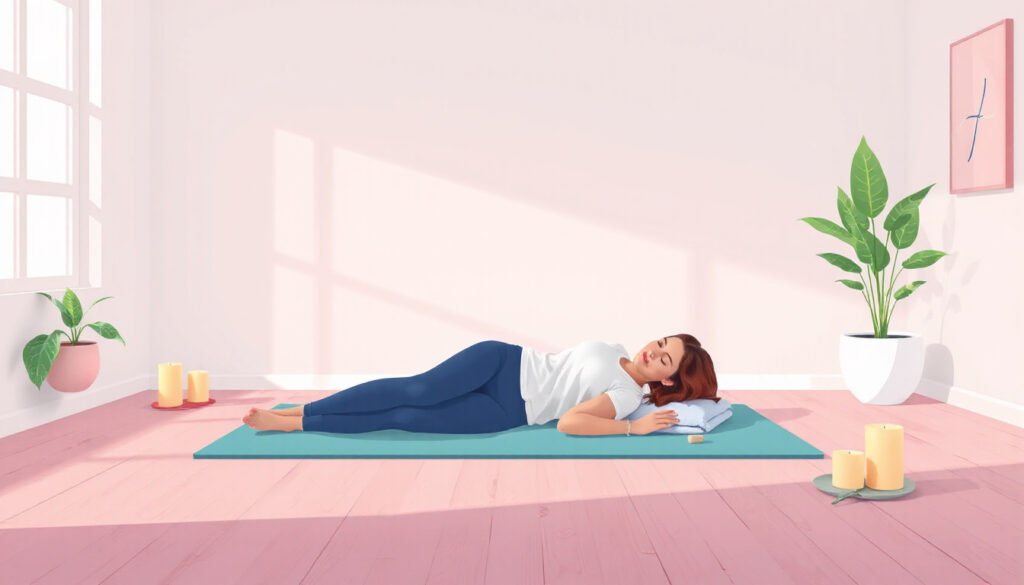
You can practice PMR almost anywhere, either sitting or lying down, in a quiet and comfortable place where you won’t be disturbed for about 10 to 20 minutes.
Preparation:
- Choose a calm environment and wear loose clothing.
- Remove shoes if lying down to promote comfort.
- Begin with slow, deep breaths to center your attention.
PMR Exercise Steps:
- Start with your feet and toes: Inhale deeply, tense the muscles in your toes and feet, hold for 5 to 10 seconds.
- Exhale and completely relax those muscles.
- Rest for 10 to 20 seconds.
- Move gradually up through your body, repeating the process with calves, thighs, abdomen, chest, hands, arms, neck, and facial muscles.
- After working through all muscle groups, take a moment to enjoy the sensation of full-body relaxation.
- Slowly bring your awareness back to your surroundings.
Tips for Effective Practice:
- Don’t over-tension muscles to avoid pain or cramping; mild tension is sufficient.
- Avoid holding your breath during the exercise; synchronize tension with inhaling and relaxation with exhaling.
- Use a mental cue such as saying the word “RELAX” quietly to deepen the calming effect when releasing tension.
- Practice regularly, especially when feeling calm, so it becomes easier to use PMR when stress hits.
Important Considerations
While PMR is generally safe and well-tolerated, be cautious if you have:
- Muscle injuries, spasms, or chronic pain conditions.
- Severe back problems.
Consult your healthcare provider before starting PMR if you have any medical concerns or conditions affecting physical activity.
For people who find active tensing uncomfortable due to very high baseline tension, passive progressive relaxation techniques (involving more passive muscle release) may be more suitable.
Incorporating PMR Into Your Daily Routine
Consistency is key to gaining the benefits of PMR. Beginners might start with twice-daily sessions of 10–15 minutes when feeling relaxed and gradually move to once daily or a few times per week as they become more familiar with the technique.
PMR can be effectively combined with other stress management approaches such as mindfulness meditation, deep breathing, cognitive-behavioral therapy, or yoga to enhance mental and physical wellbeing.
Free guided scripts, audio recordings, and mobile apps are widely available to help you learn and maintain regular PMR practice.
Final Thoughts
Progressive Muscle Relaxation is a simple, accessible, and scientifically supported way to reduce stress, promote relaxation, and improve quality of life. With dedication and practice, PMR not only helps relieve muscle tension but also fosters a greater mind-body connection that empowers you to better manage anxiety, improve sleep, and enhance overall health.
Take the first step today: find a quiet spot, learn to identify your muscle groups, and gently begin the powerful practice of progressive muscle relaxation.
Remember: Your body holds the key to calm—progressive muscle relaxation teaches you how to unlock it.